
The Miniature and the Monumental
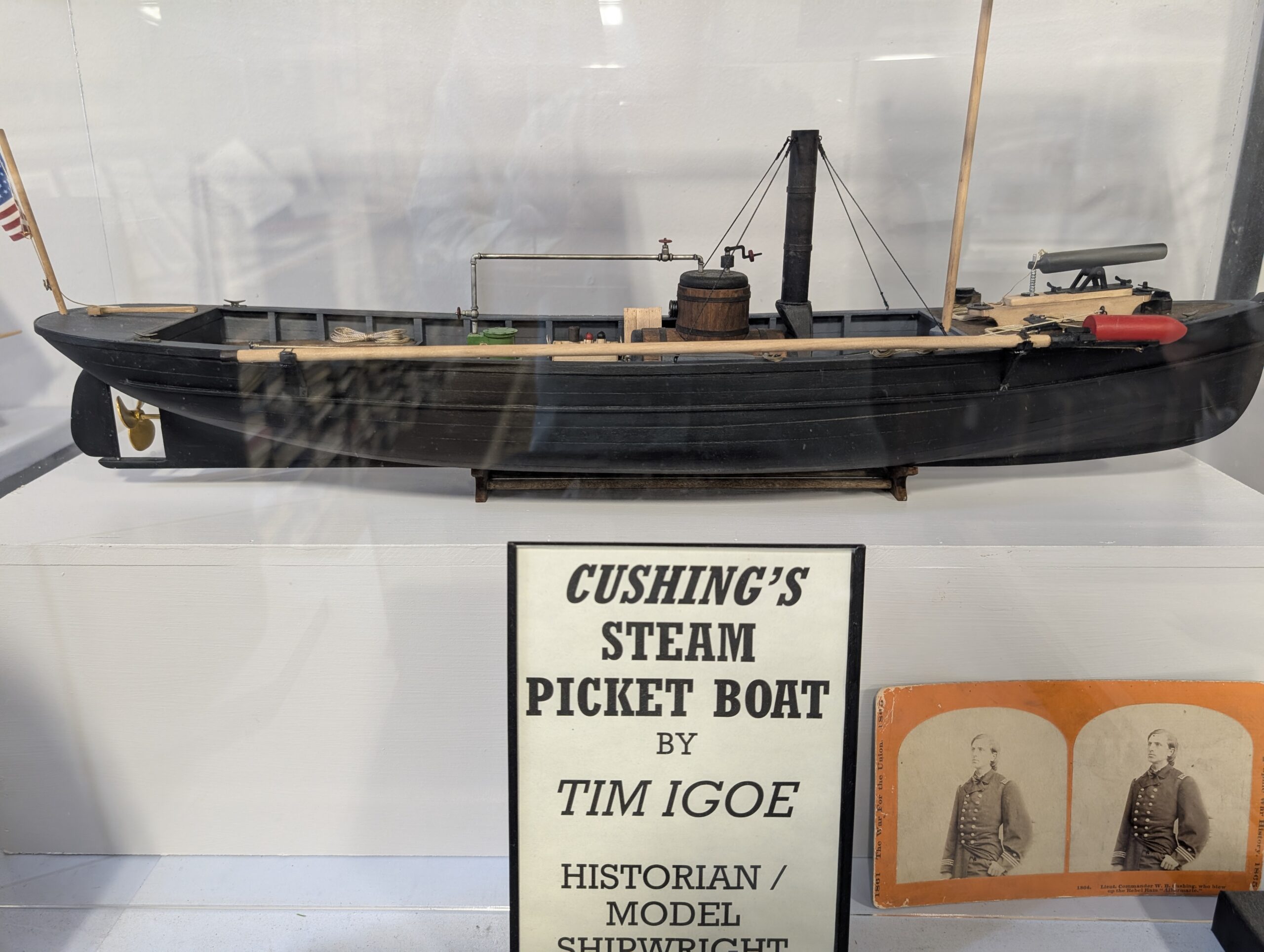
The American Civil War witnessed a constant evolution of naval tactics and technology. Among the most audacious acts of the conflict was the destruction of the Confederate ironclad CSS Albemarle. This feat was accomplished not by a grand fleet, but by a small, specialized vessel utilizing a then-novel weapon: the spar torpedo. A detailed model of one such craft, Cushing’s Steam Picket Boat, offers a tangible connection to this pivotal moment in naval history.
The Weapon of Surprise
The picket boat, though small at 48 feet, was a formidable tool in the right hands. Its primary armament was the spar torpedo, a sensitive explosive charge mounted on a long pole extending from the bow. This allowed the vessel to approach an enemy ship under cover of darkness, often using stealth and speed, and ram the charge against the hull. The subsequent detonation would inflict catastrophic damage. The model clearly illustrates this deadly appendage, alongside a cannon, hinting at the boat’s versatility.
The Night of October 27-28, 1864
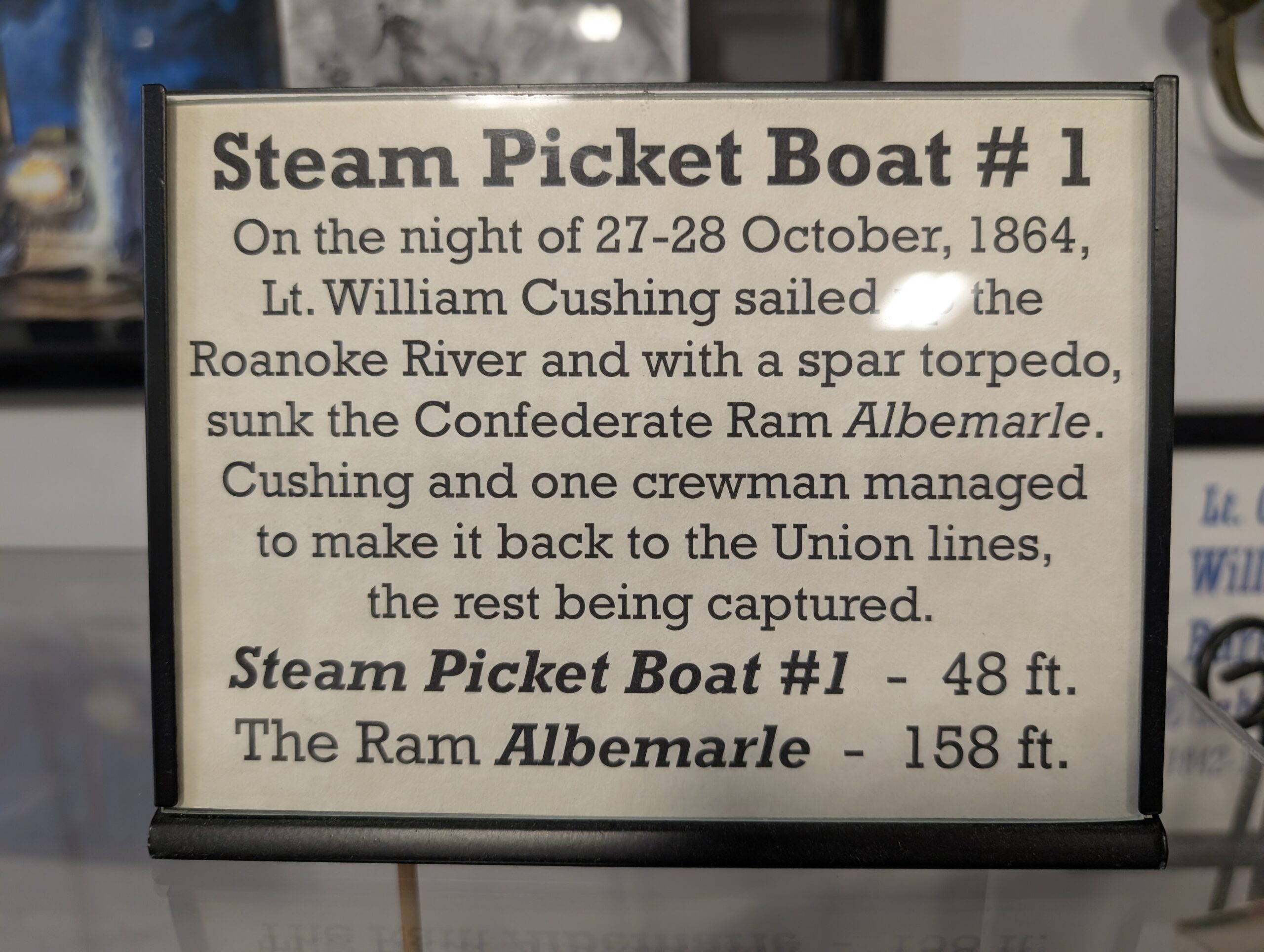
The culmination of this strategy occurred on the night of October 27-28, 1864. Lieutenant Commander William B. Cushing led a daring raid on the Confederate stronghold at Plymouth, North Carolina, targeting the formidable CSS Albemarle. While the Albemarle measured a substantial 158 feet, Cushing’s agile steam picket boat closed the distance. Employing a spar torpedo, Cushing’s vessel struck the ironclad, detonating the charge and sinking the powerful Confederate warship. This act dramatically altered the naval balance on the Roanoke River.
Beyond the Torpedo Boat
While Cushing’s raid is the most famous engagement involving these vessels, the steam picket boats served a broader role in the Union Navy. These versatile craft were essential for reconnaissance, patrolling waterways, and transporting personnel and supplies. The detailed model in the collection,
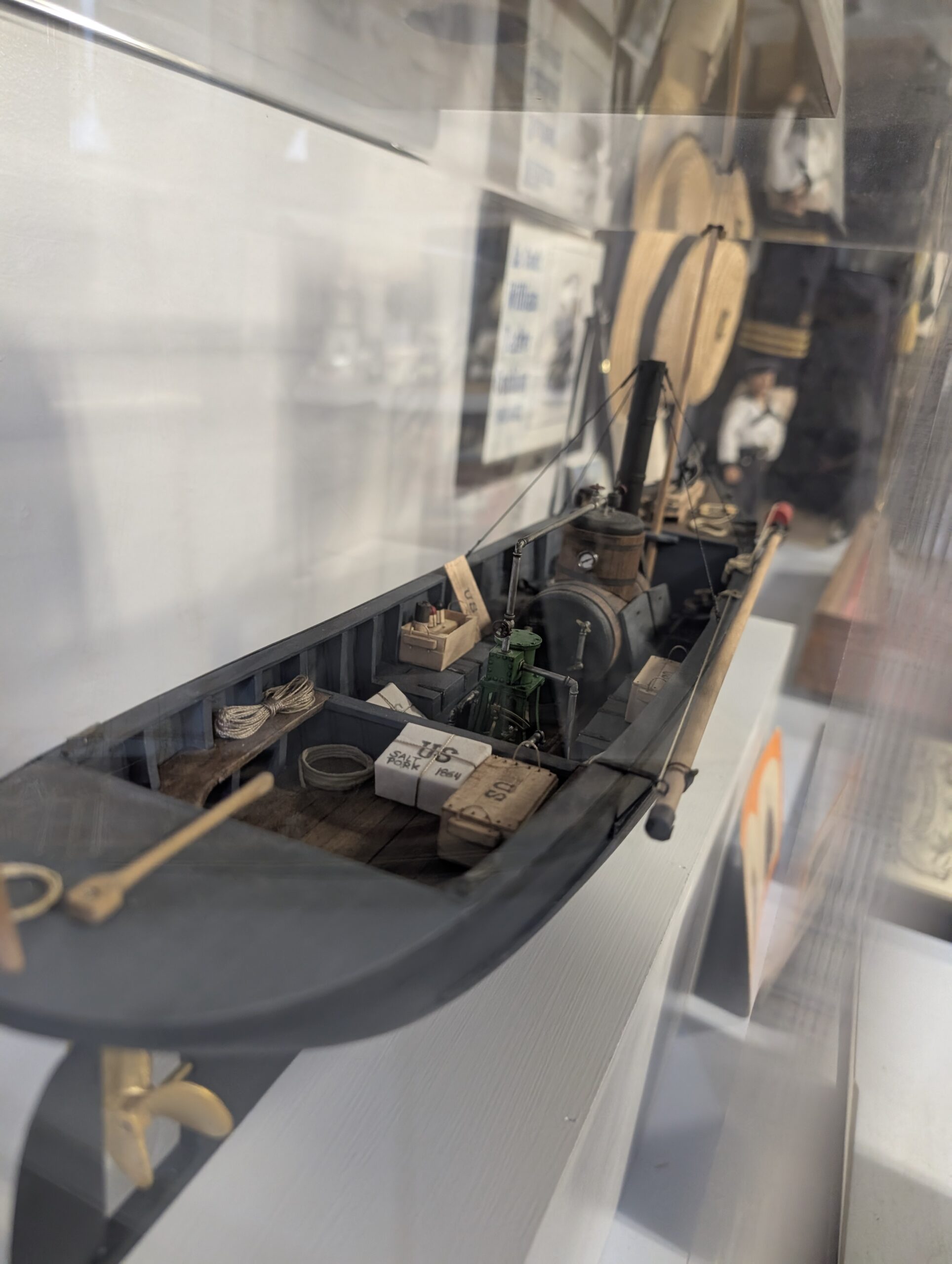
, showcases internal details like cargo crates marked ‘U.S.’ and ‘Salt Pork 1864,’ as well as rowing oars and an engine, highlighting their utility beyond direct combat. The intricate rigging and funnel of another naval model
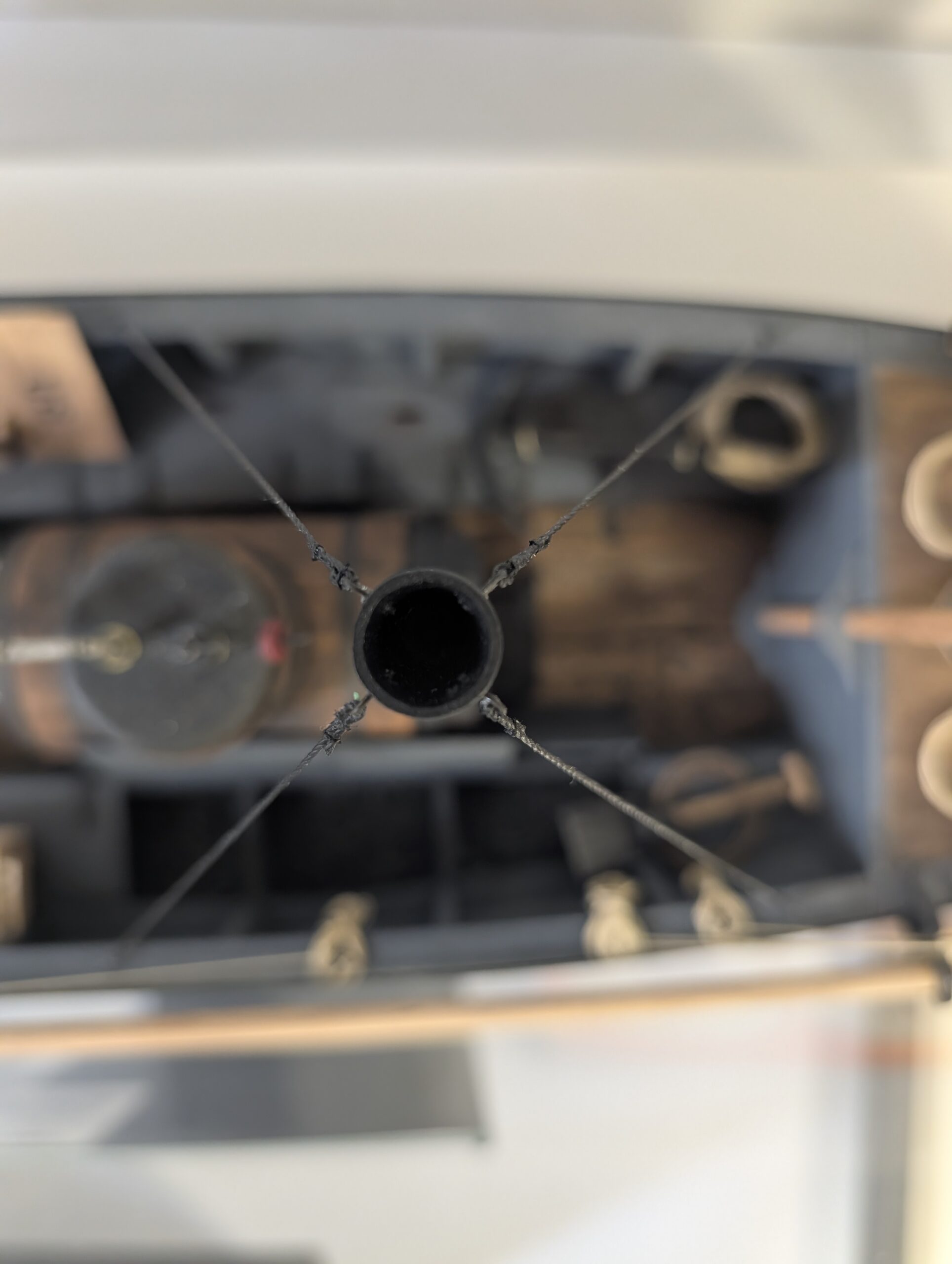
further underscore the engineering advancements of the era’s naval vessels.
The Man Behind the Mission
Lieutenant Commander William B. Cushing himself became a naval hero for his audacious attack. His portrait, preserved on a stereoscopic card from the period titled ‘1861 The War For the Union, 1865,’
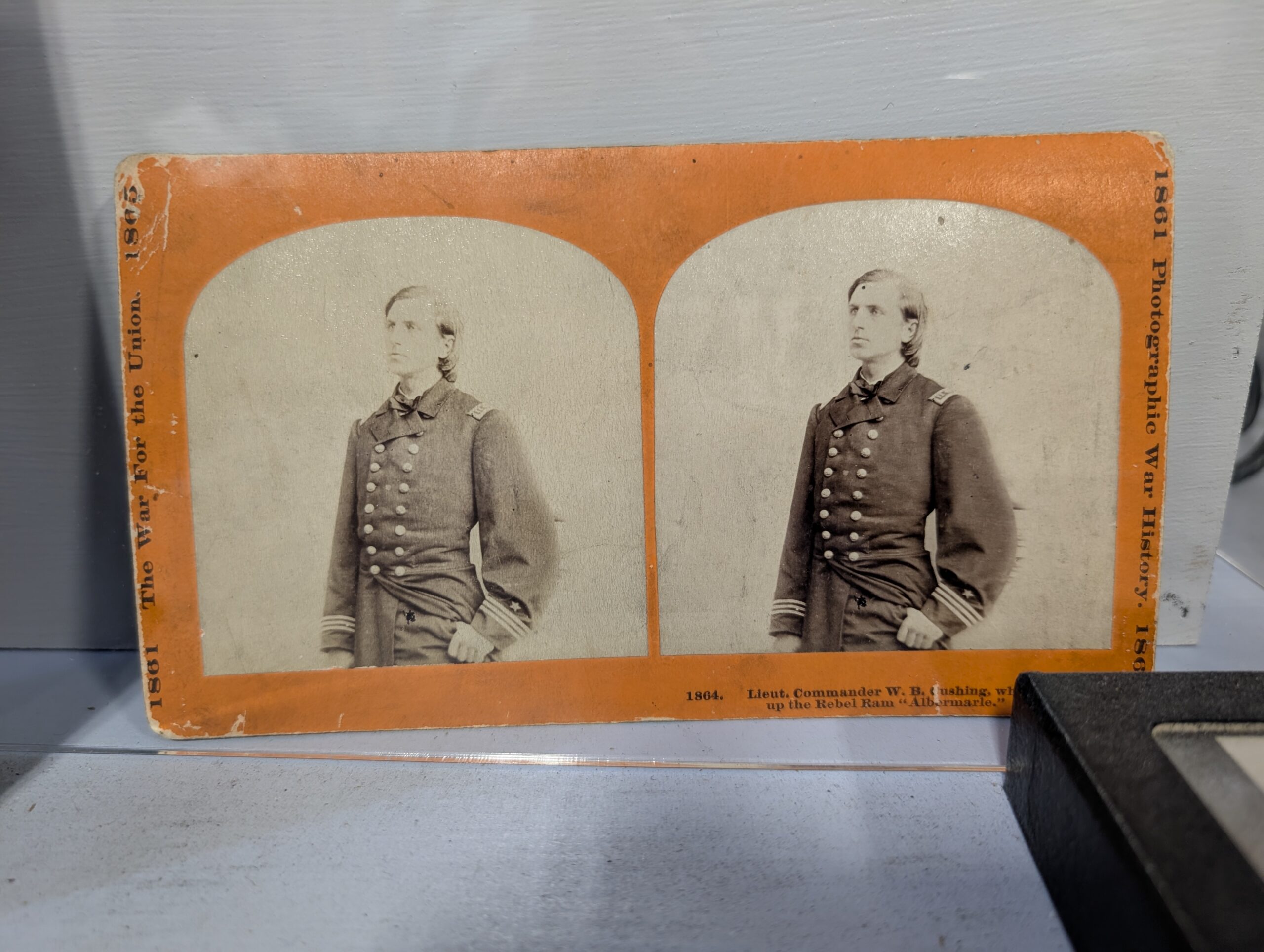
captures the determined visage of a young officer who achieved a significant victory against overwhelming odds. Cushing’s success demonstrated the effectiveness of innovation and courage in the face of a technologically evolving conflict.
#CivilWar #NavalHistory #Cushing #Albemarle #USNavy #MilitaryHistory #MaritimeHistory #UnionNavy #ConfederateNavy #SteamPicketBoat