
The study of naval history is greatly enhanced by the meticulous craftsmanship found in scale model ships. These detailed replicas serve not merely as decorative pieces but as invaluable educational tools, preserving the intricate designs and historical significance of vessels that once commanded the world’s oceans. This collection offers a comprehensive overview of naval evolution, from the age of sail to modern supercarriers, each model a testament to the advancements in maritime engineering and warfare.
The Age of Sail: Precision and Power
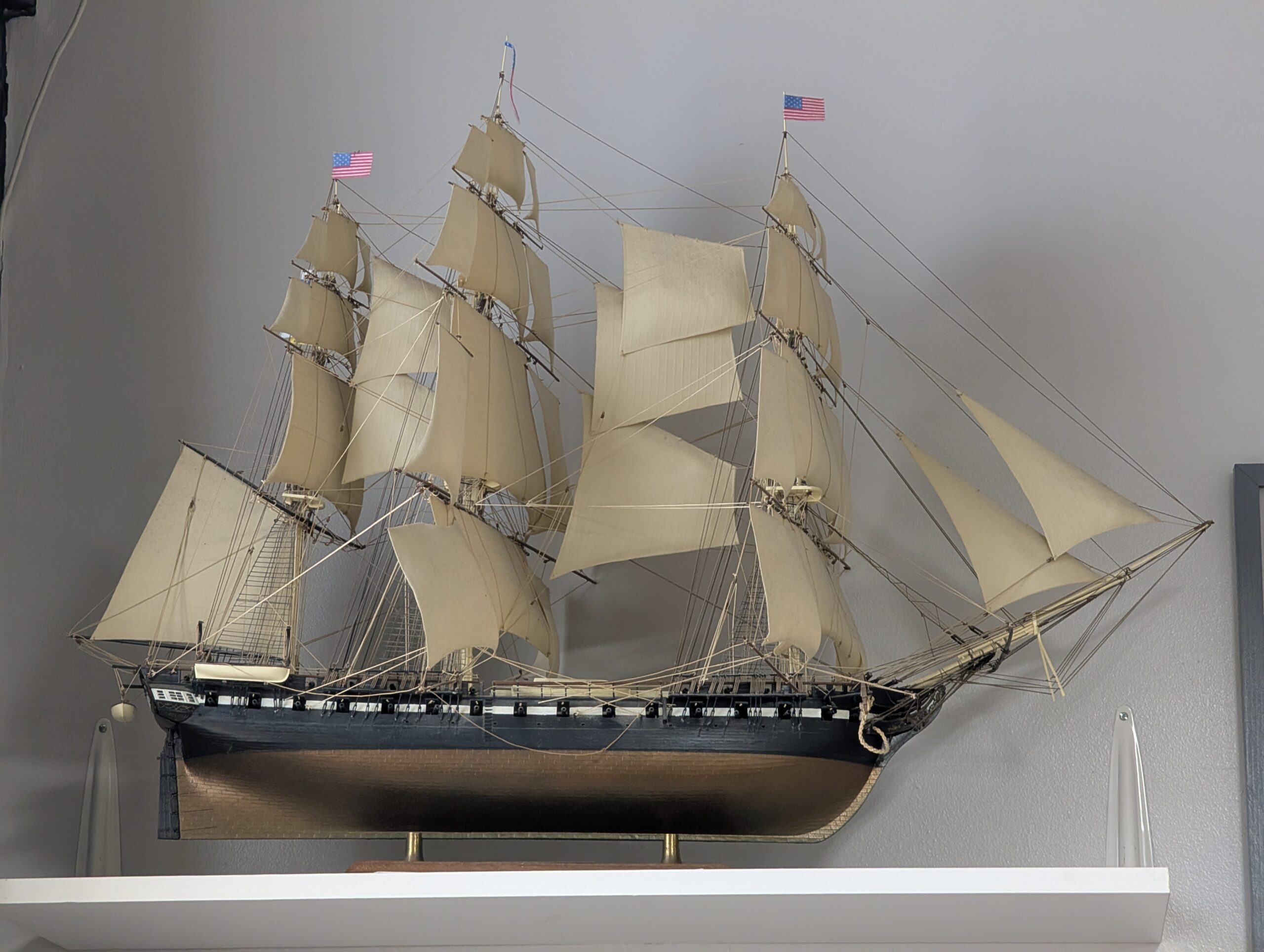
The foundational era of naval power is frequently represented by sailing frigates, vessels that combined speed, maneuverability, and significant firepower for their time. Models such as the 19th-century United States Navy frigate, with its detailed rigging and full sails, provide insight into the complexities of pre-steam naval architecture.
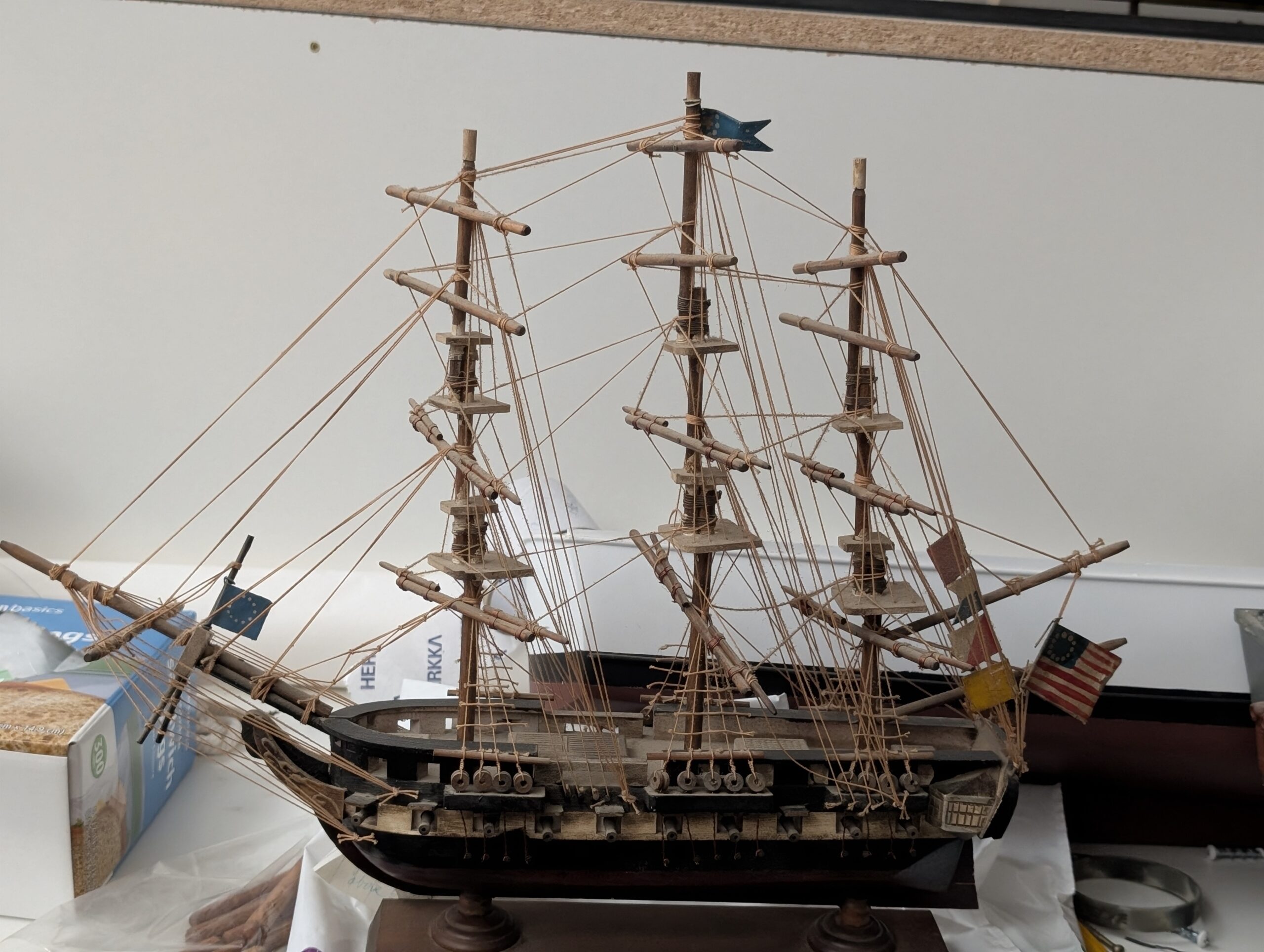
Another wooden model of an 18th or 19th-century sailing frigate, complete with intricate rigging and miniature flags, including an early American flag, further illustrates the beauty and functionality of these historical warships.
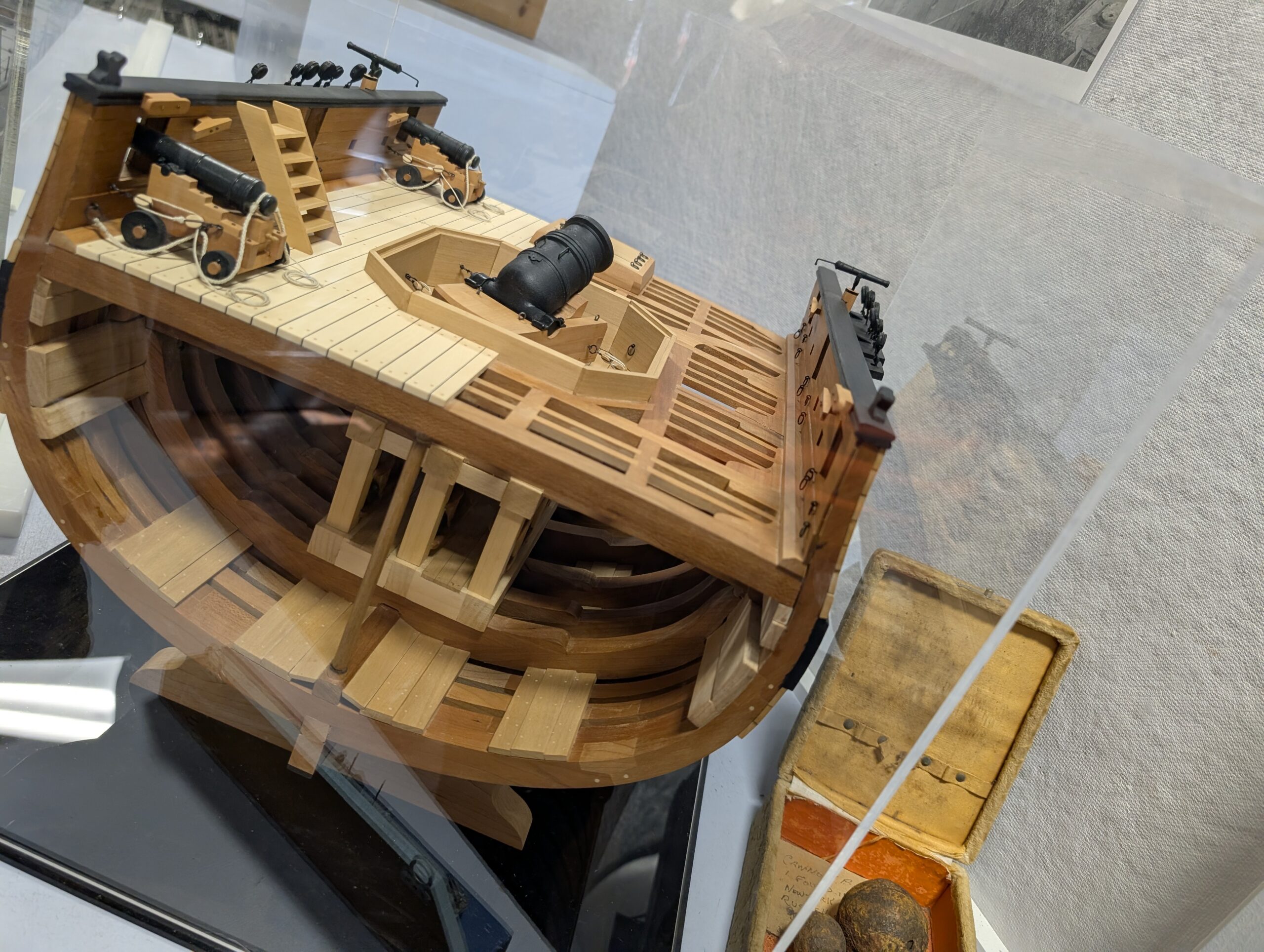
The deck of an 18th-century naval vessel, featuring functioning replica cannons, wooden ladders, and cannonballs, highlights the operational aspects of these early fighting ships.
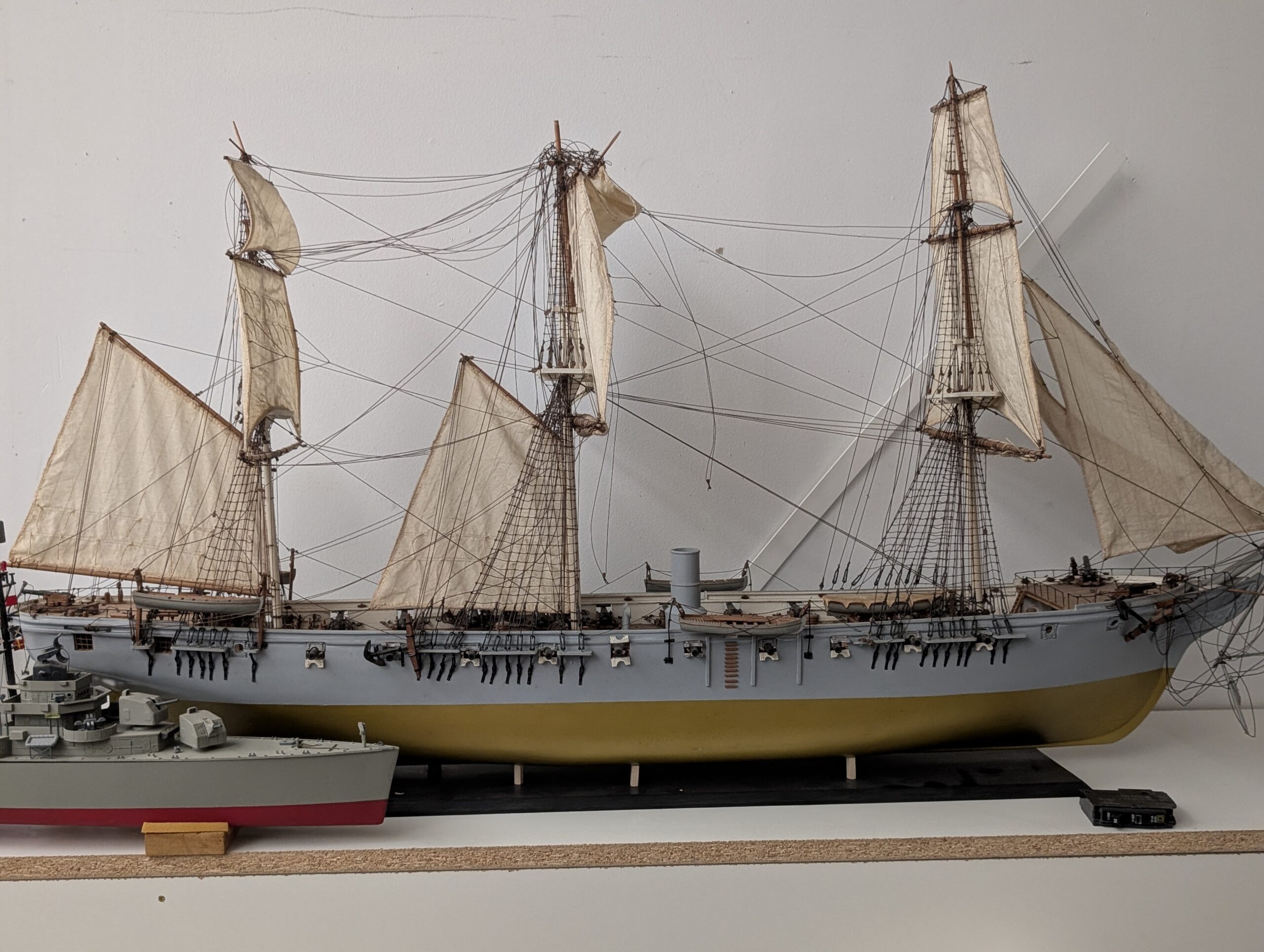
A detailed model of a 19th-century sailing frigate positioned alongside a modern destroyer model starkly illustrates the technological chasm crossed in naval design.
From Wood to Iron: A Revolutionary Shift
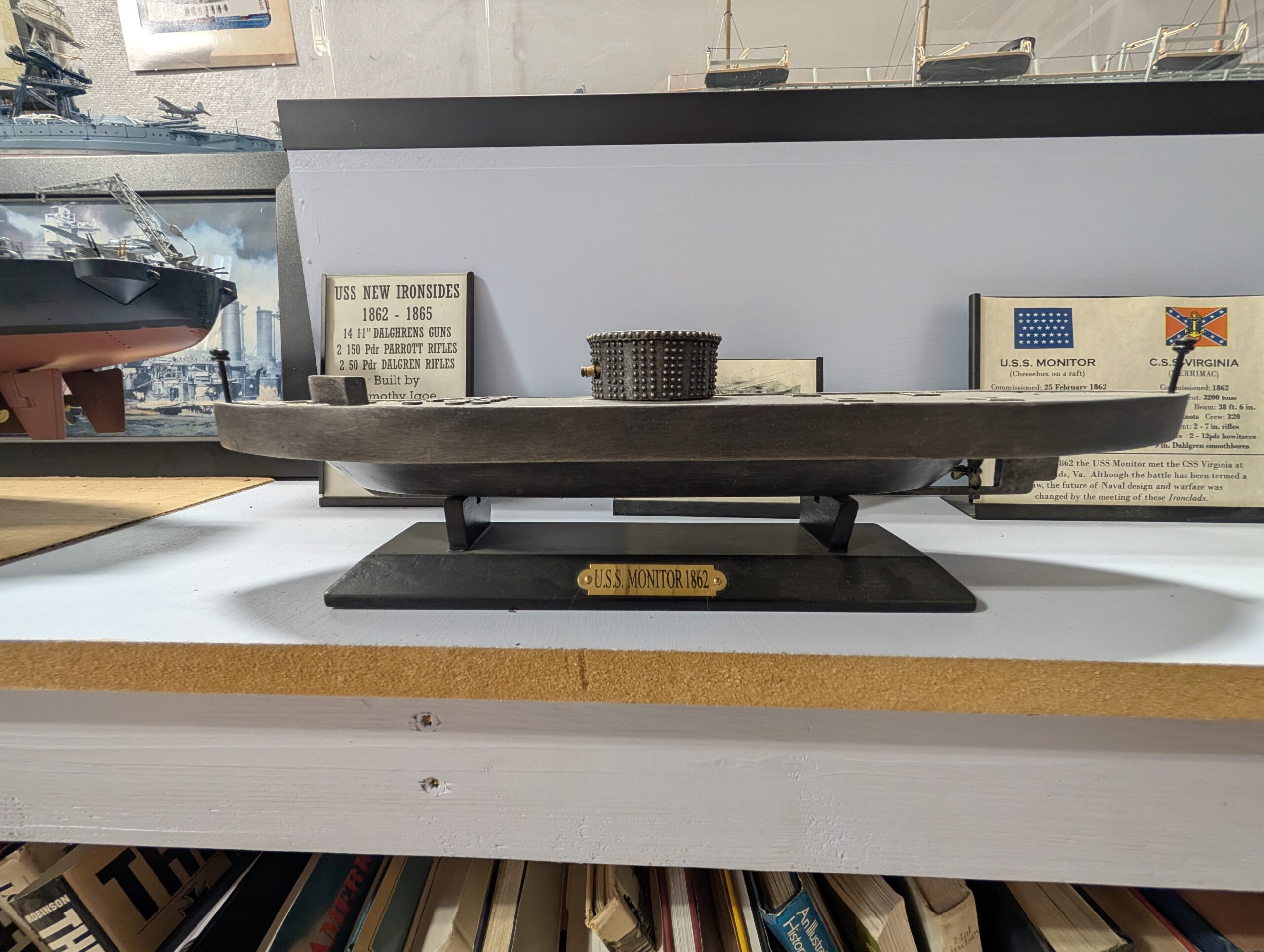
The American Civil War marked a pivotal moment in naval warfare with the introduction of ironclad ships, irrevocably changing maritime combat. The pioneering USS Monitor, famous for its engagement with the CSS Virginia, is meticulously replicated, showcasing its revolutionary design.
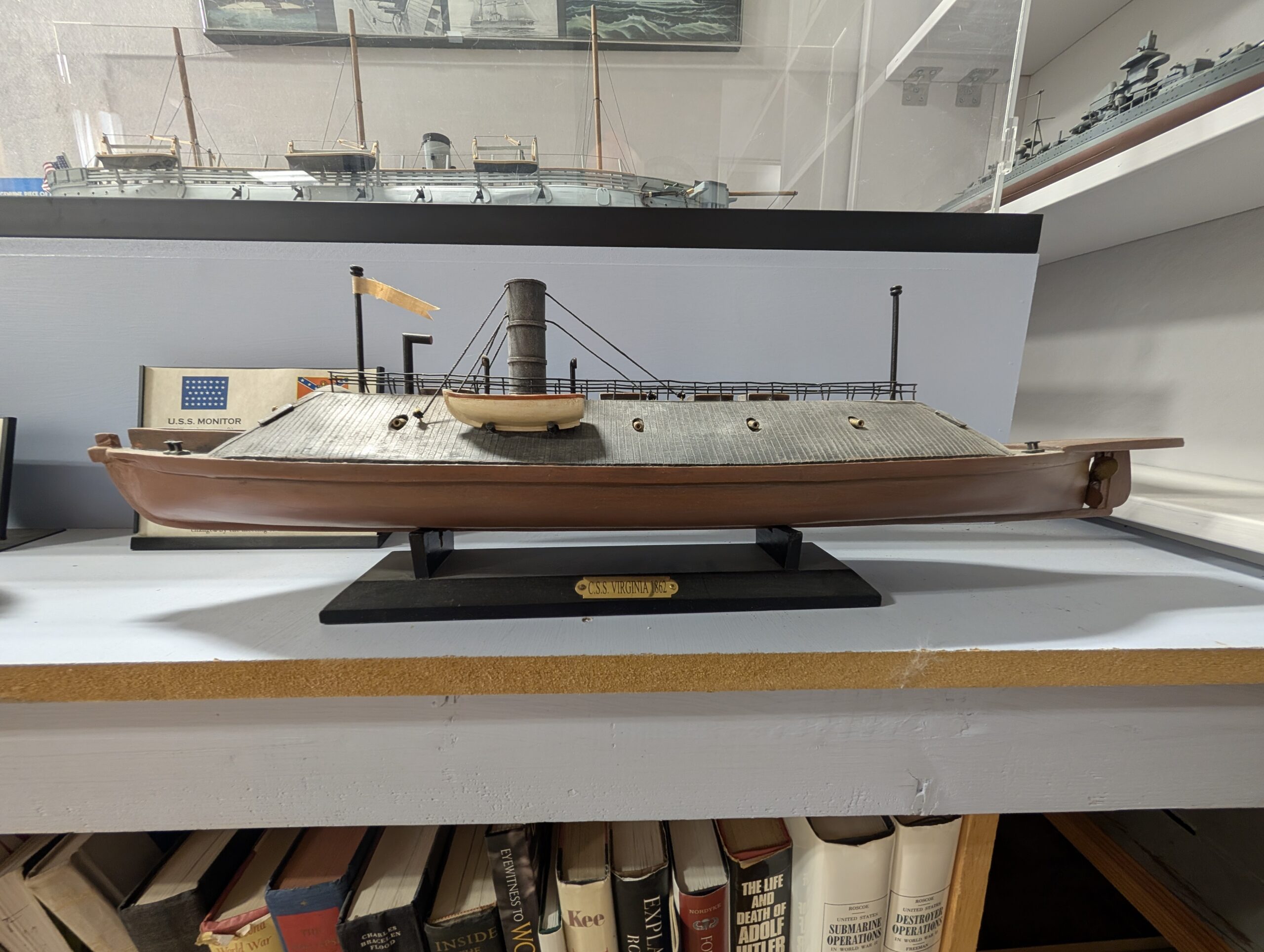
The formidable CSS Virginia (originally USS Merrimack), also represented in this collection, stands as a symbol of this transformative period. The Battle of Hampton Roads, where these two ironclads first clashed, ushered in the era of armored warships.
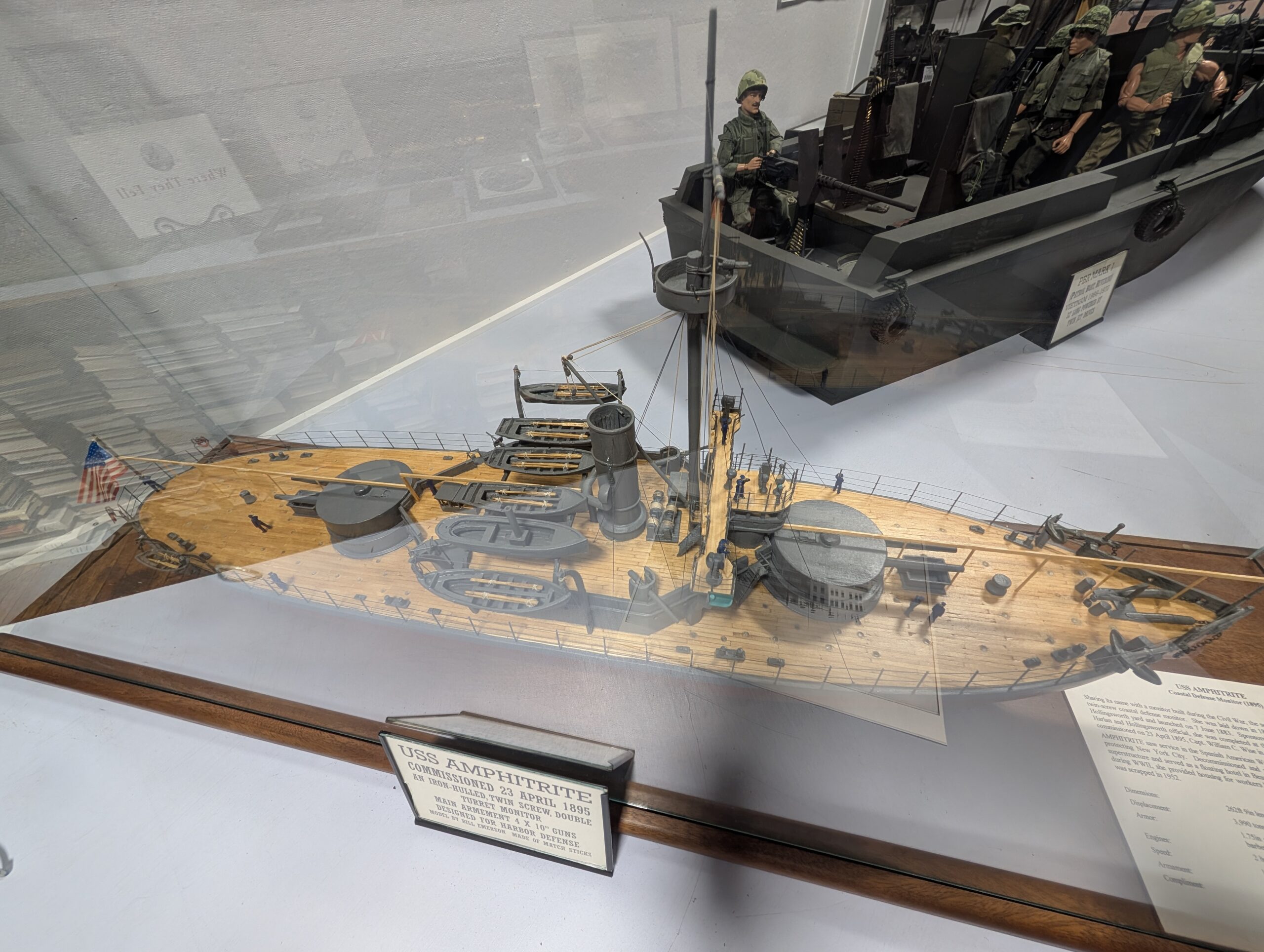
This shift continued with vessels like the USS Amphitrite, an iron-hulled coastal defense monitor commissioned in 1895, designed for harbor defense and serving during the Spanish-American War.
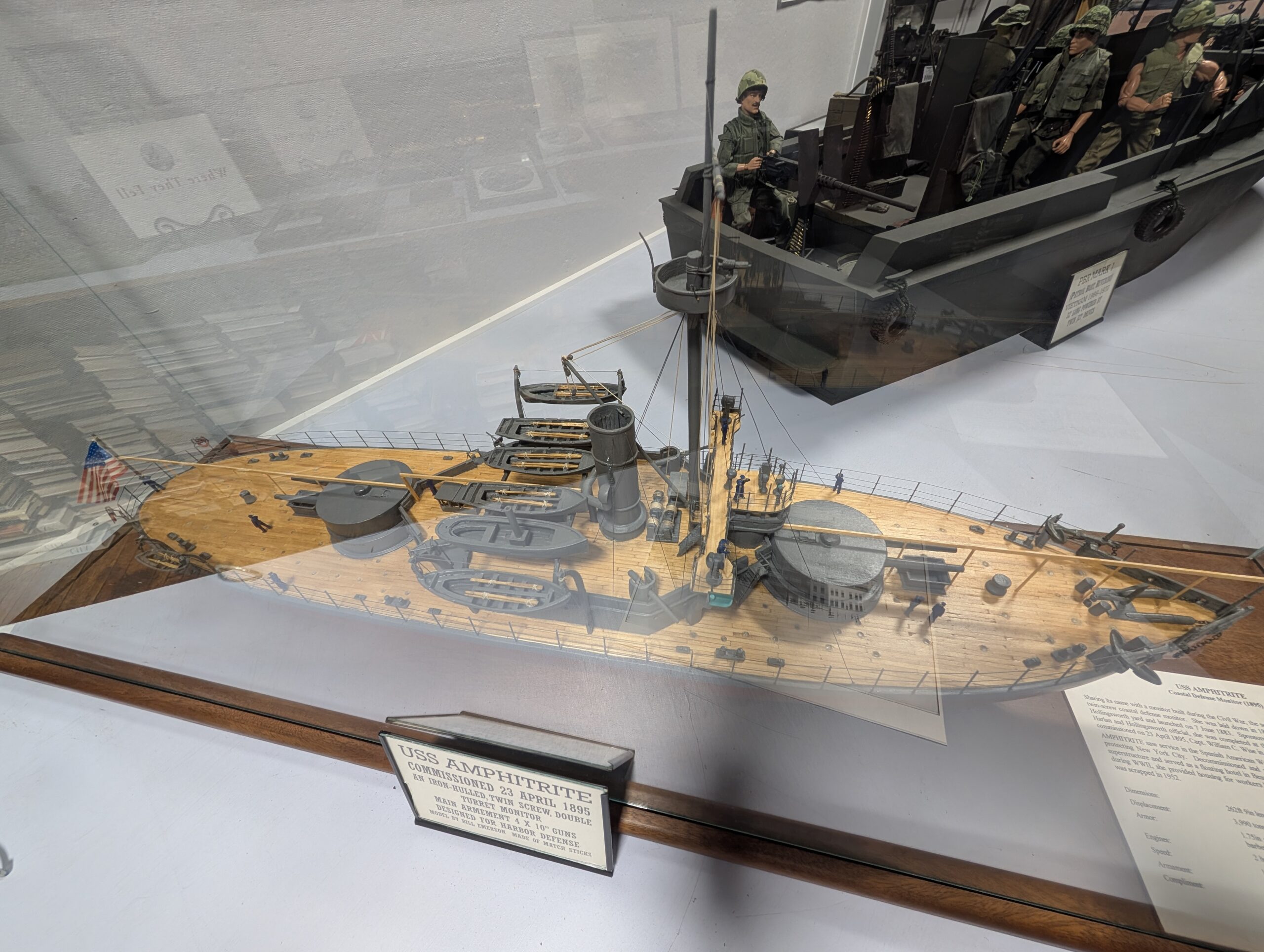
Another rendering of the USS Amphitrite, constructed from matchsticks by Bill Emerson, emphasizes the diverse artistry in model building while documenting this important class of vessel.
The Dawn of Modern Navies: Speed and Firepower
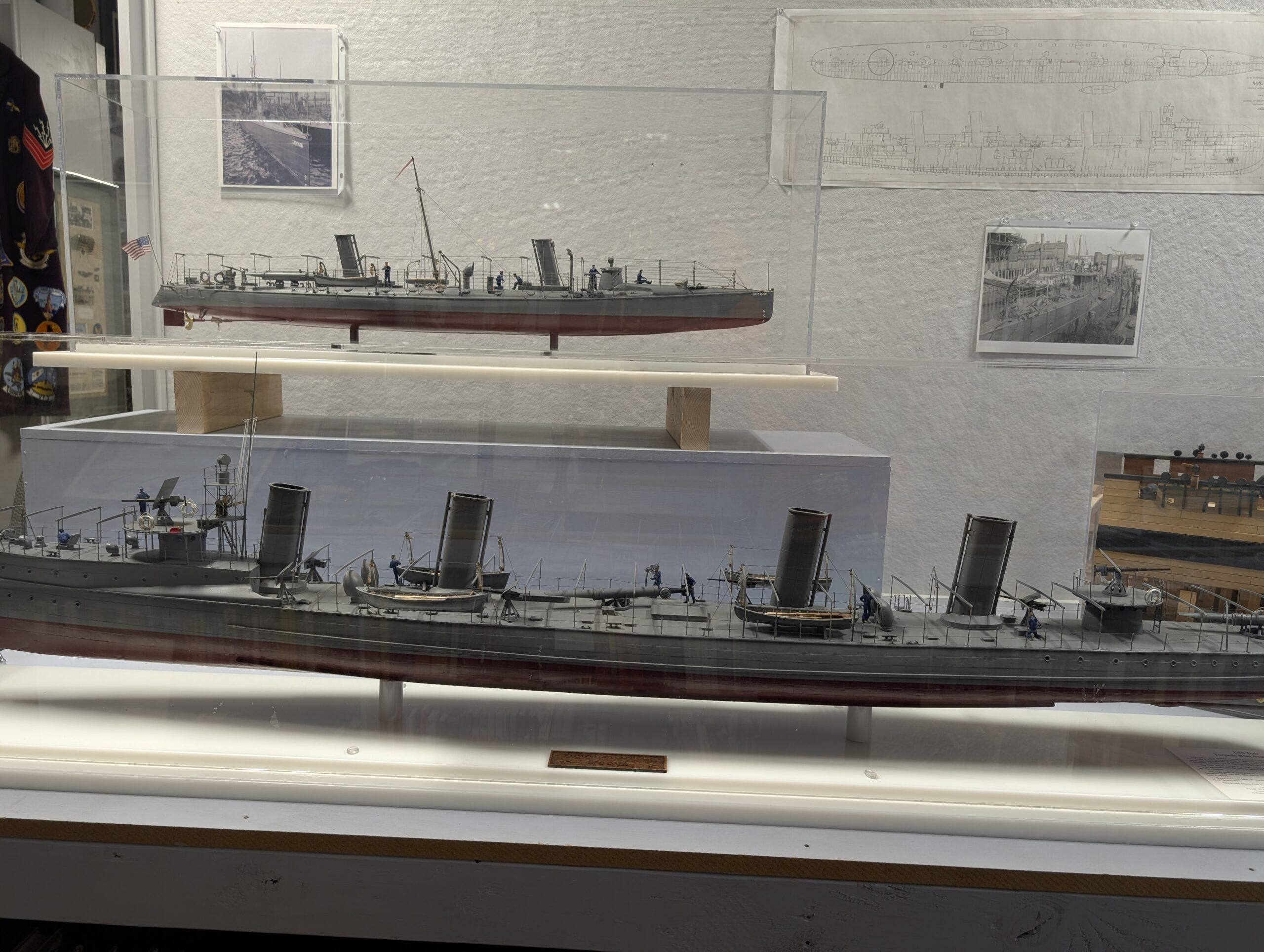
The late 19th and early 20th centuries saw rapid innovation in naval design, focusing on increased speed and firepower. Early U.S. Navy torpedo boats or destroyers, such as the USS Dale (TB-8) with its distinctive four funnels, represent the evolution towards more agile and offensive naval units.
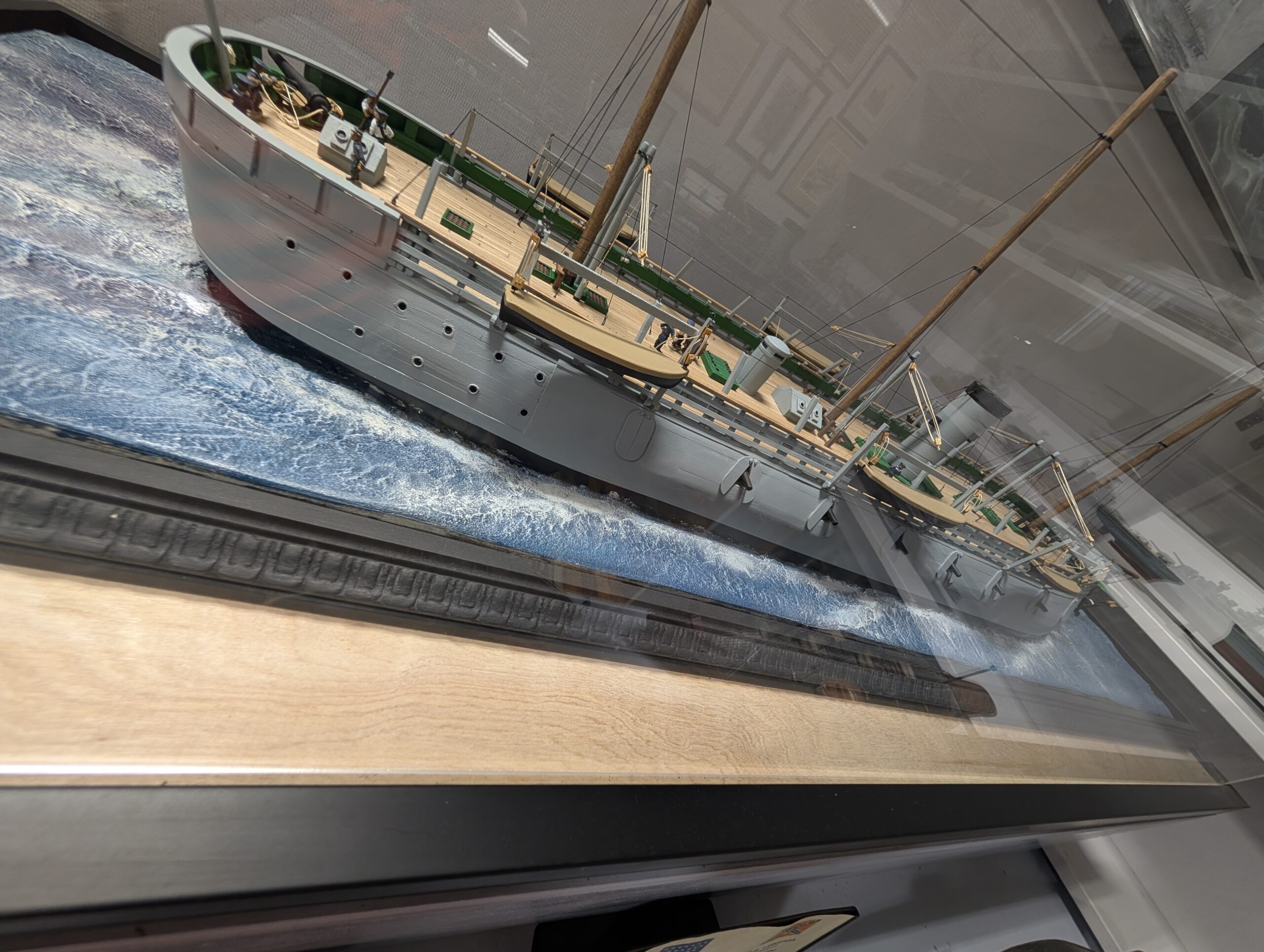
A scale model of a late 19th or early 20th-century warship, possibly a protected cruiser, displayed on a diorama depicting rough seas, captures the imposing presence of these early steel-hulled combatants.
World Wars and Beyond: Global Naval Dominance
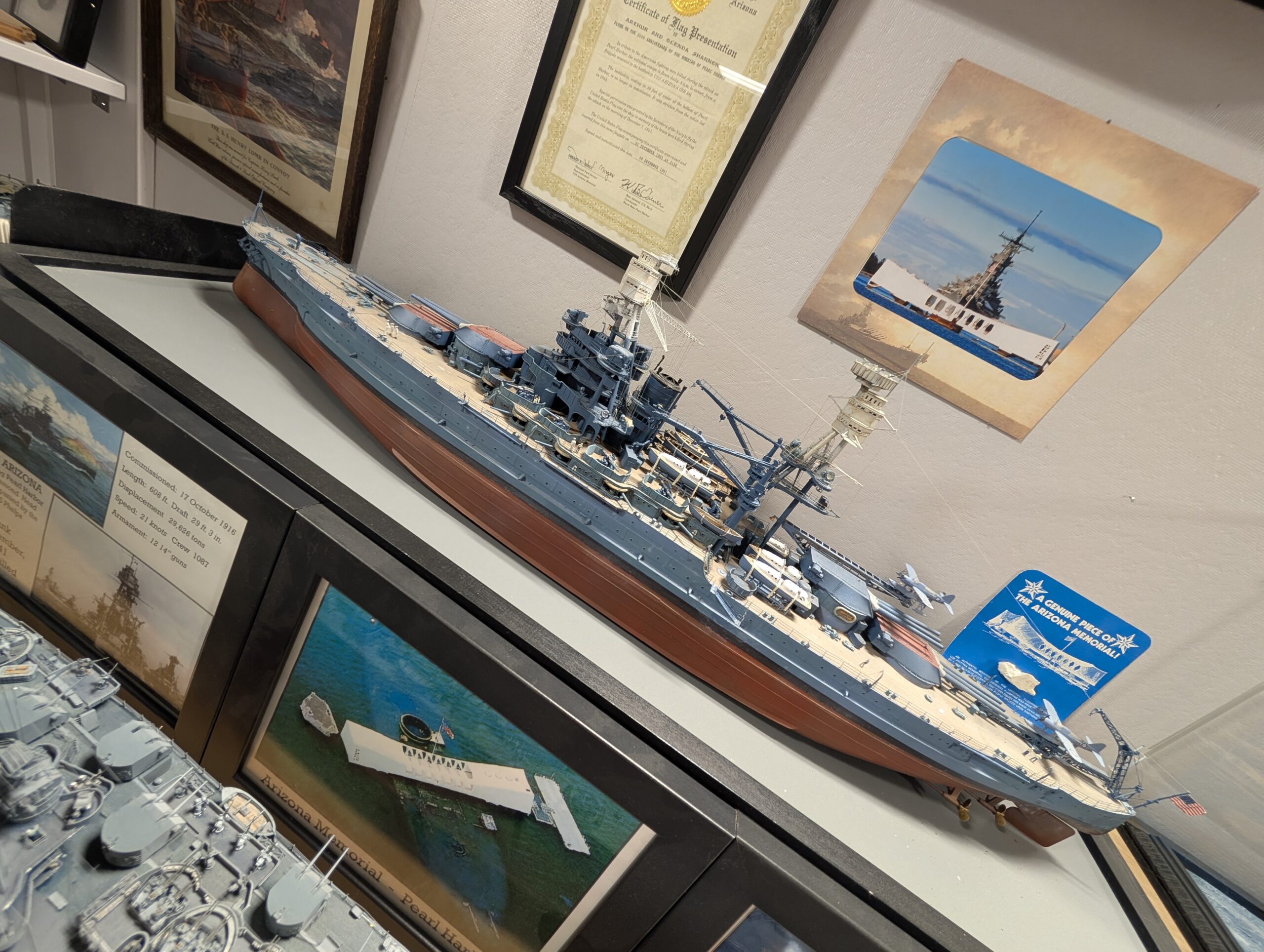
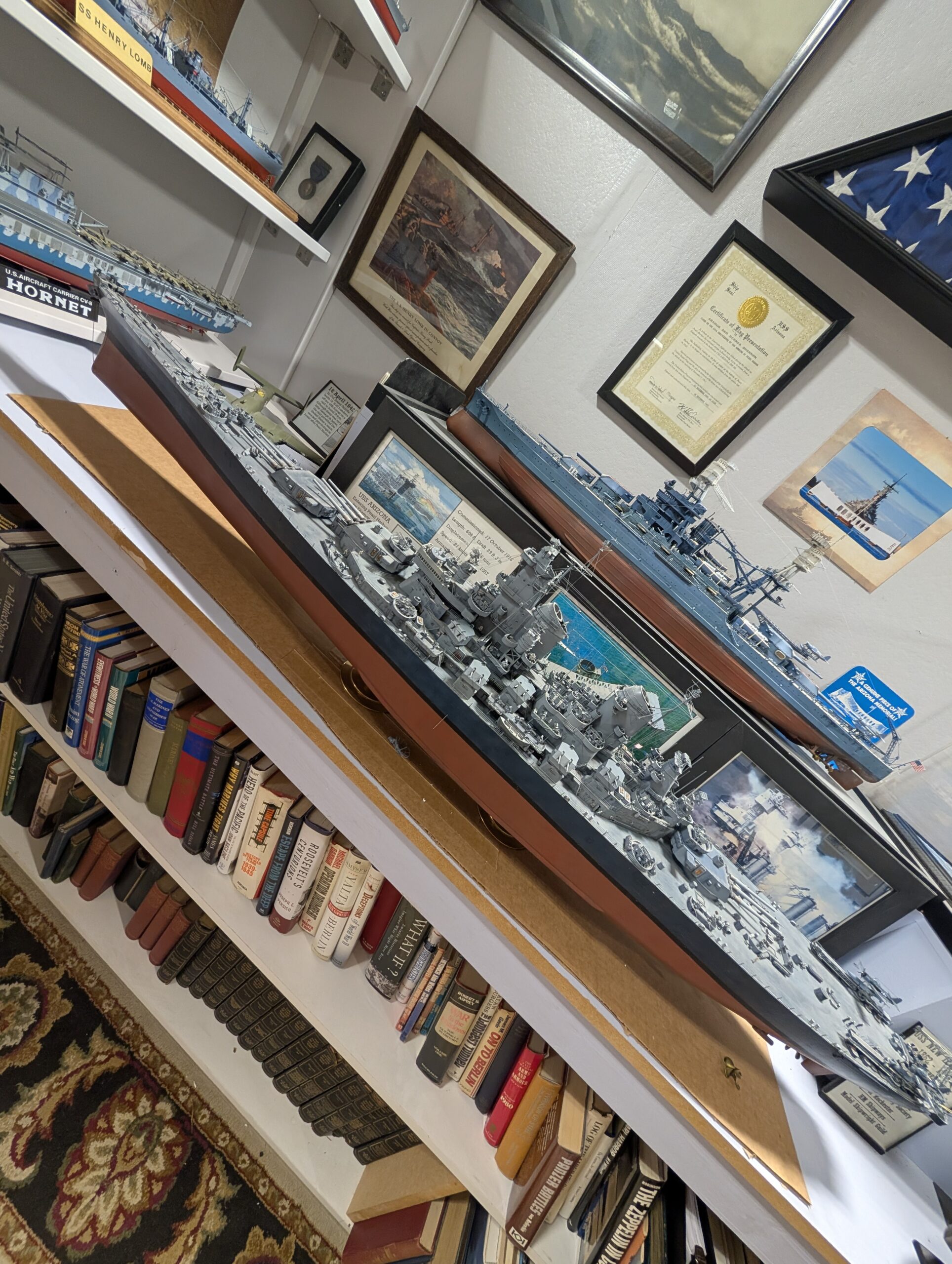
The 20th century witnessed unprecedented expansion in naval capabilities, particularly during the World Wars. Battleships like the USS Arizona (BB-39), tragically sunk at Pearl Harbor, are represented with poignant historical context.
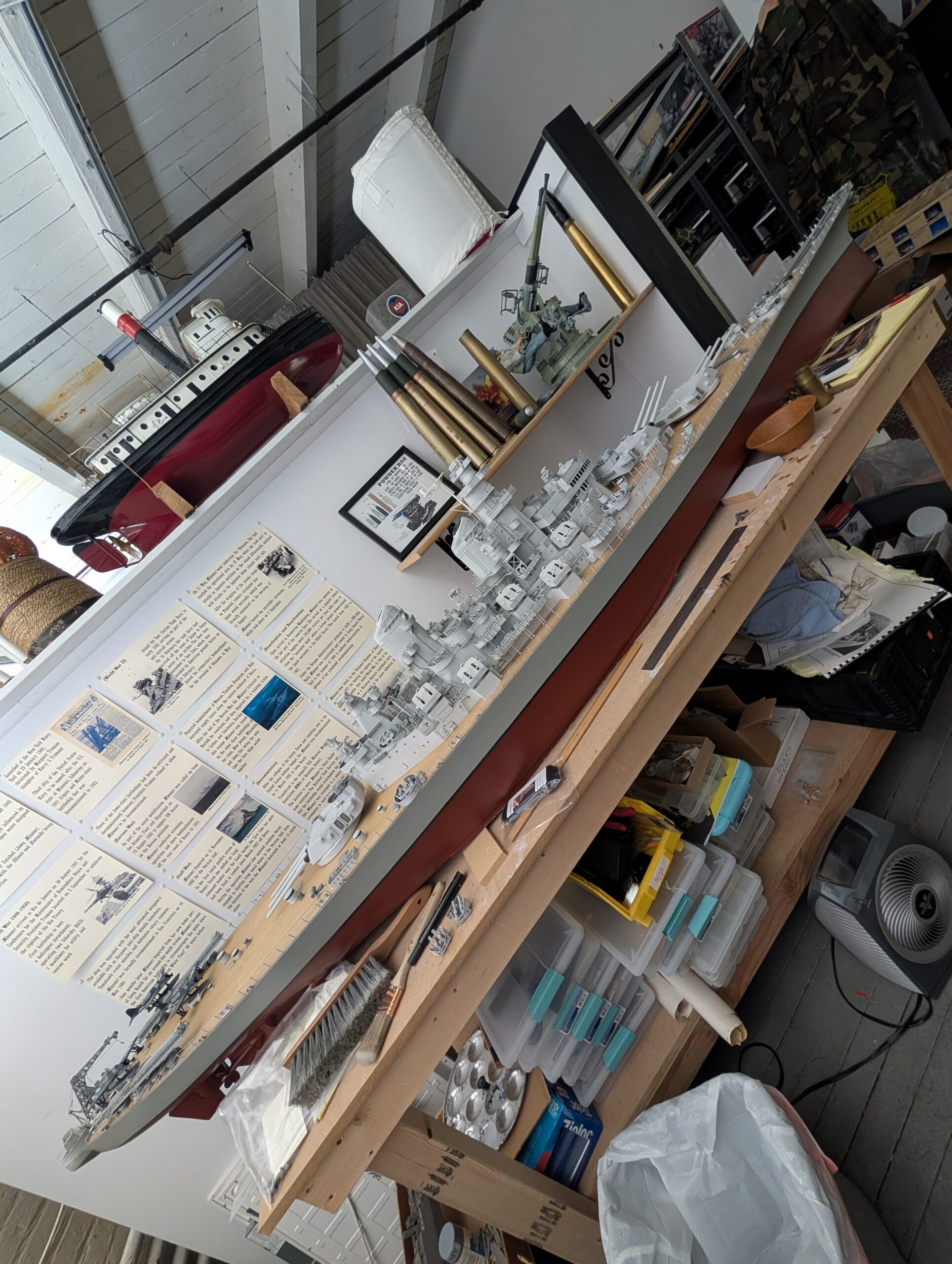
The USS Missouri (BB-63), an Iowa-class battleship, is meticulously recreated, highlighting its significant service through World War II, the Korean War, and the Persian Gulf War.
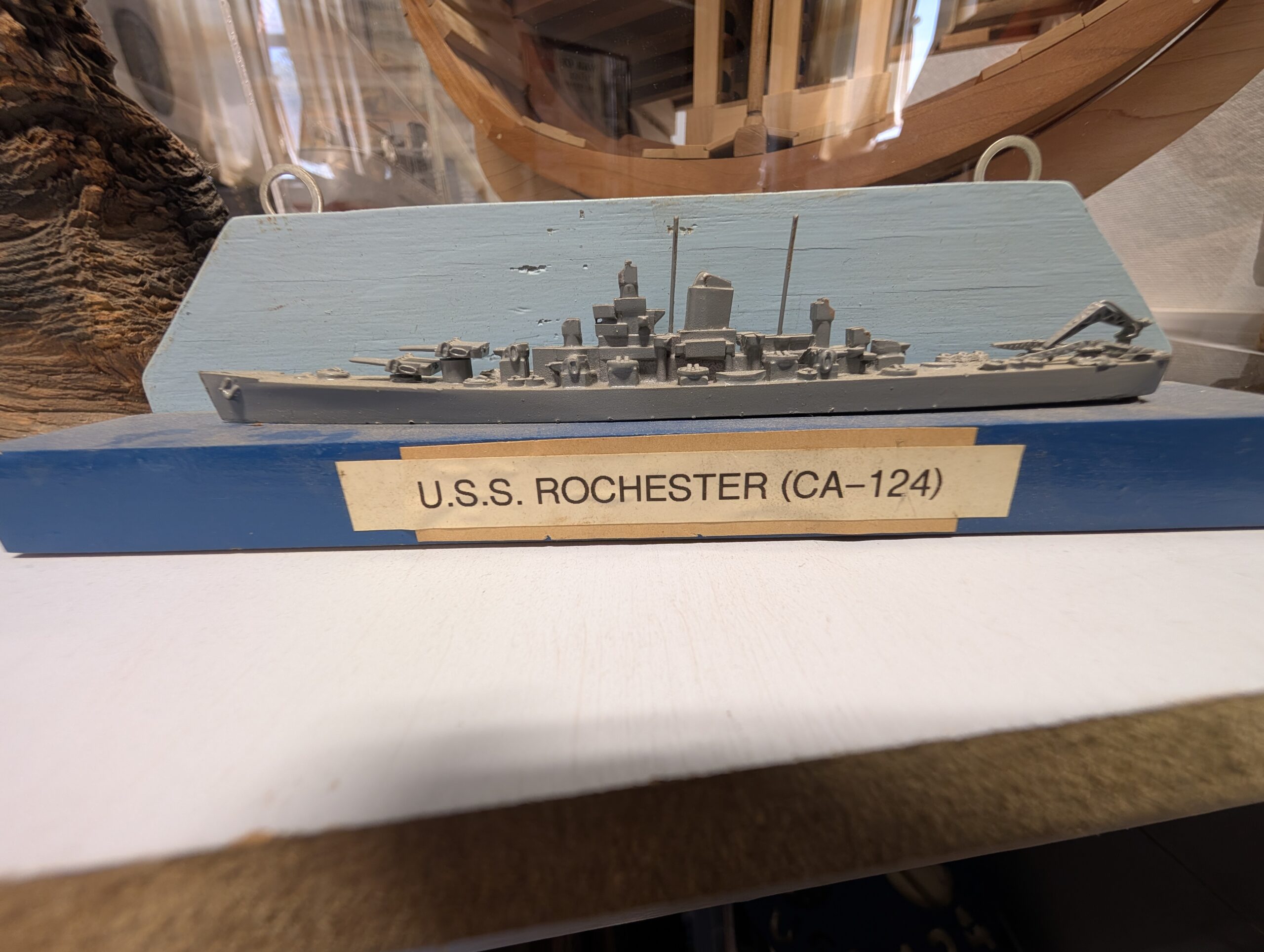
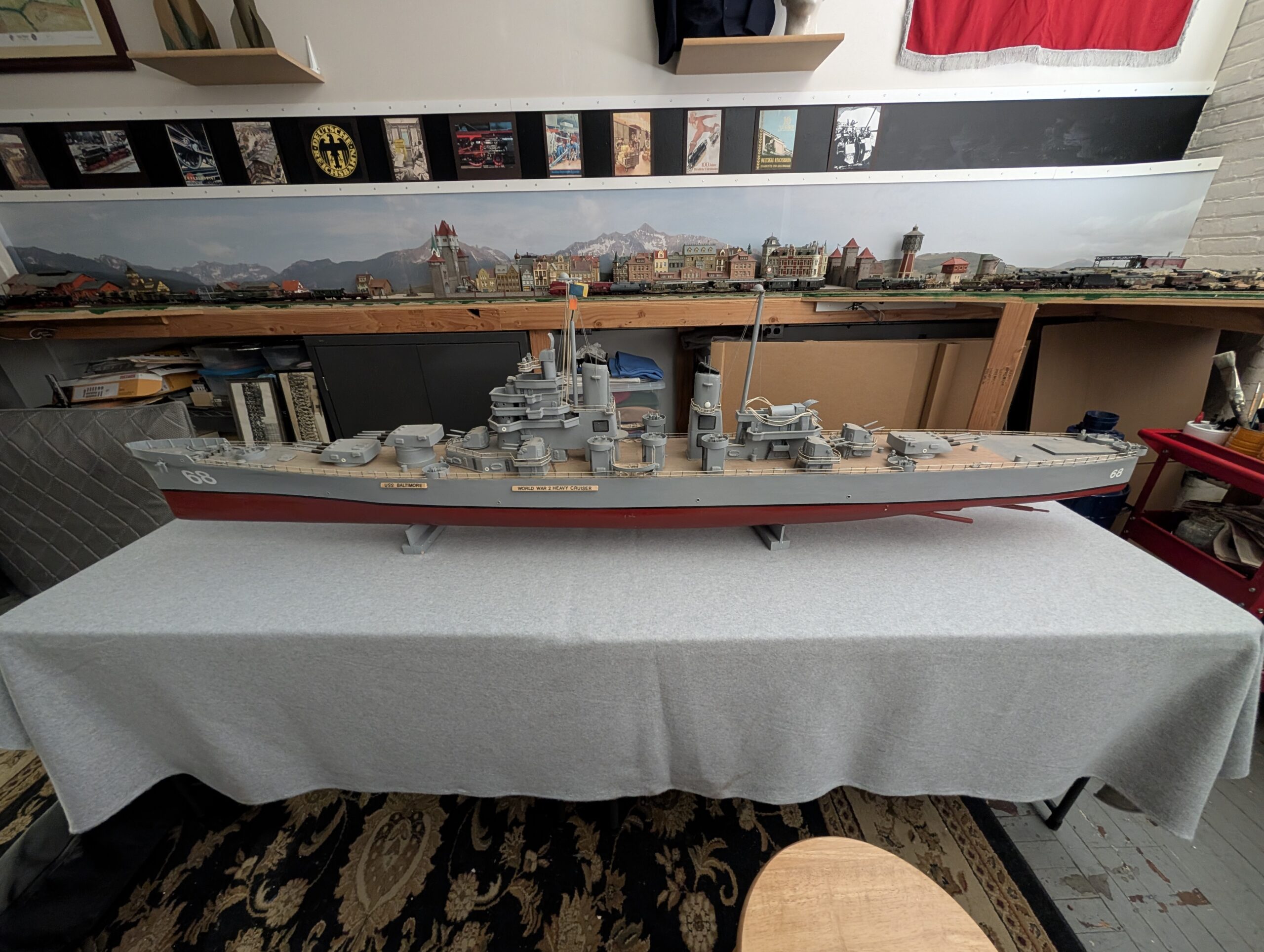
Heavy cruisers such as the USS Rochester (CA-124) and the USS Baltimore (CA-68) showcase the multi-turreted designs characteristic of their era, serving vital roles in global conflicts.
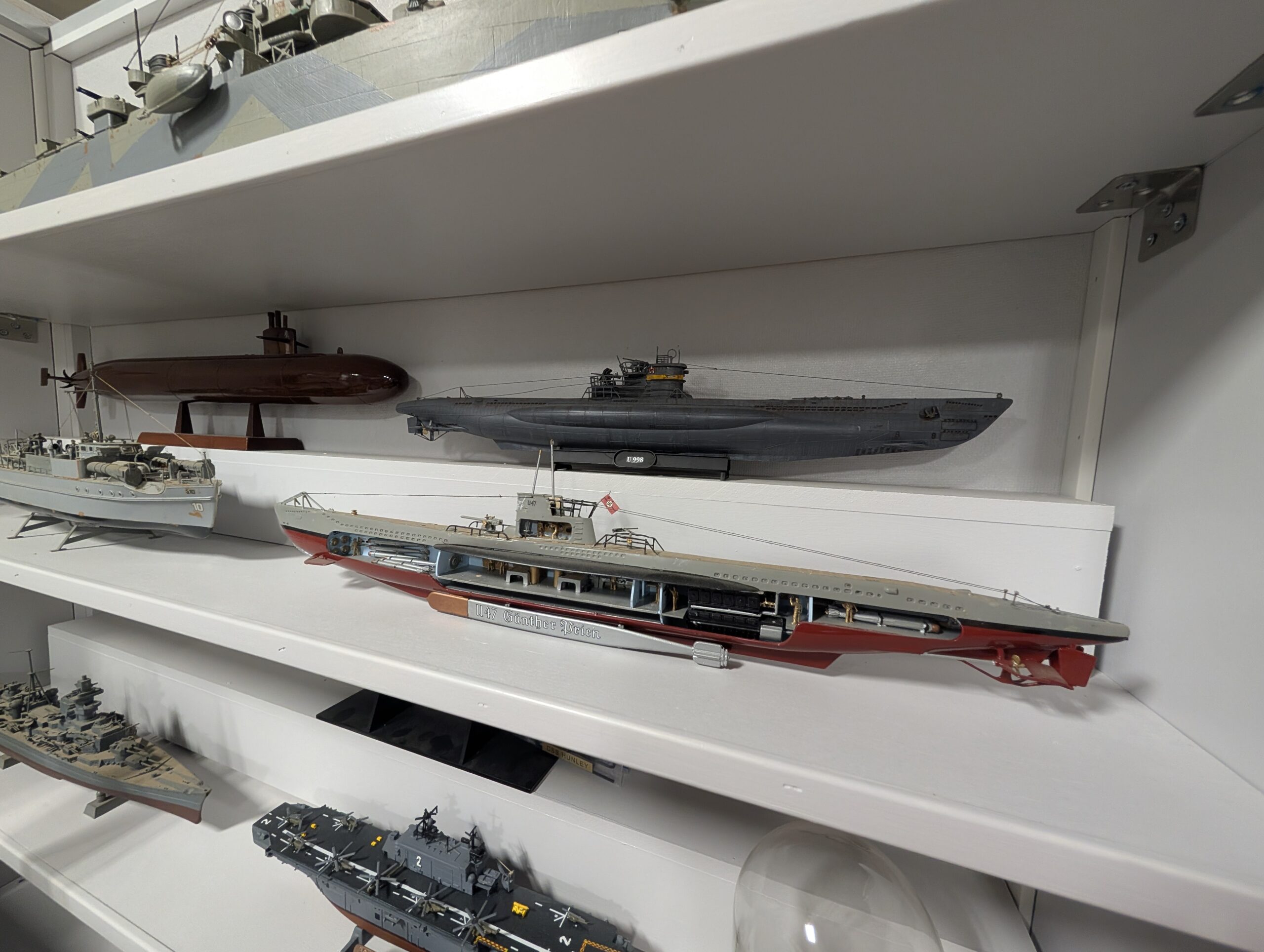
Submarine warfare, epitomized by World War II German U-boats, is also featured, including a cutaway model of U-47 ‘Günther Prien’, illustrating the stealth and strategic importance of underwater vessels.
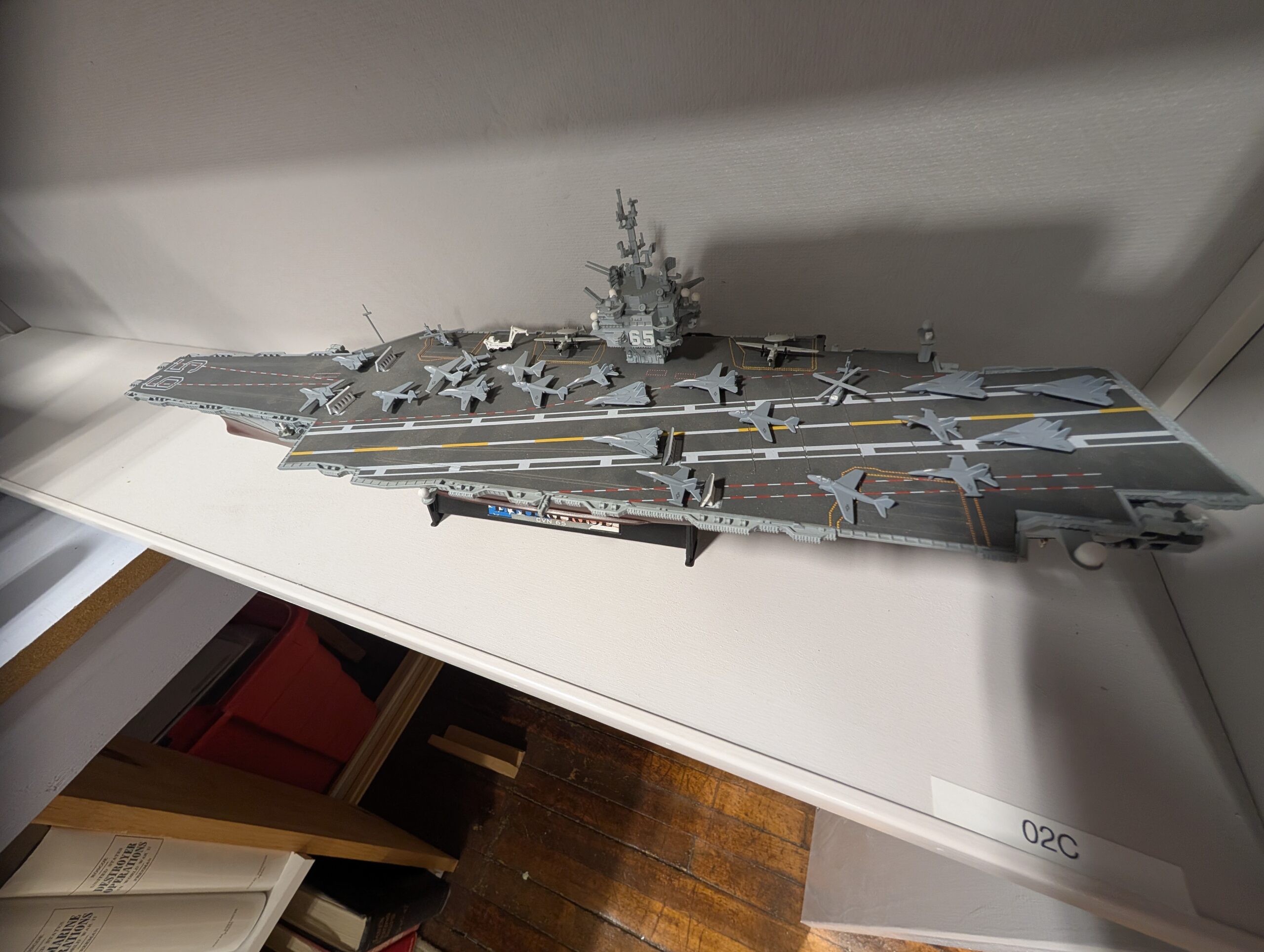
Naval aviation transformed warfare, with carriers like the USS Enterprise (CVN-65) displayed with its full air wing, illustrating the power projection capabilities of modern navies.
The USS Hornet aircraft carrier is also part of a comprehensive military history collection, alongside other significant vessels.
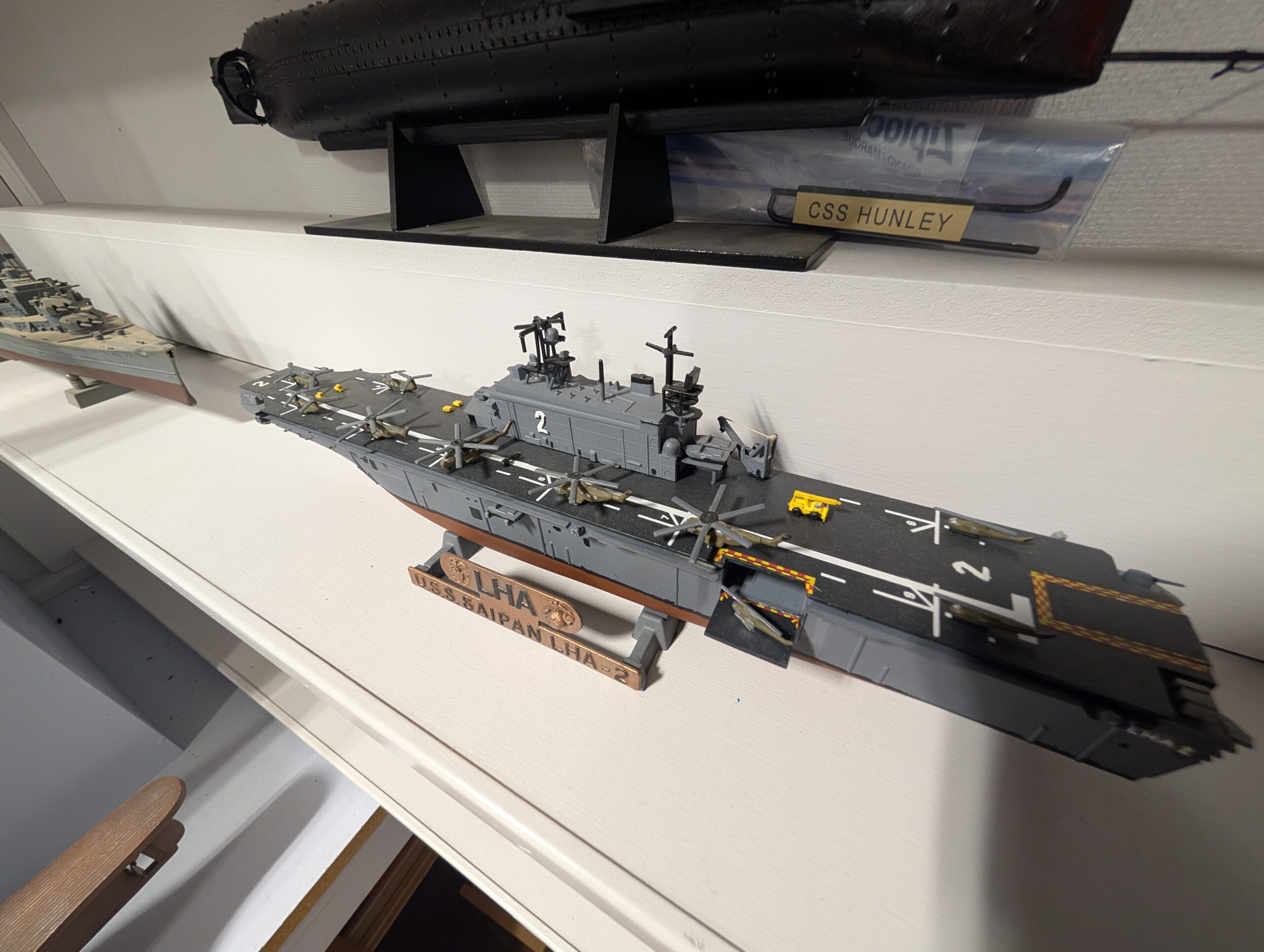
Amphibious assault ships, like the USS Saipan (LHA-2), demonstrate the capacity for projecting ground forces from the sea.
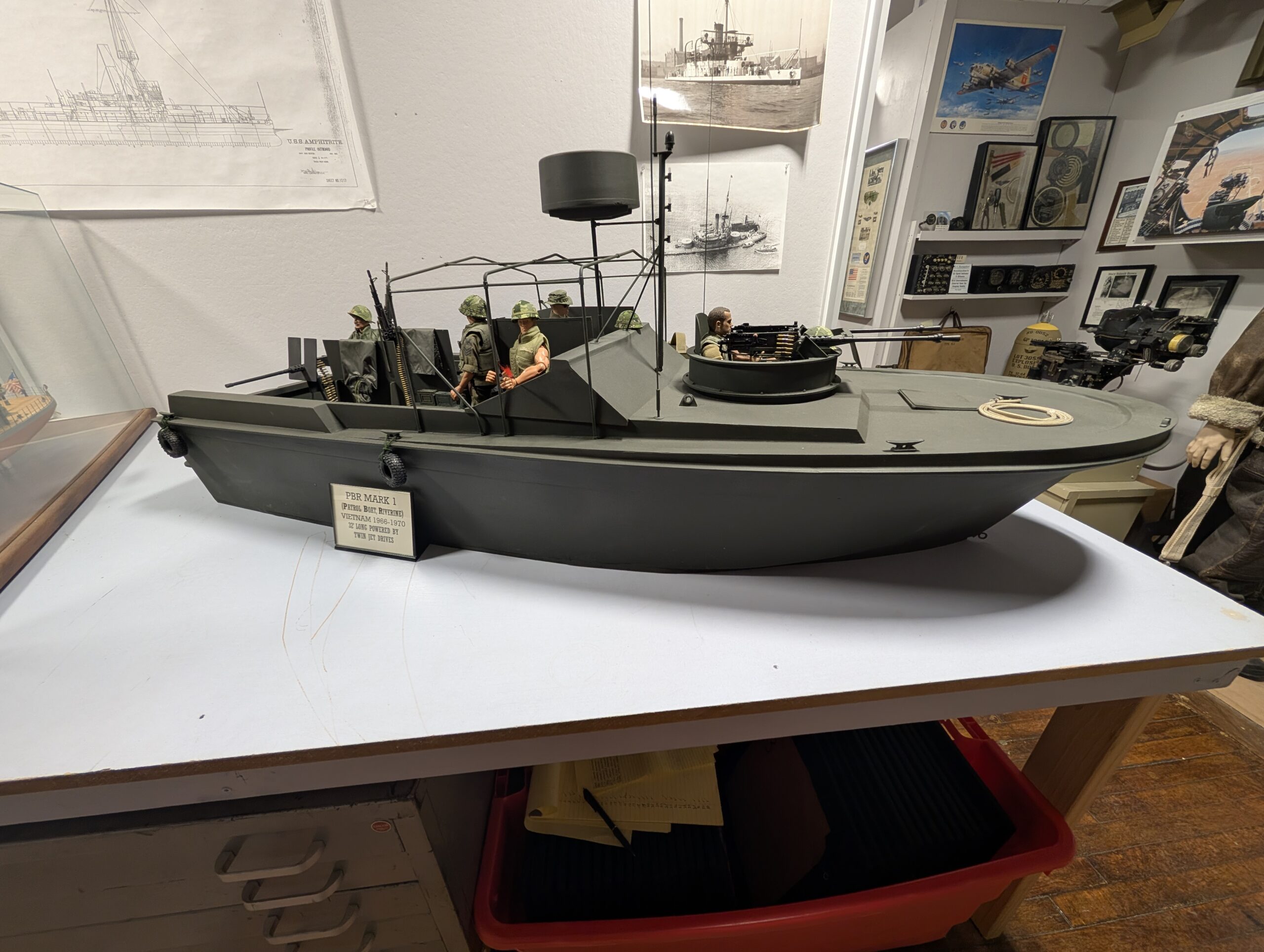
Smaller, but equally vital vessels, such as the U.S. Navy PBR Mark 1 (Patrol Boat, Riverine) from the Vietnam War, are also presented, highlighting specialized combat roles.
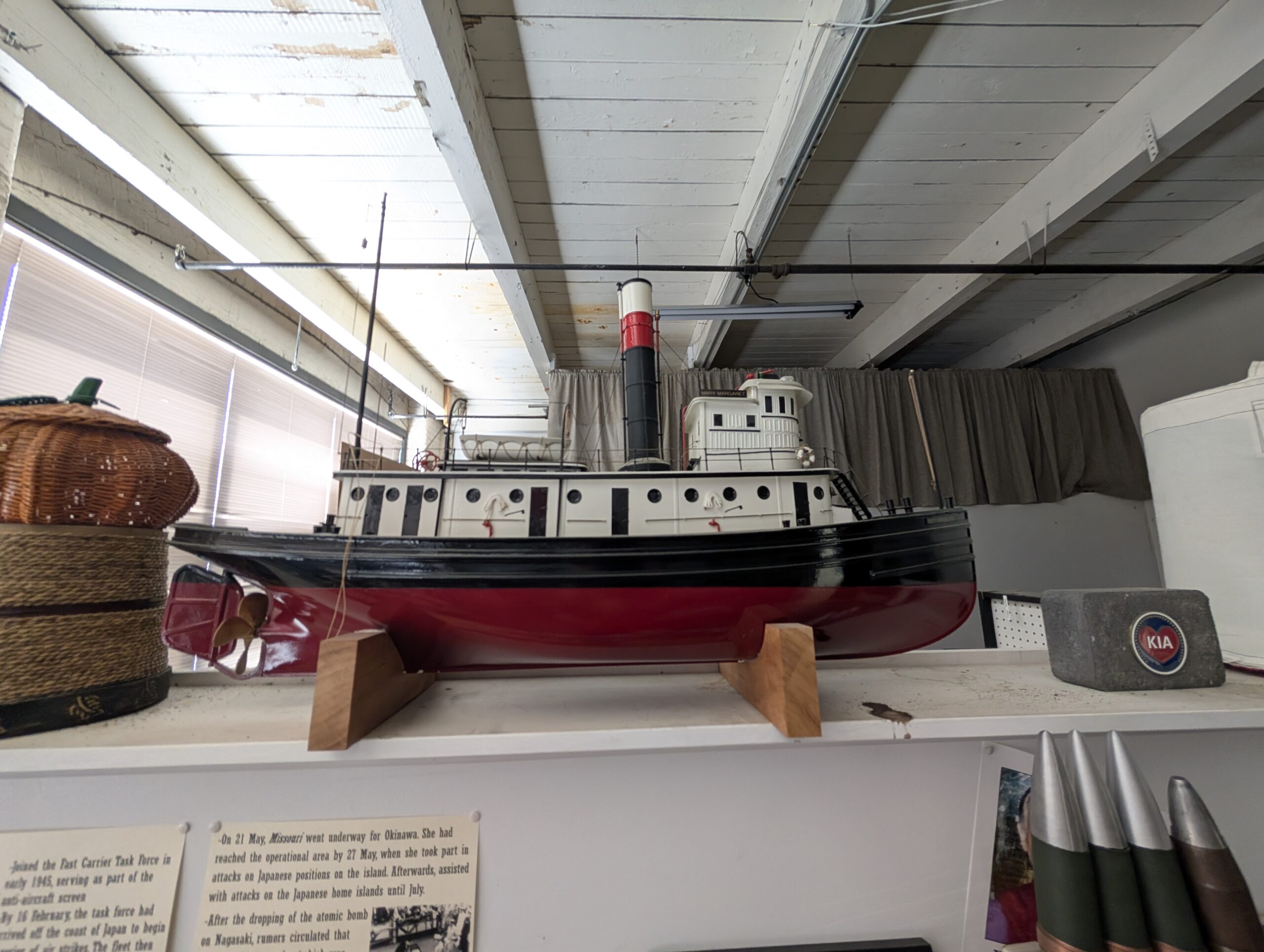
Even support vessels like the tugboat MARY MARGARET, involved in Pacific Theater operations during WWII, are recognized for their crucial contributions.
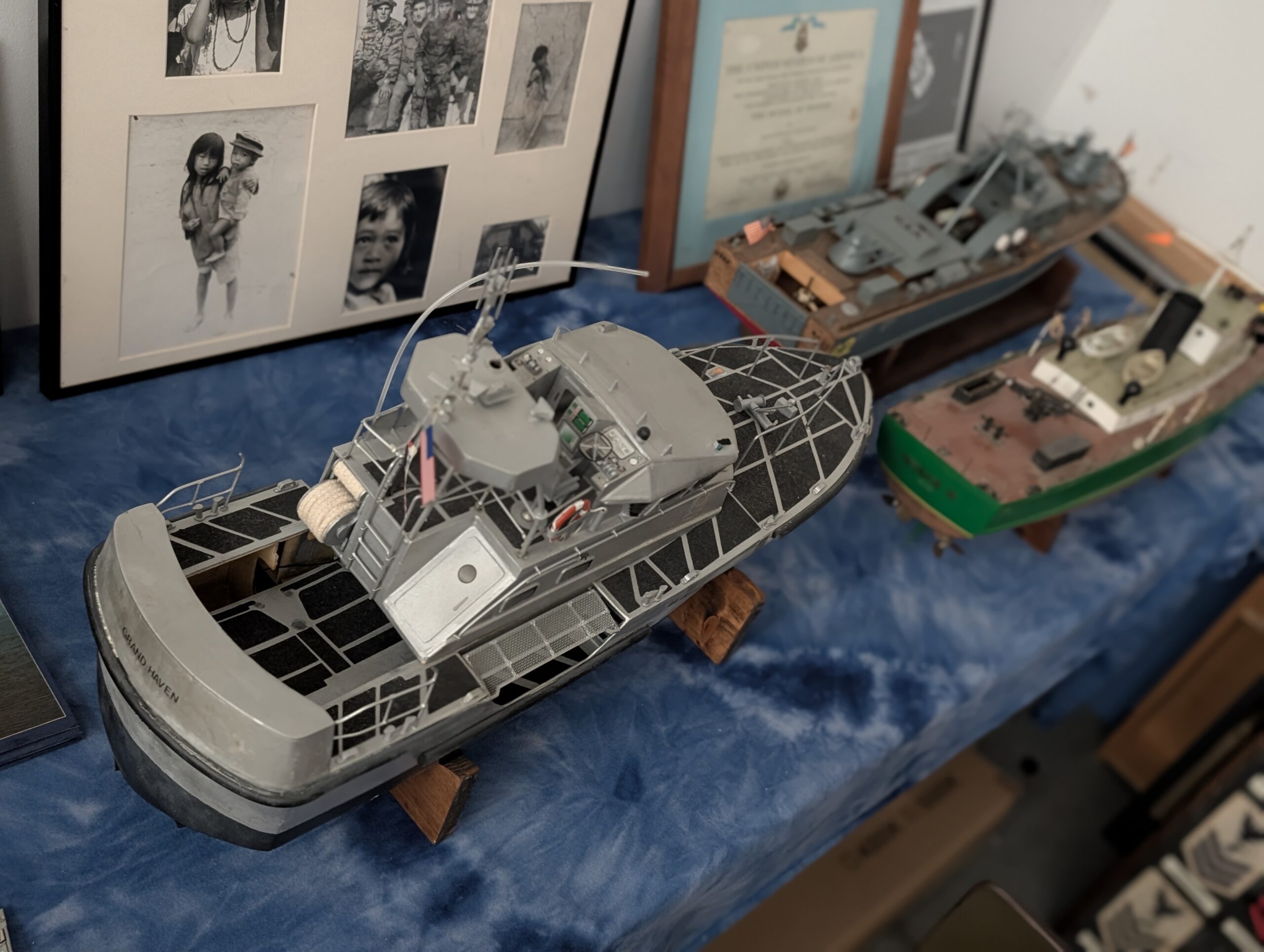
Finally, a U.S. Coast Guard patrol boat model named ‘Grand Haven’ represents the enduring commitment to maritime security and service.
This remarkable collection of model ships provides a tangible link to naval history, allowing for detailed examination of design, technology, and the evolution of maritime power. Each replica serves as a miniature monument to the ingenuity and sacrifice associated with naval service across centuries.
#NavalHistory #ModelShips #MilitaryModels #Warships #MaritimeHeritage #MuseumCollection #ScaleModels #USNavy #NavalWarfare