In naval tradition, a ship’s name often carries a legacy of service that transcends a single hull. The name USS Ericsson, honoring the famed Swedish-American inventor John Ericsson, graced two distinct U.S. Navy vessels during formative periods of the early 20th century, each representing a significant step in naval technology and doctrine. Their stories, captured in detailed scale models, chart the evolution of American sea power.
A Pioneer Torpedo Boat: TB-2
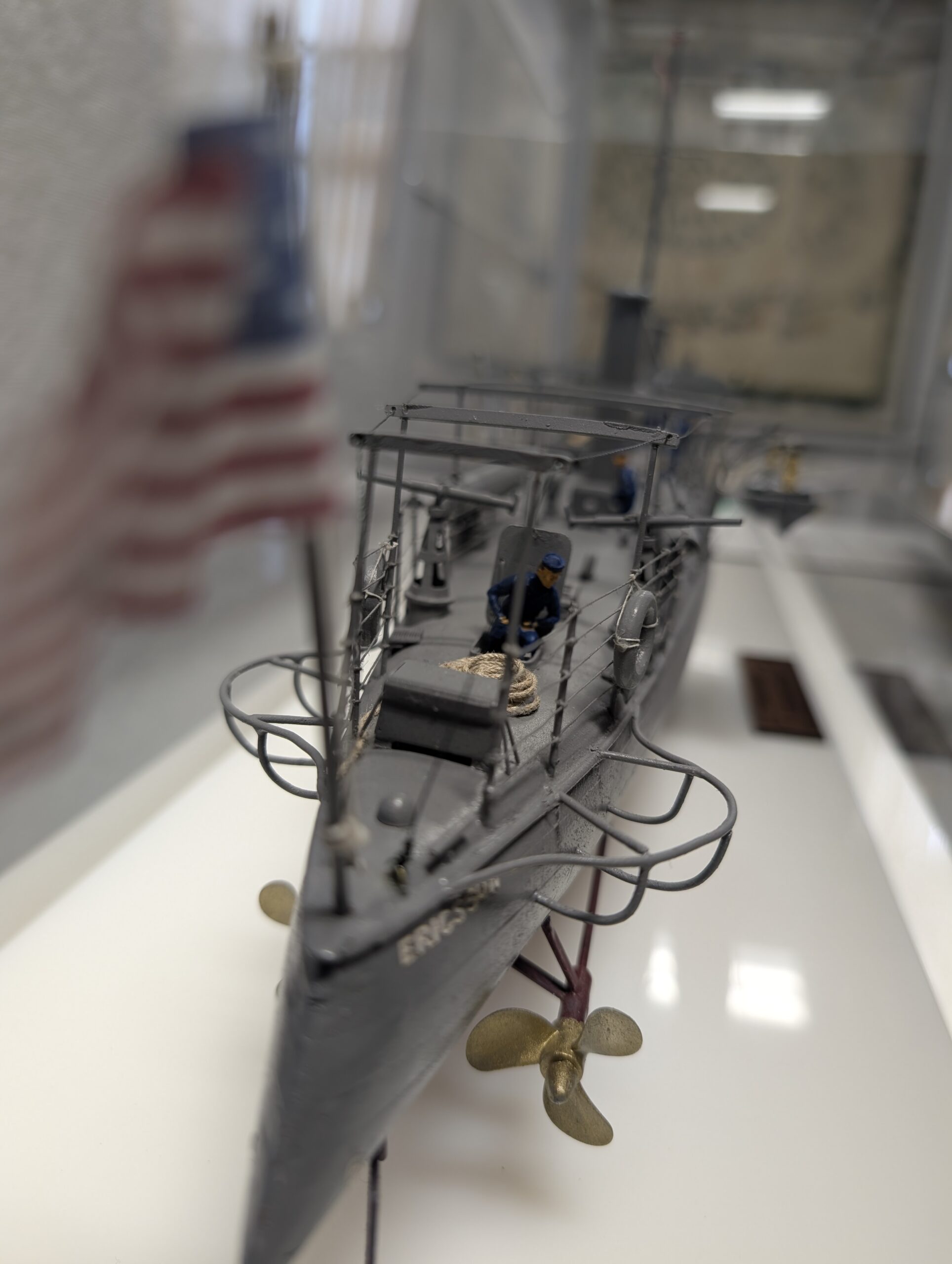
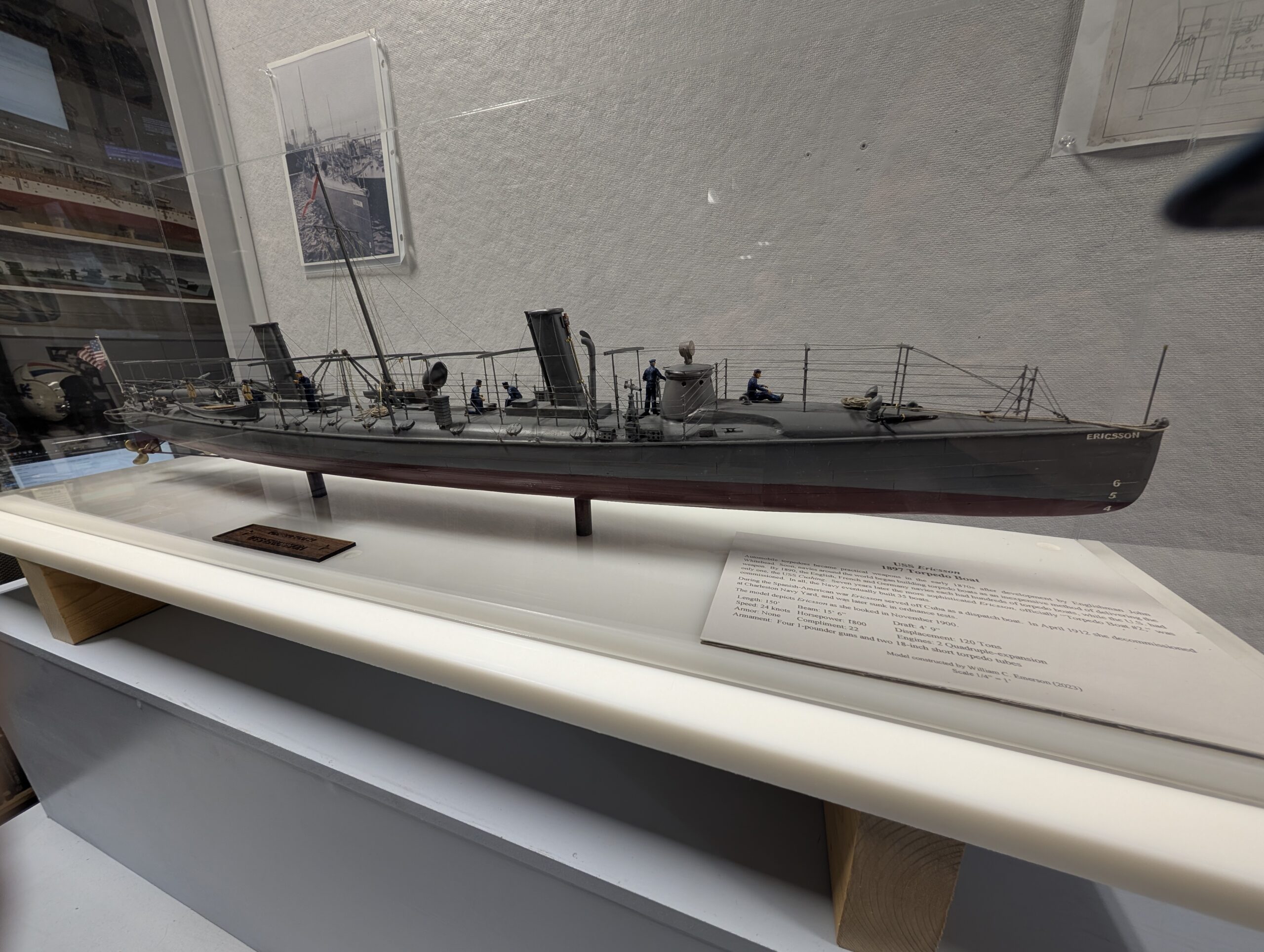
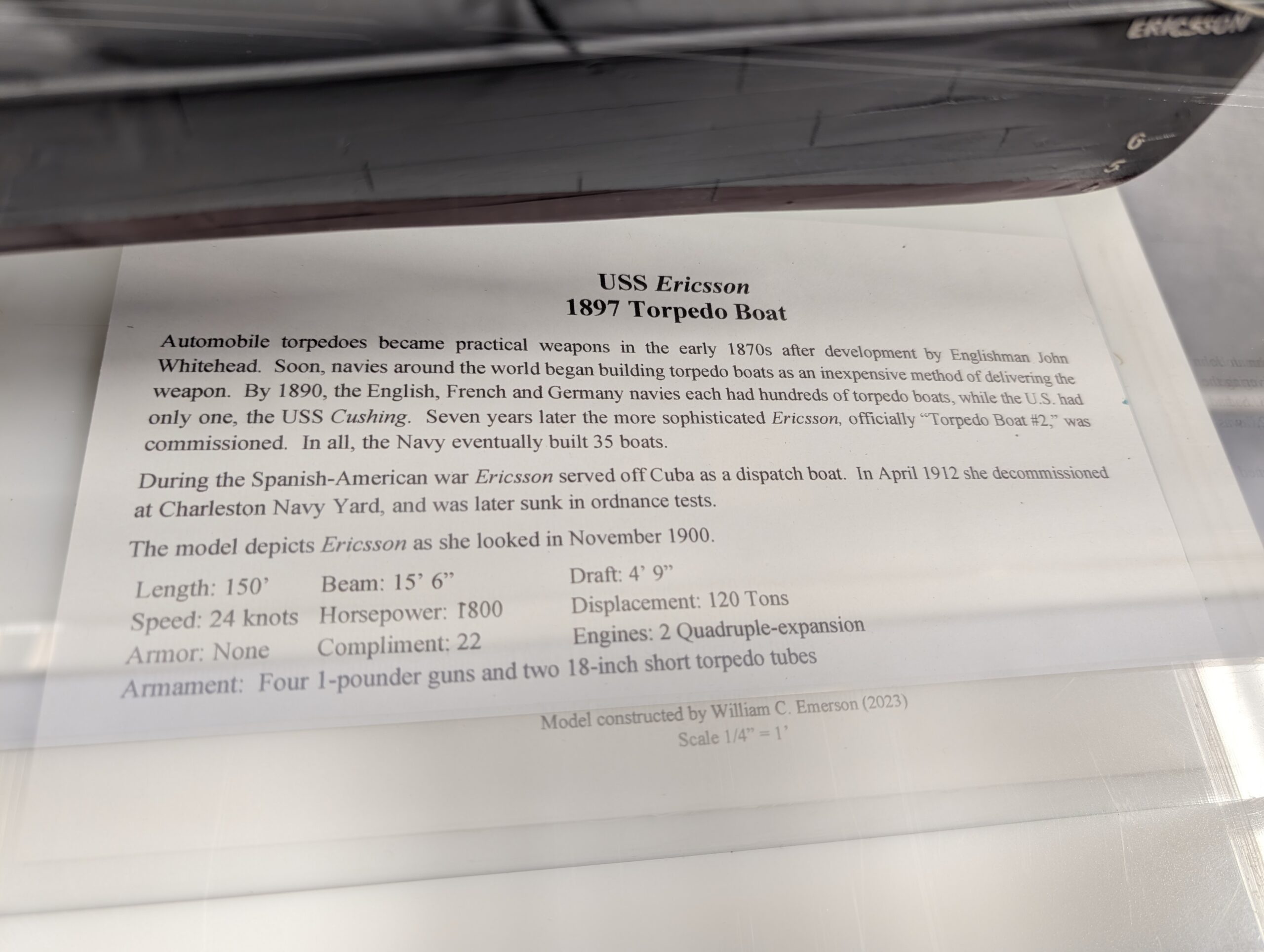
The first vessel, USS Ericsson (Torpedo Boat No. 2), entered service at a pivotal moment. Commissioned in 1897, she was the Navy’s second torpedo boat, a new class of small, fast warship designed to threaten capital ships with the recently developed self-propelled torpedo. Armed with four 1-pounder guns and two 18-inch torpedo tubes, the Ericsson embodied the tactical thinking of the turn of the century. During the Spanish-American War, she served with the North Atlantic Squadron, participating in the blockade of Cuba and acting as a dispatch boat. Her most notable action came during the Battle of Santiago de Cuba, a decisive naval engagement that highlighted the importance of modern warships. After a distinguished career, TB-2 was decommissioned in 1912 and later sunk during ordnance tests, her service complete.
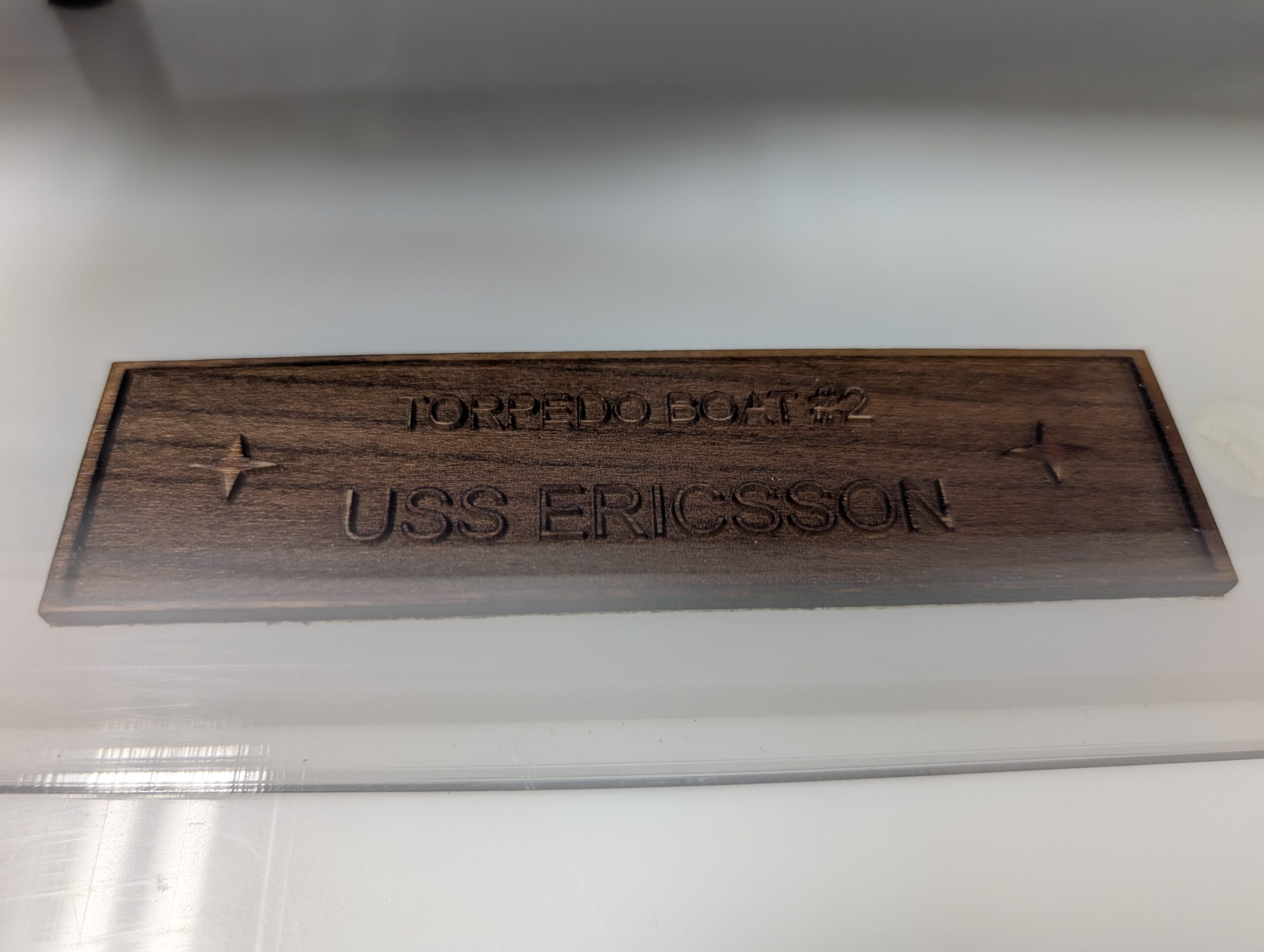
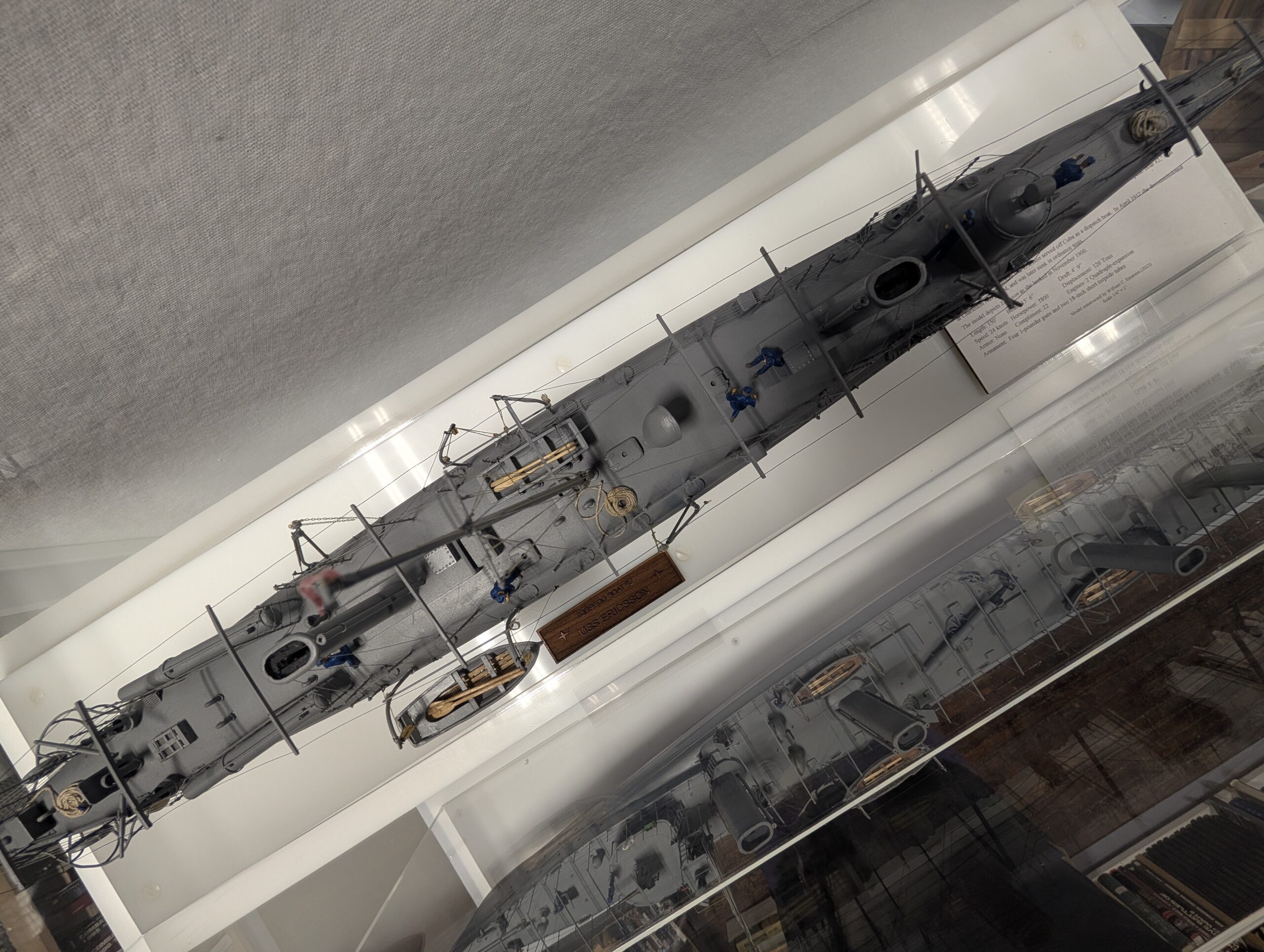
This meticulously crafted 1/4″=1′ scale model, built by William C. Emerson, depicts the vessel as she appeared in November 1900, preserving the lean, aggressive lines of this early naval predator.
Answering the Call Again: DD-56
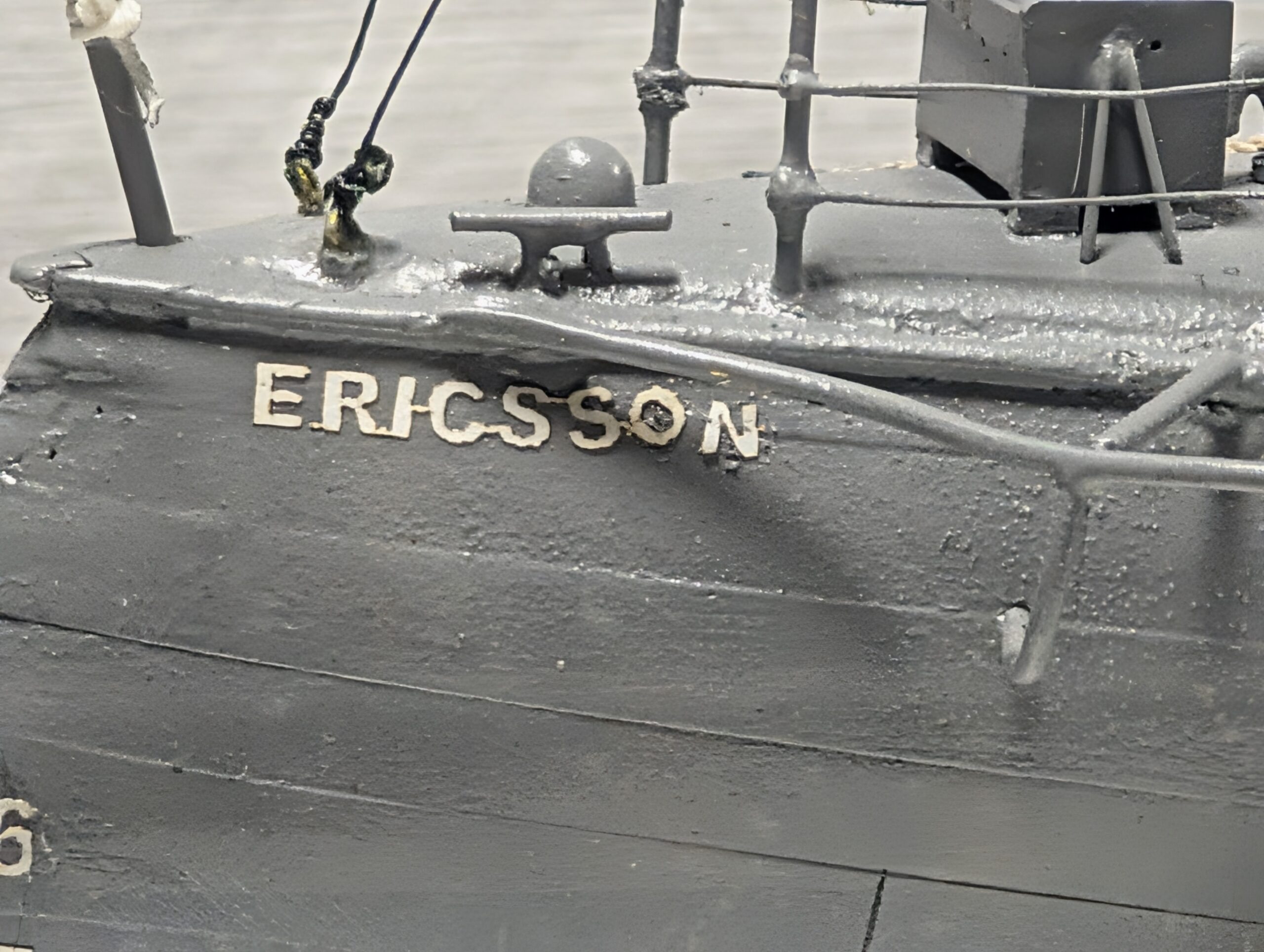
The Ericsson name was revived for a new generation and a new war. The USS Ericsson (DD-56), an O’Brien-class destroyer, was commissioned in 1915. This vessel represented a significant evolution from its torpedo boat predecessor. Larger, more heavily armed, and built for the rigors of the open ocean, DD-56 was designed for the challenges of World War I. She served as a critical convoy escort in the Atlantic, protecting vital shipments of men and materiel from the threat of German U-boats. The transition from the coastal TB-2 to the ocean-going DD-56 illustrates the rapid advancement in naval design and the changing scope of America’s role on the world stage.
The Unchanging Constant: The American Sailor
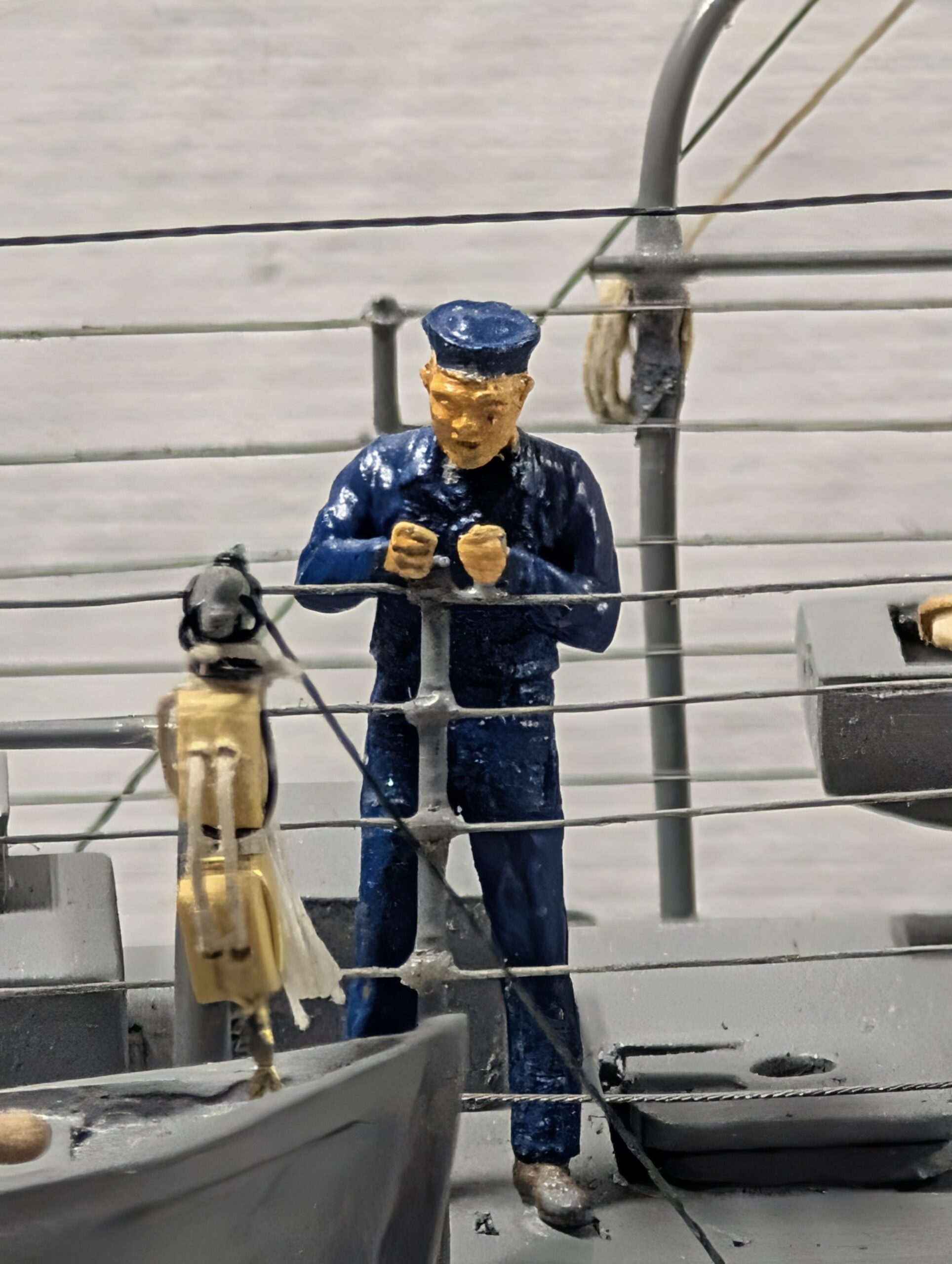
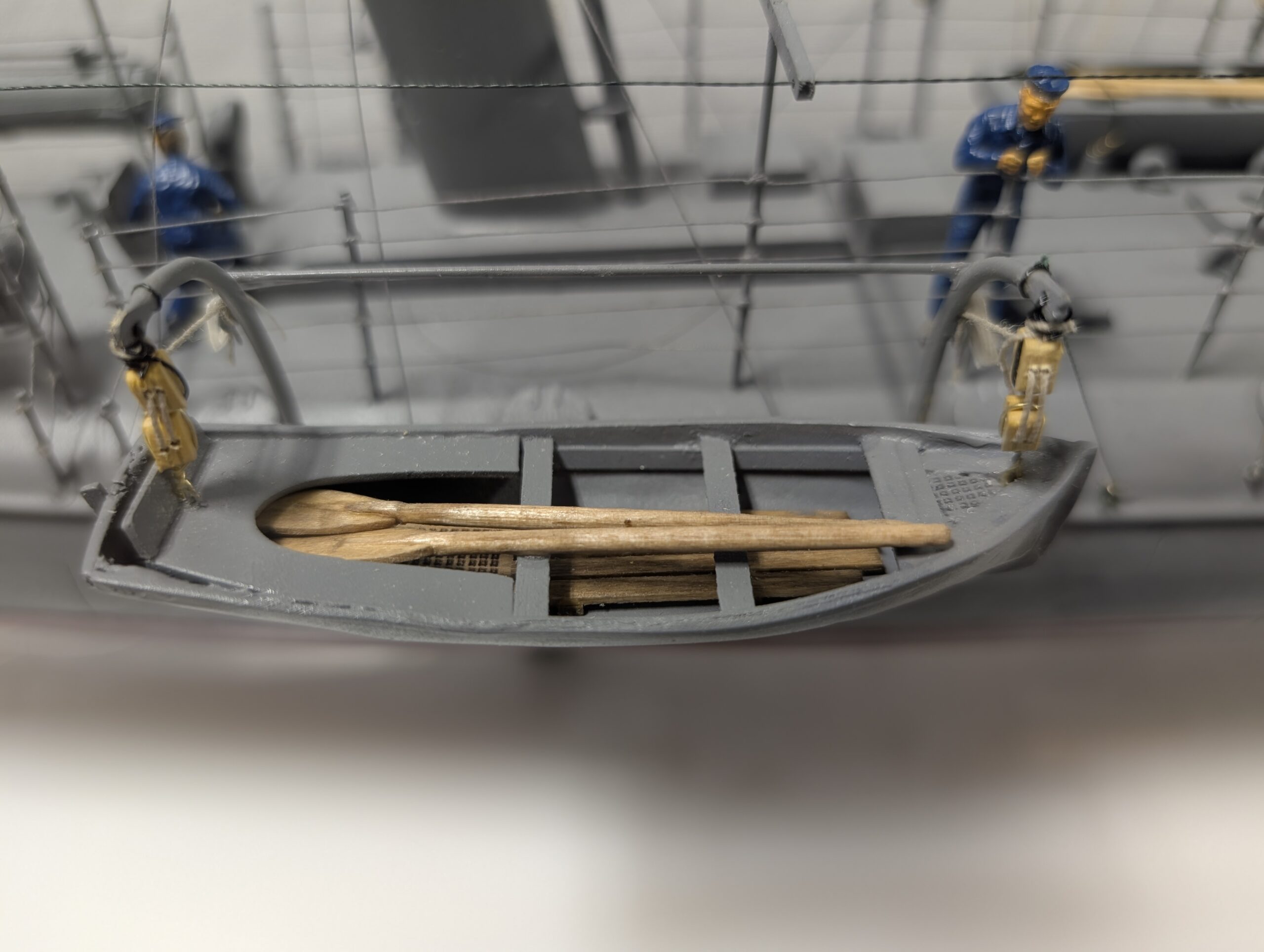
While the ships themselves evolved, the essential character of the sailor remained the constant. Other models, depicting scenes from the World War II era, offer a glimpse into the daily life aboard a naval vessel. Miniature figures in undress blue uniforms, the common working attire of the day, are shown in moments of quiet duty.
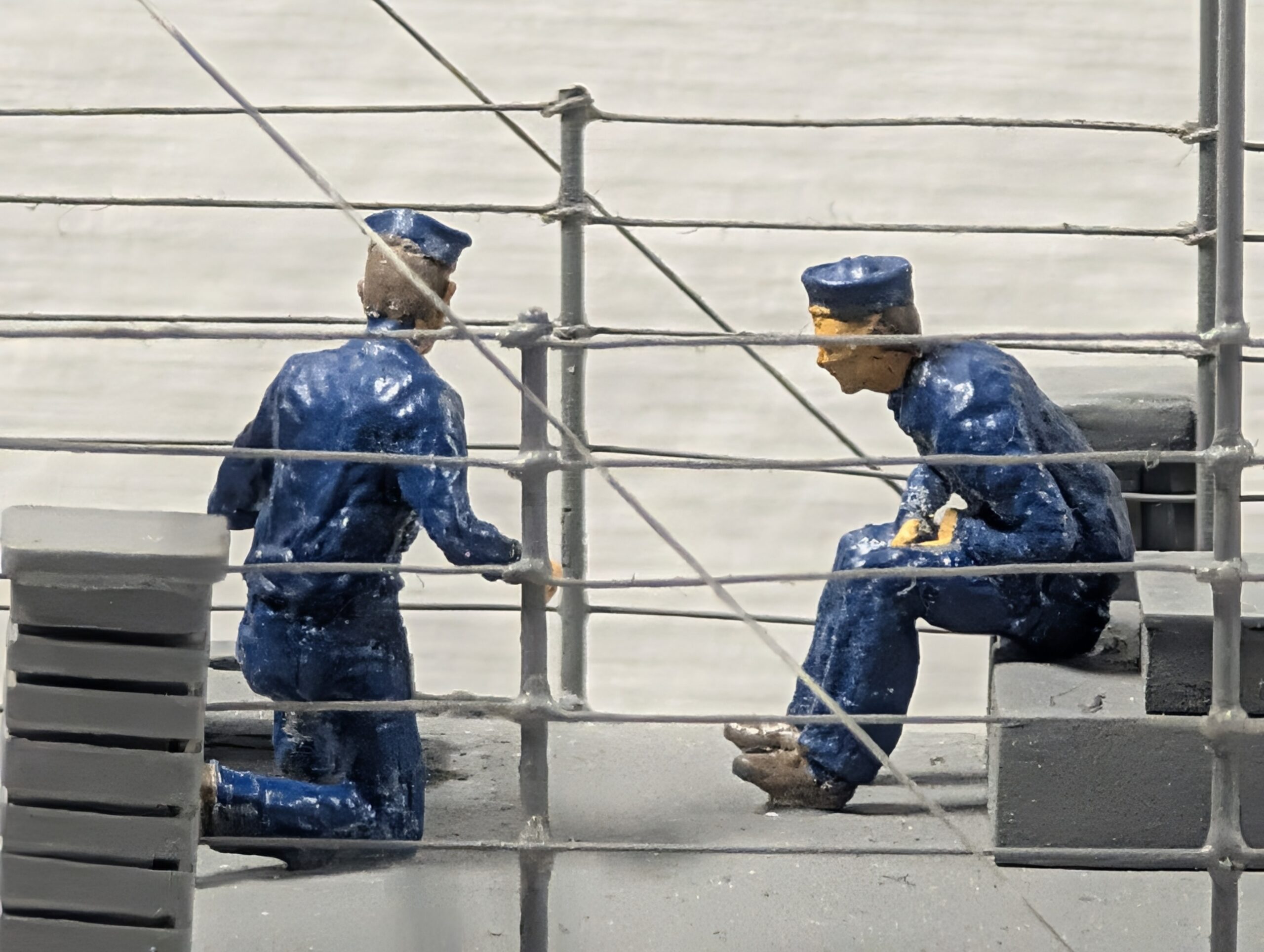
One sailor kneels by the ship’s railing while another sits nearby, capturing the periods of waiting that punctuate the intensity of life at sea. These vignettes, from a lone watch-stander to the lifeboat stowed in its davits, speak to the universal experience of sailors across all eras: a life of service defined by vigilance, camaraderie, and dedication. Together, these models of the Ericsson ships and the sailors who crewed them offer a powerful narrative of more than a half-century of U.S. naval history.