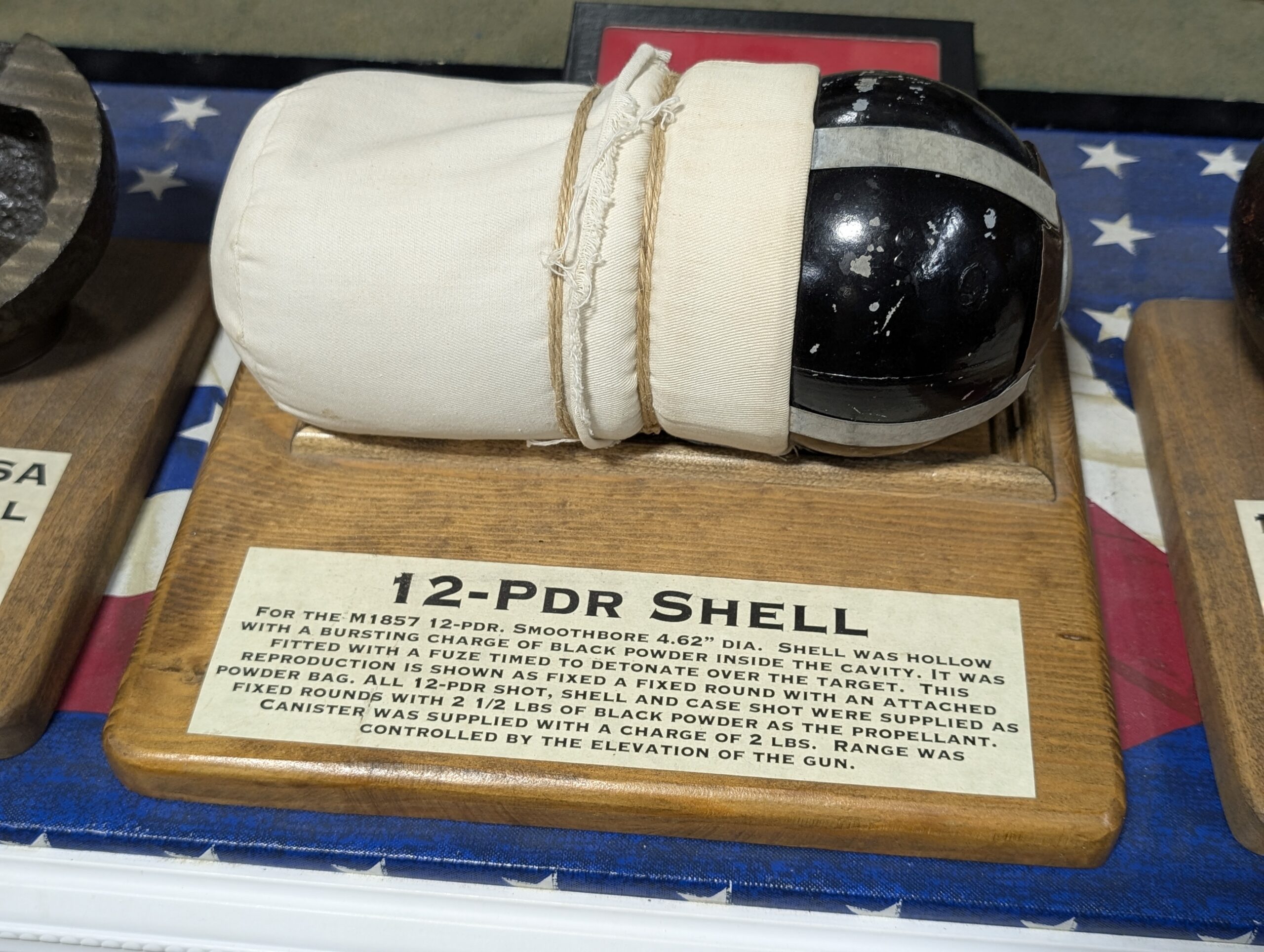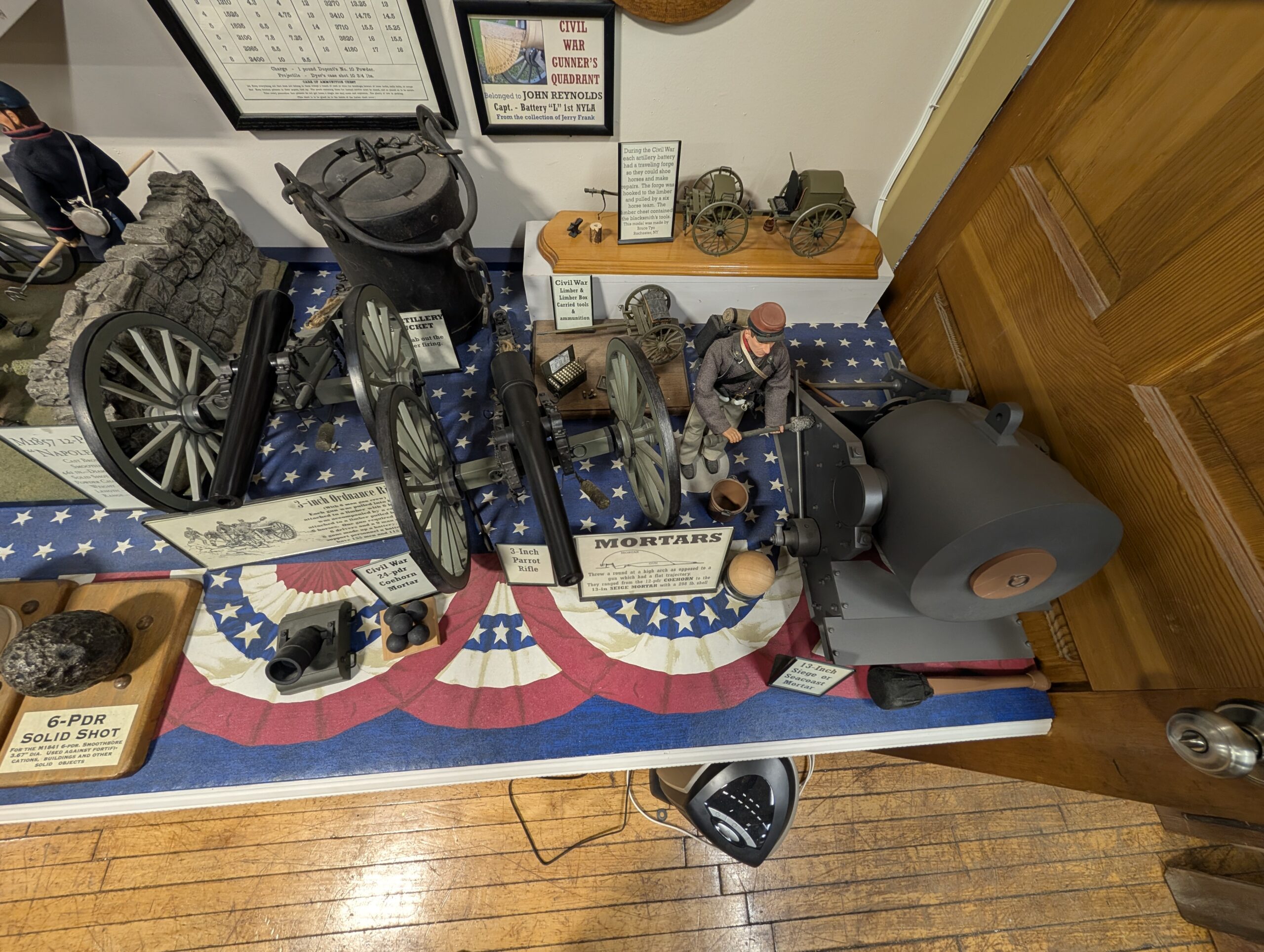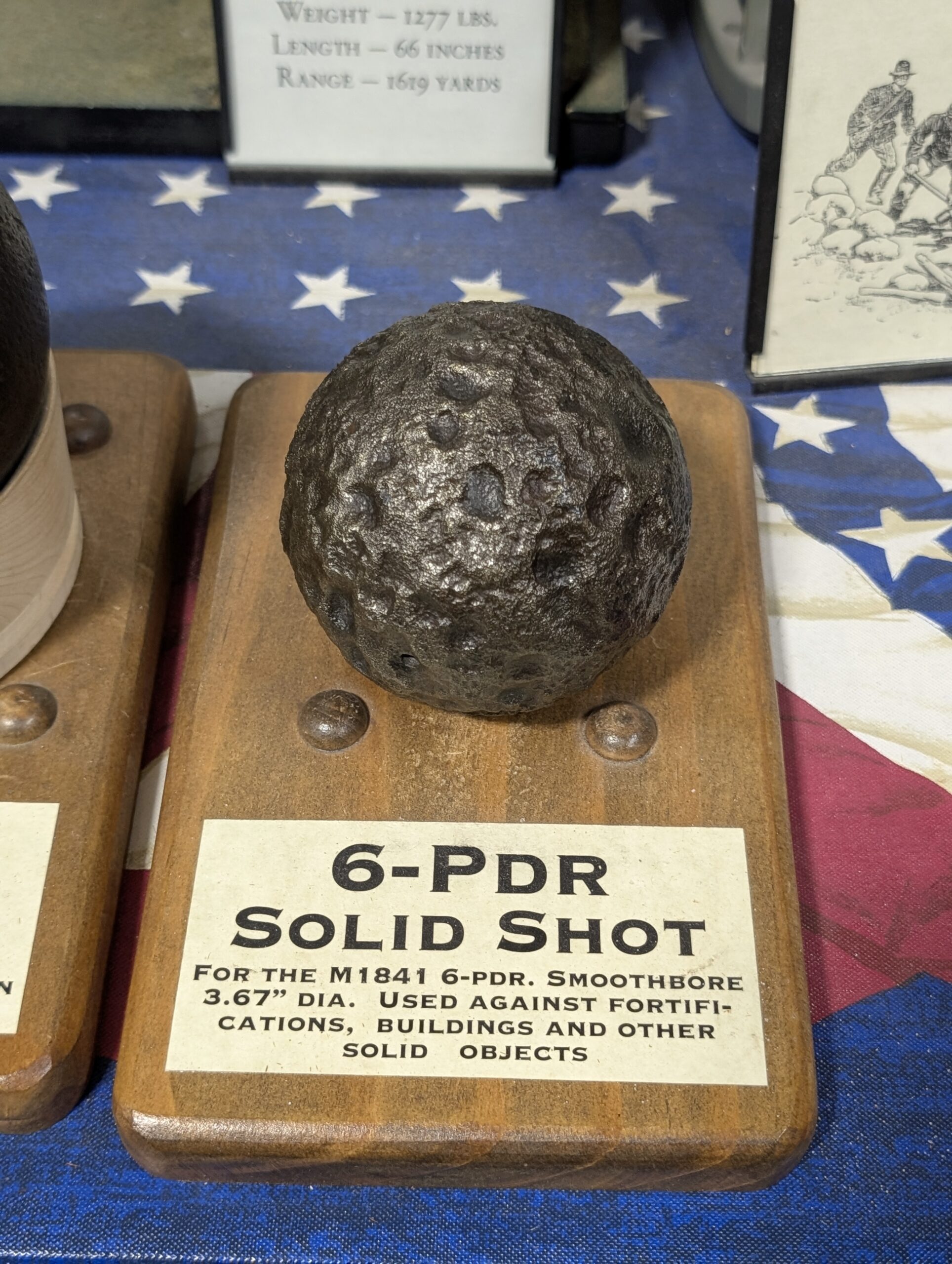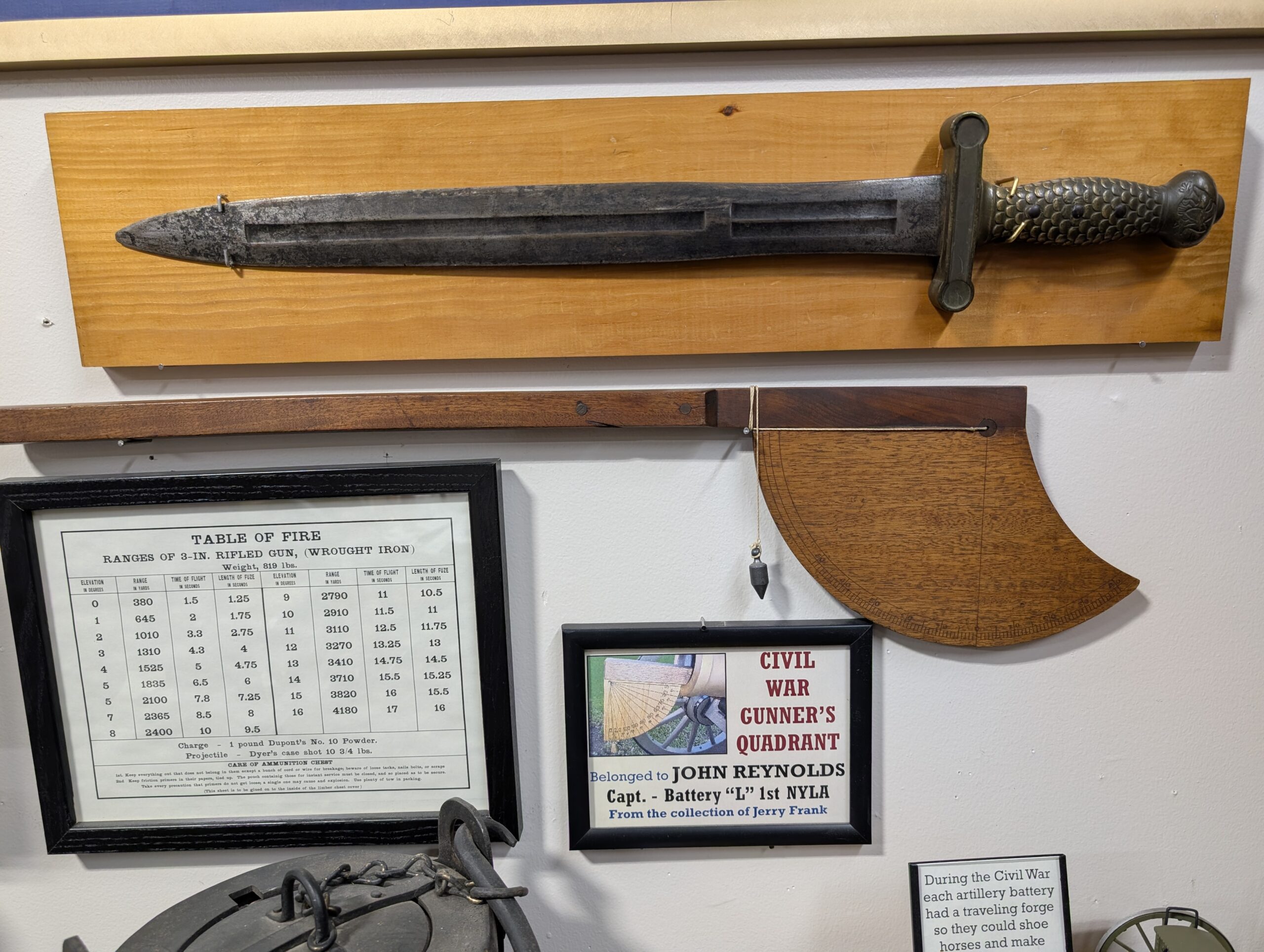
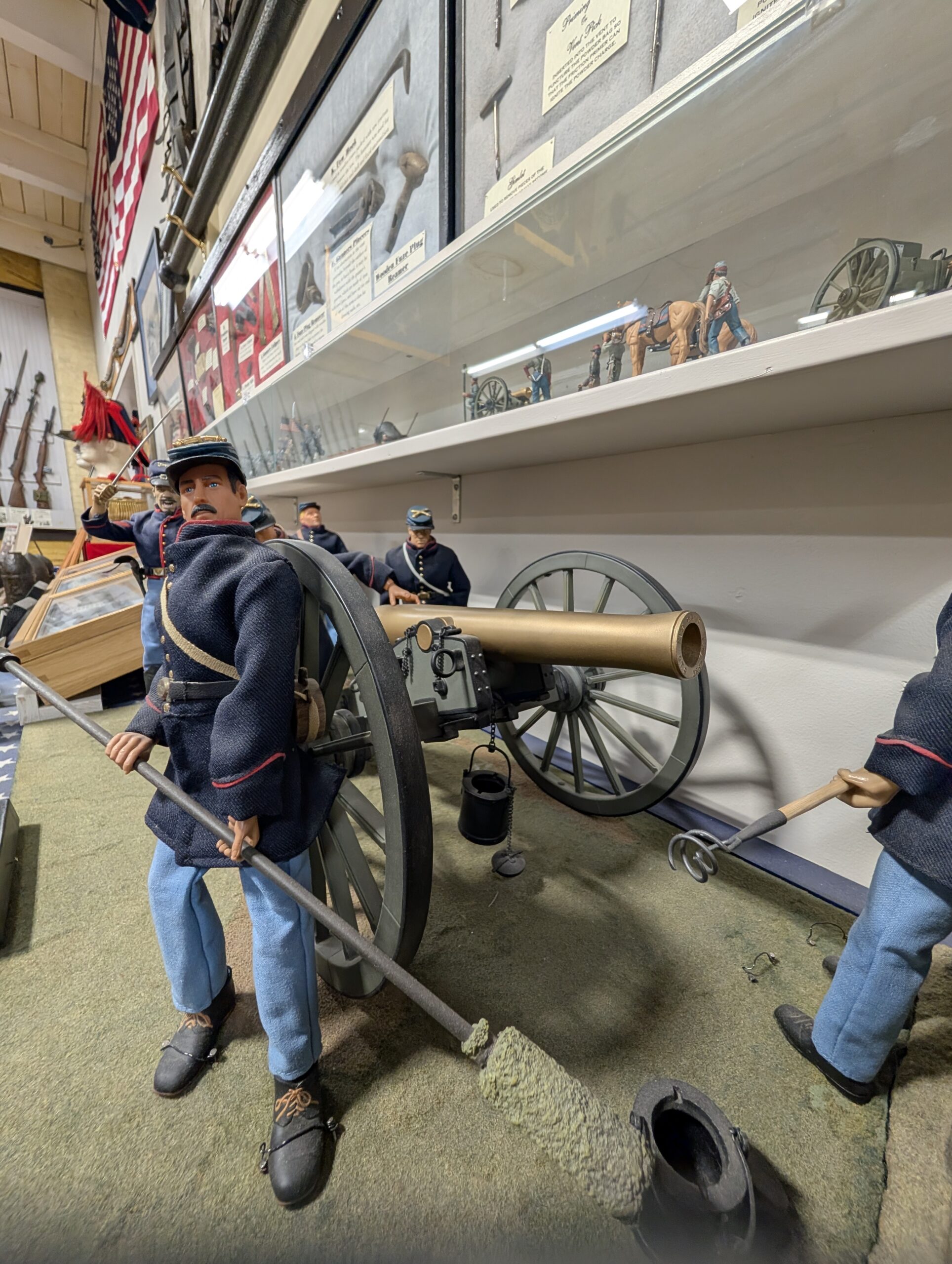
The American Civil War was a conflict defined by rapid technological advancement, and nowhere was this more evident than in the development and deployment of field artillery. Termed the “King of Battle,” artillery evolved from a supporting arm into a decisive force capable of shattering infantry formations and reducing fortifications to rubble. At the heart of this force was the artillery battery, a complex organism of men, horses, and machines. A prime example is the crew of the Model 1857 Light 12-pounder gun, known as the “Napoleon,” a versatile and reliable smoothbore cannon that formed the backbone of both Union and Confederate field artillery.
The Battery: Men, Horses, and Guns
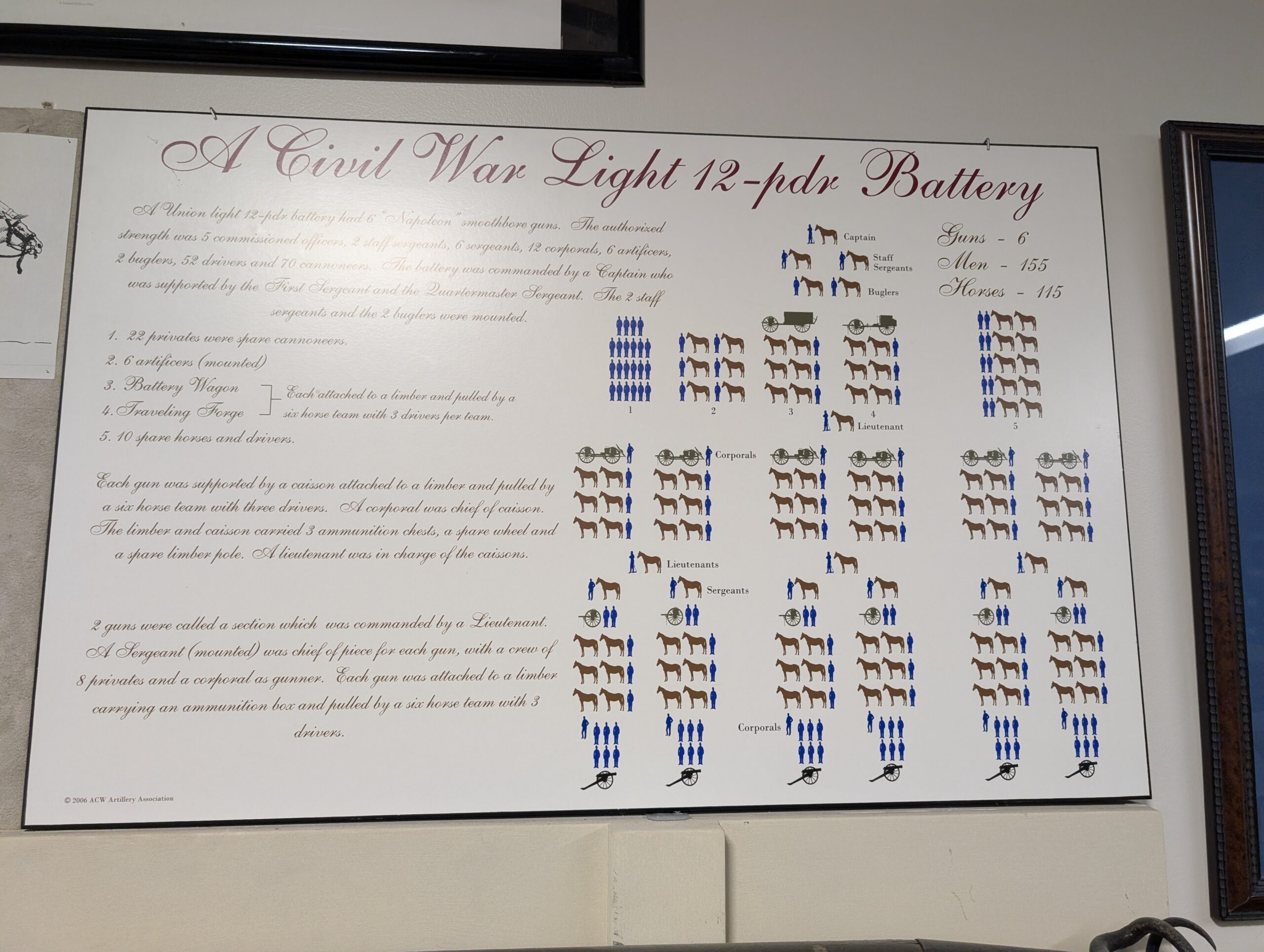
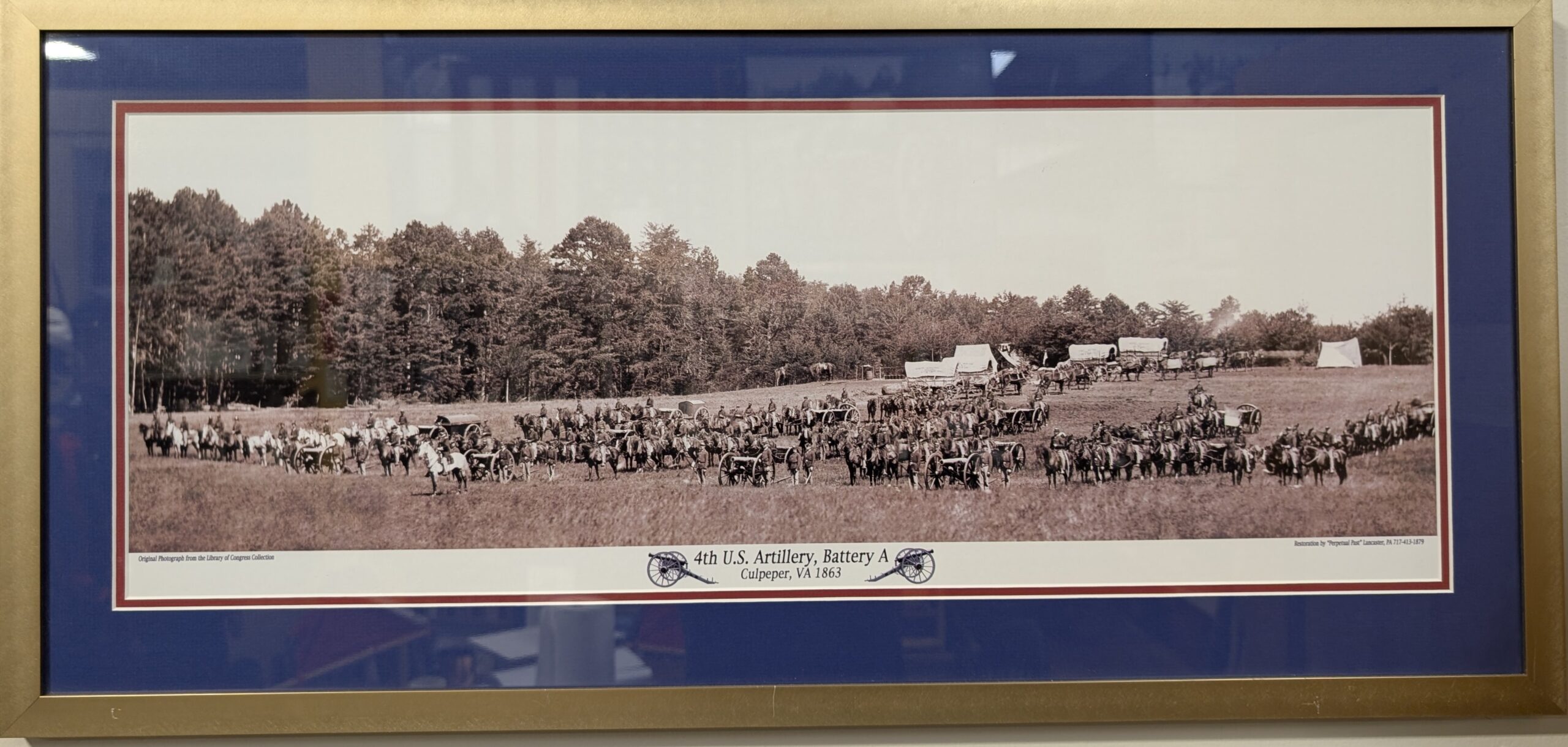
The effectiveness of an artillery battery depended on meticulous organization. A typical Union light artillery battery was a formidable unit authorized for 155 men and 115 horses to service six guns. This complex organization included gun crews, drivers, farriers, and support staff, all necessary to move, aim, fire, and maintain the cannons under battlefield conditions. The panoramic view of the 4th U.S. Artillery, Battery A, in 1863 provides a glimpse into the sheer scale of such a unit, with its lines of guns, caissons, and supply wagons stretching across the landscape.
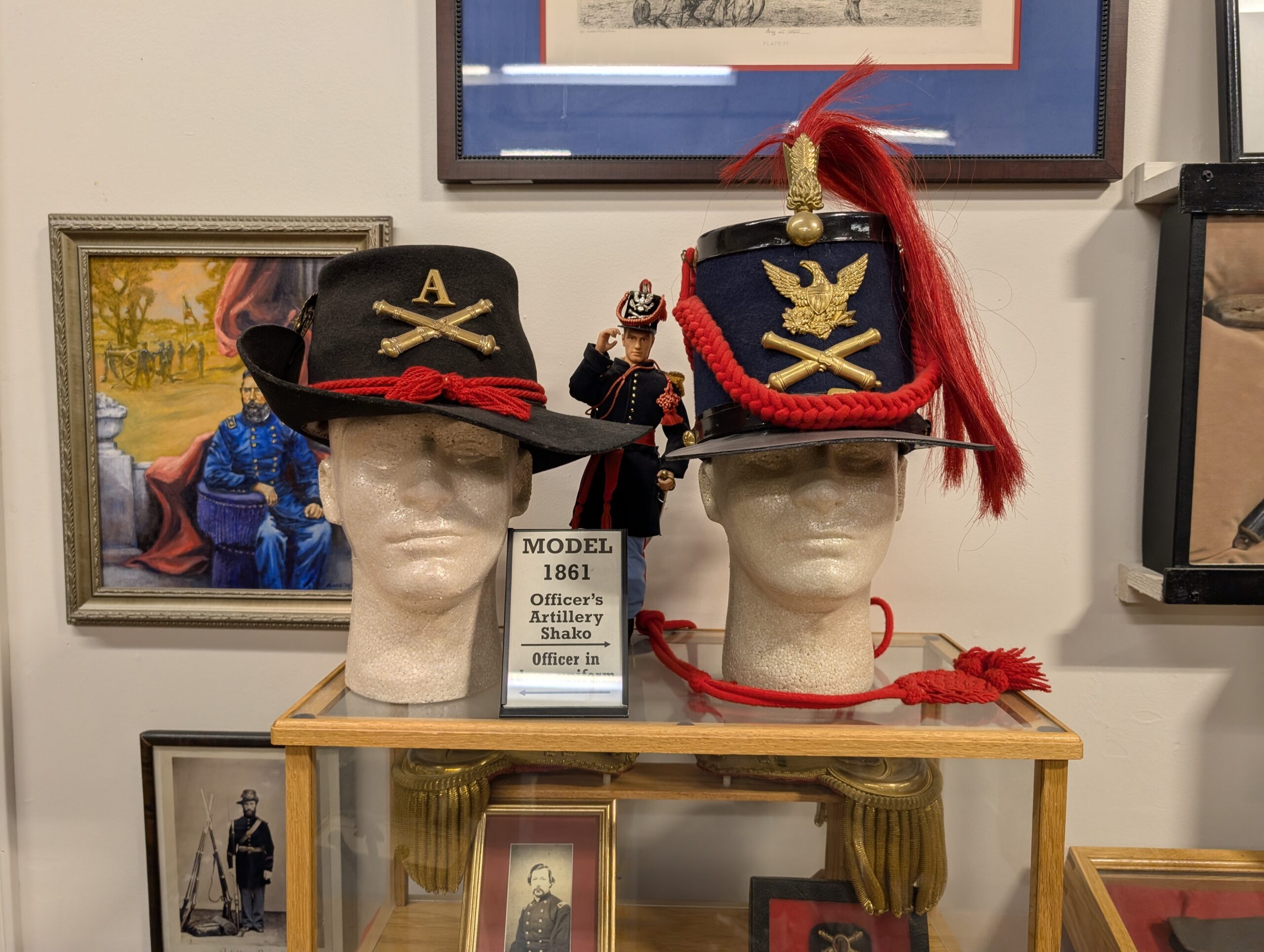
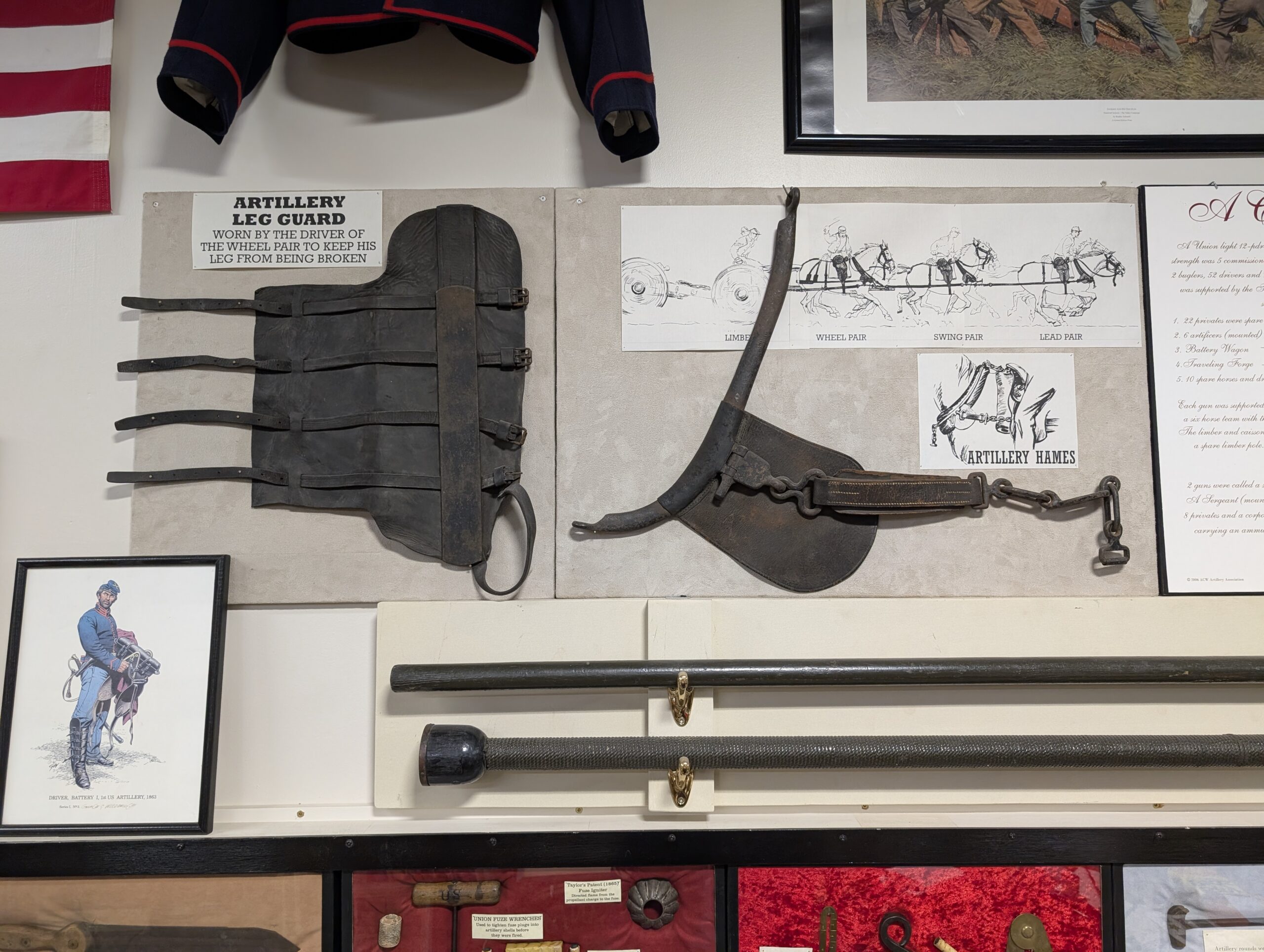
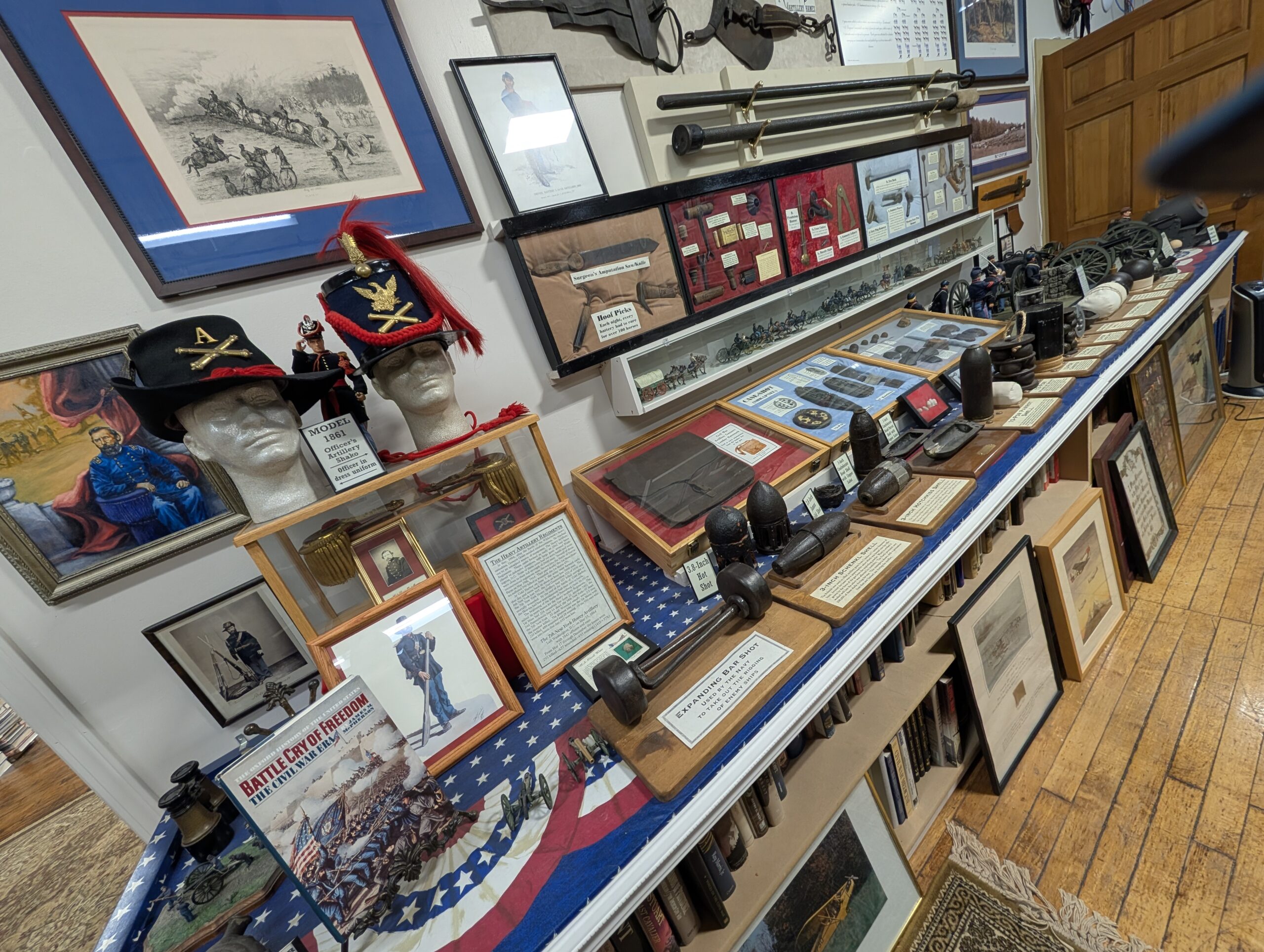
Each man had a specific role, denoted by uniforms and specialized equipment. Officers sported distinctive headgear, such as the Model 1861 Shako or the Hardee-style hat with crossed cannon insignia. Drivers, who guided the teams of horses pulling the heavy guns and limbers, wore reinforced leather leg guards to protect themselves from the wheels and the other horses in the team.
The Arsenal: An Evolution in Ammunition
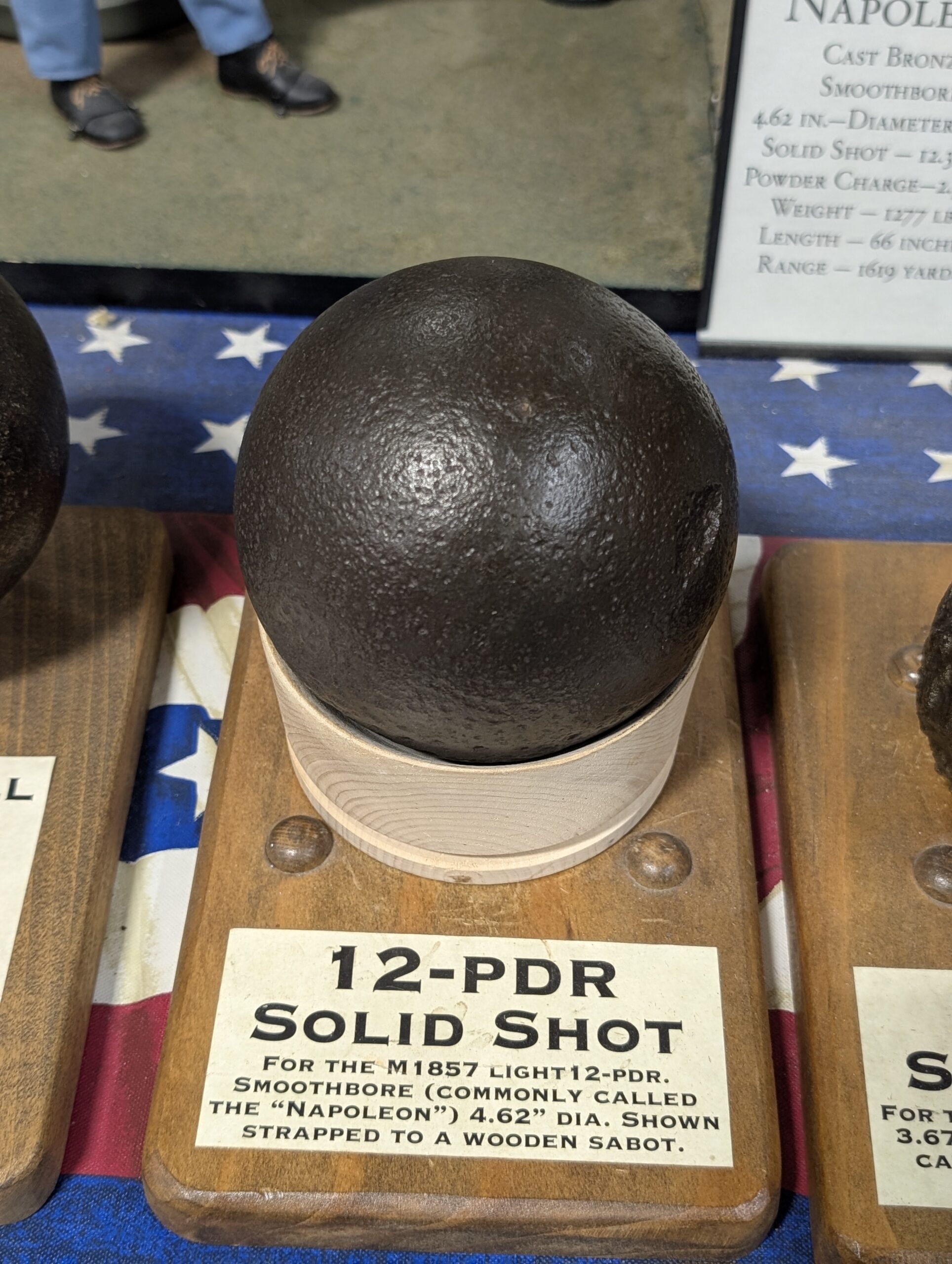
The destructive power of Civil War artillery resided in its ammunition. The simplest form was the solid shot, a cast iron ball used for battering fortifications or for ‘long bowling’ through enemy formations. For smoothbore cannons like the Napoleon, the 12-pounder solid shot was standard. However, the true innovation was in projectiles designed for specific purposes.
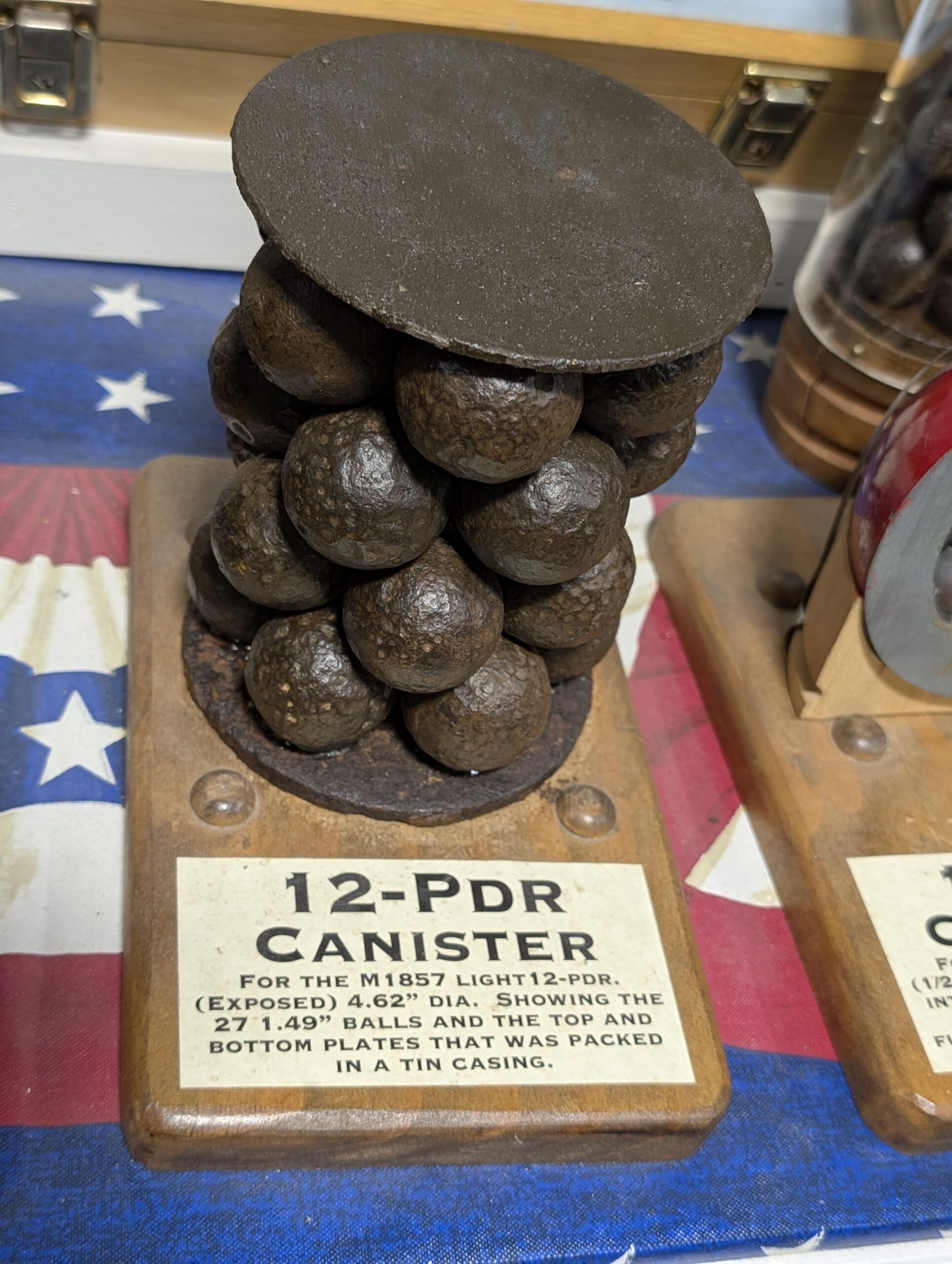
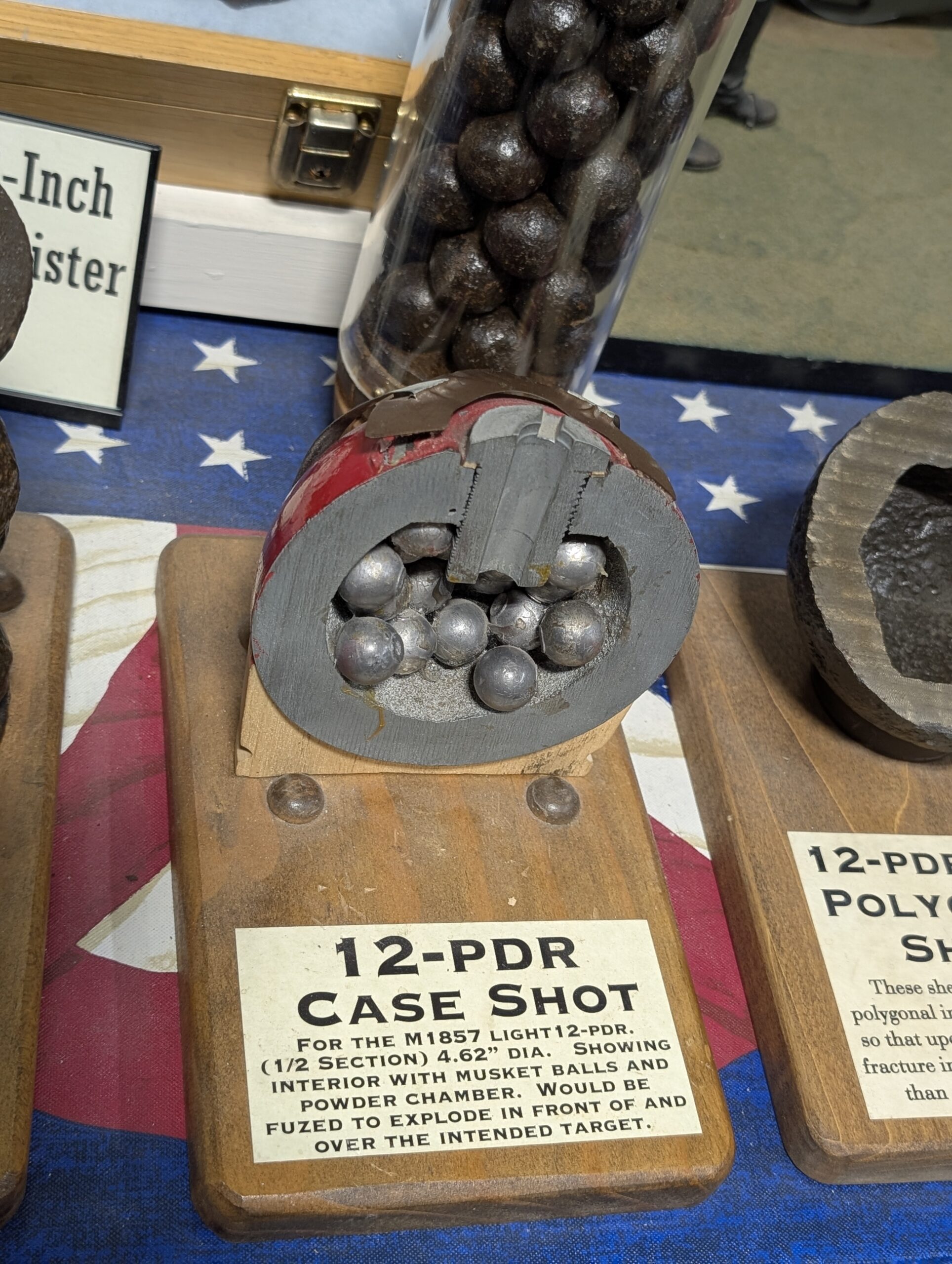
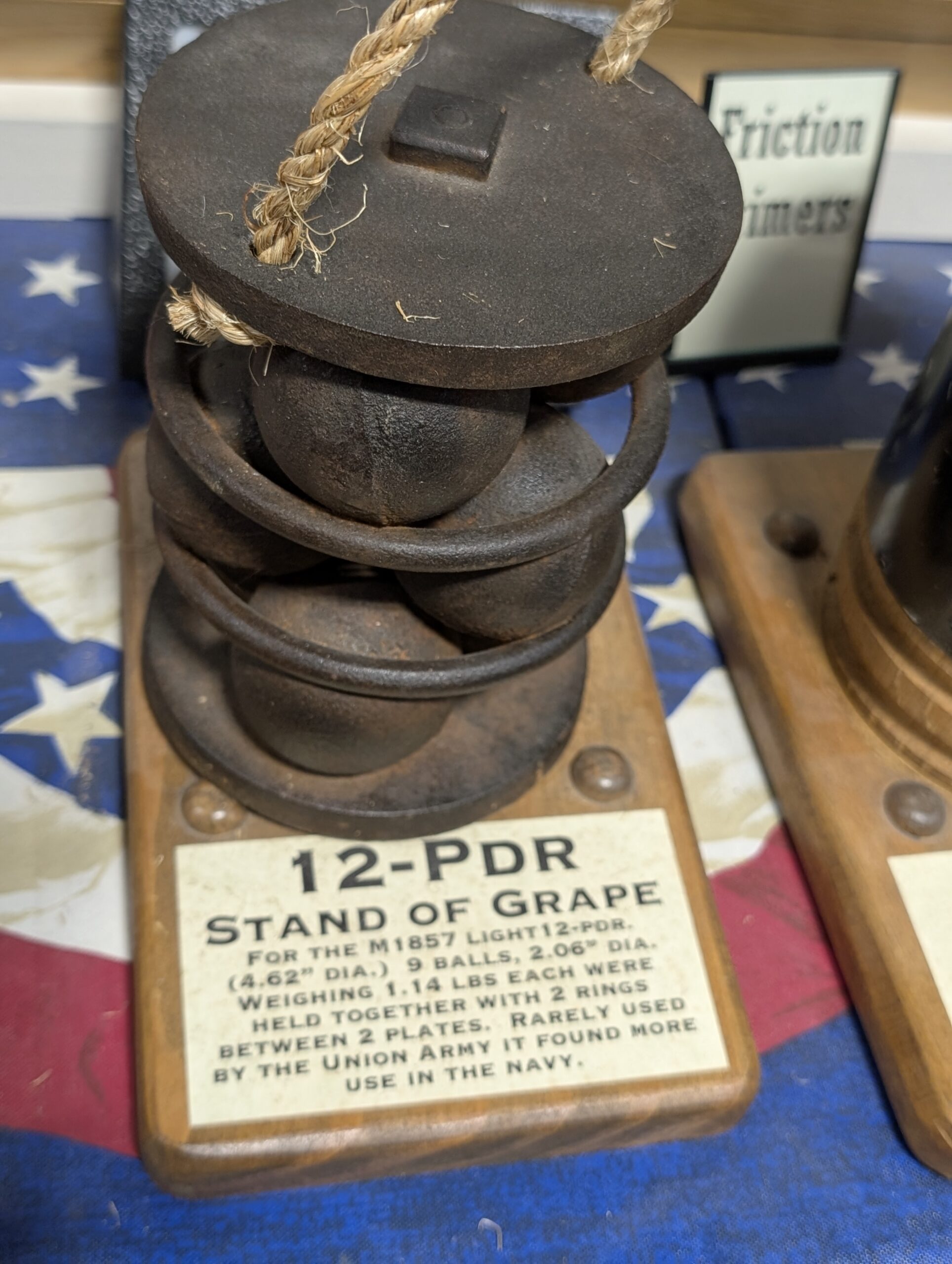
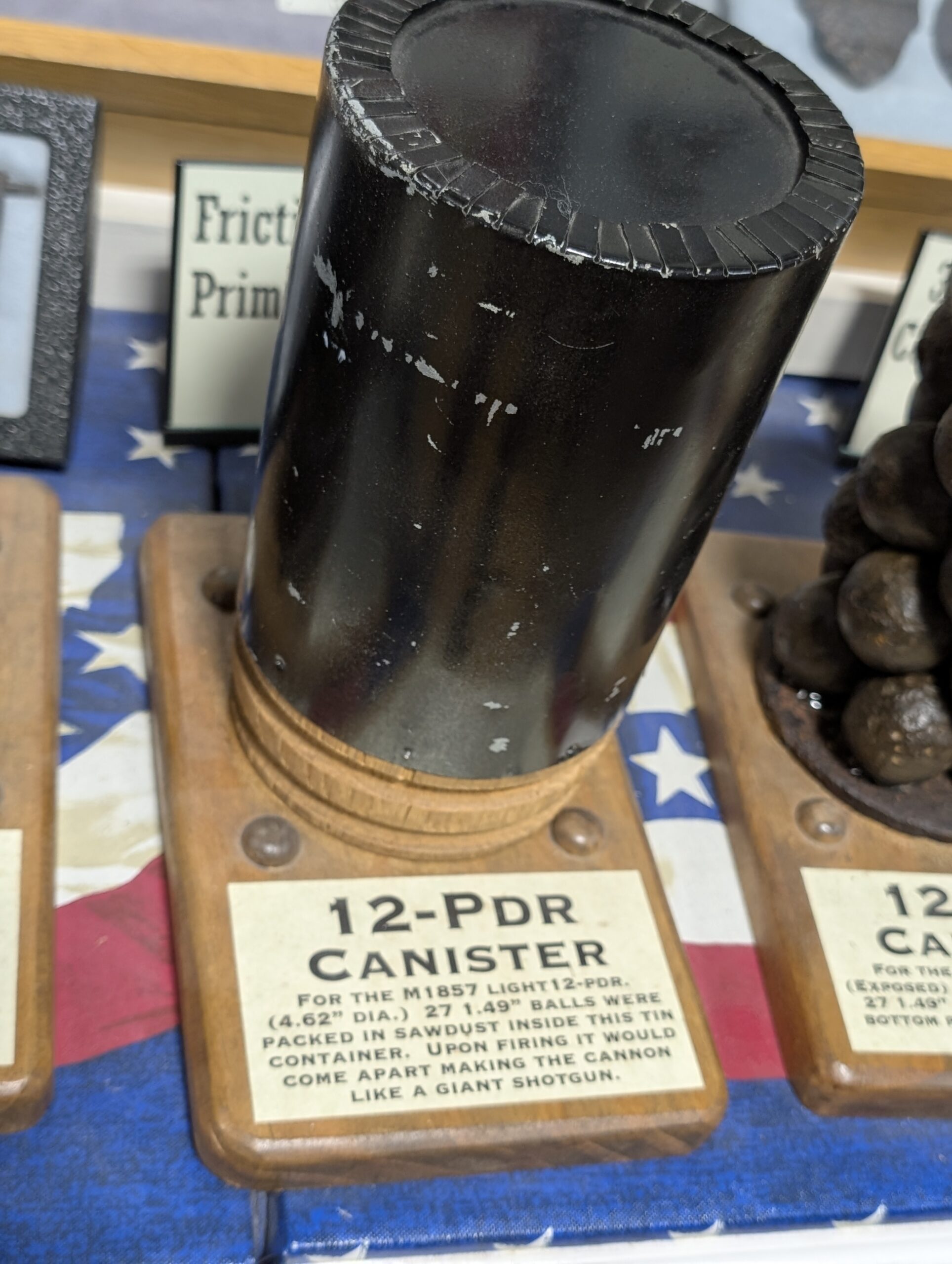
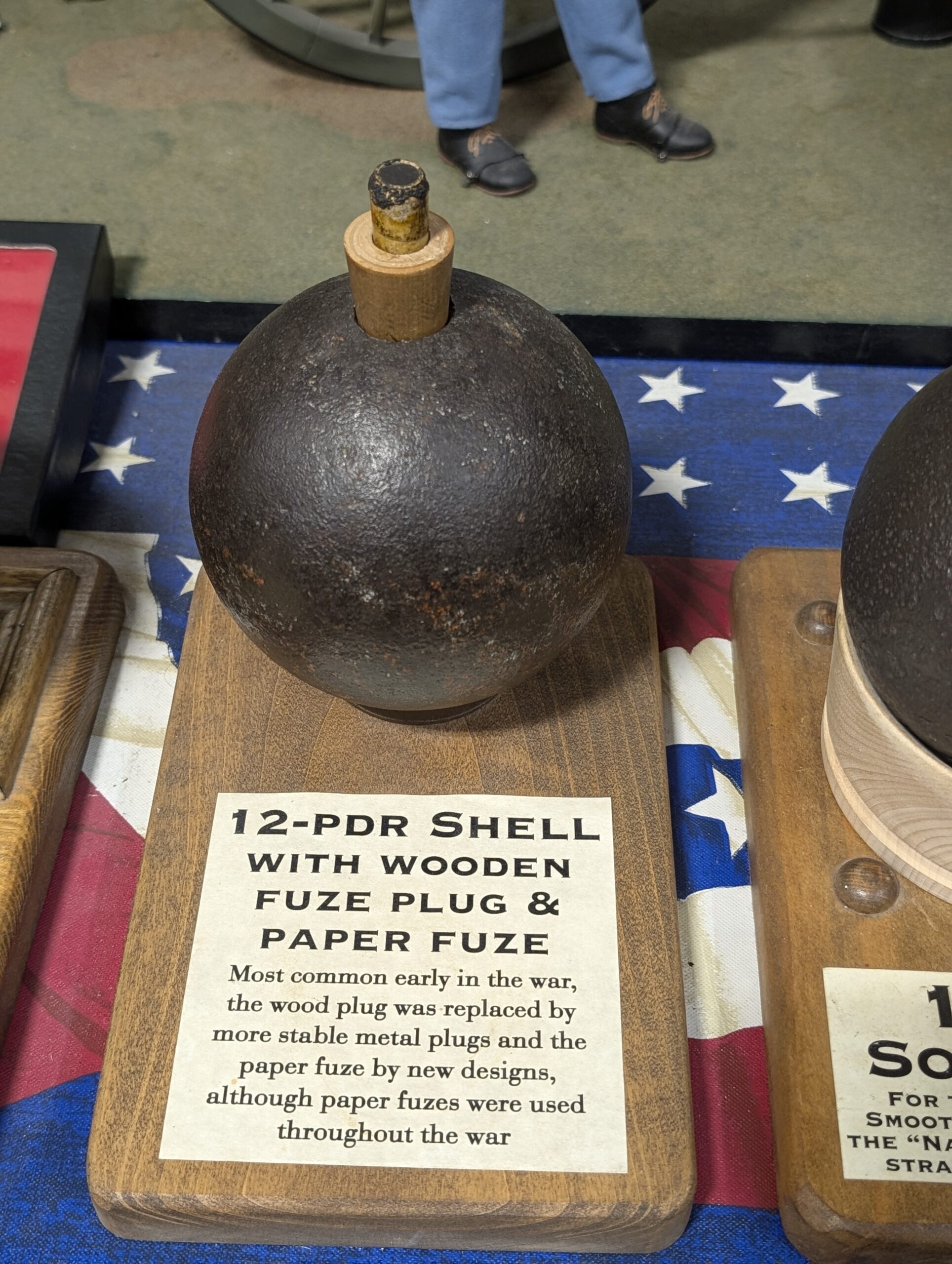
For anti-personnel use at close range, nothing was more feared than canister shot. A tin can filled with iron balls, it turned a cannon into a massive shotgun. Case shot was a more sophisticated version, a hollow shell filled with musket balls and a bursting charge designed to explode over enemy troops. Grapeshot, nine large iron balls arranged on a central stem, was similar in purpose but saw less use by army field artillery during the war.
The Rifled Revolution
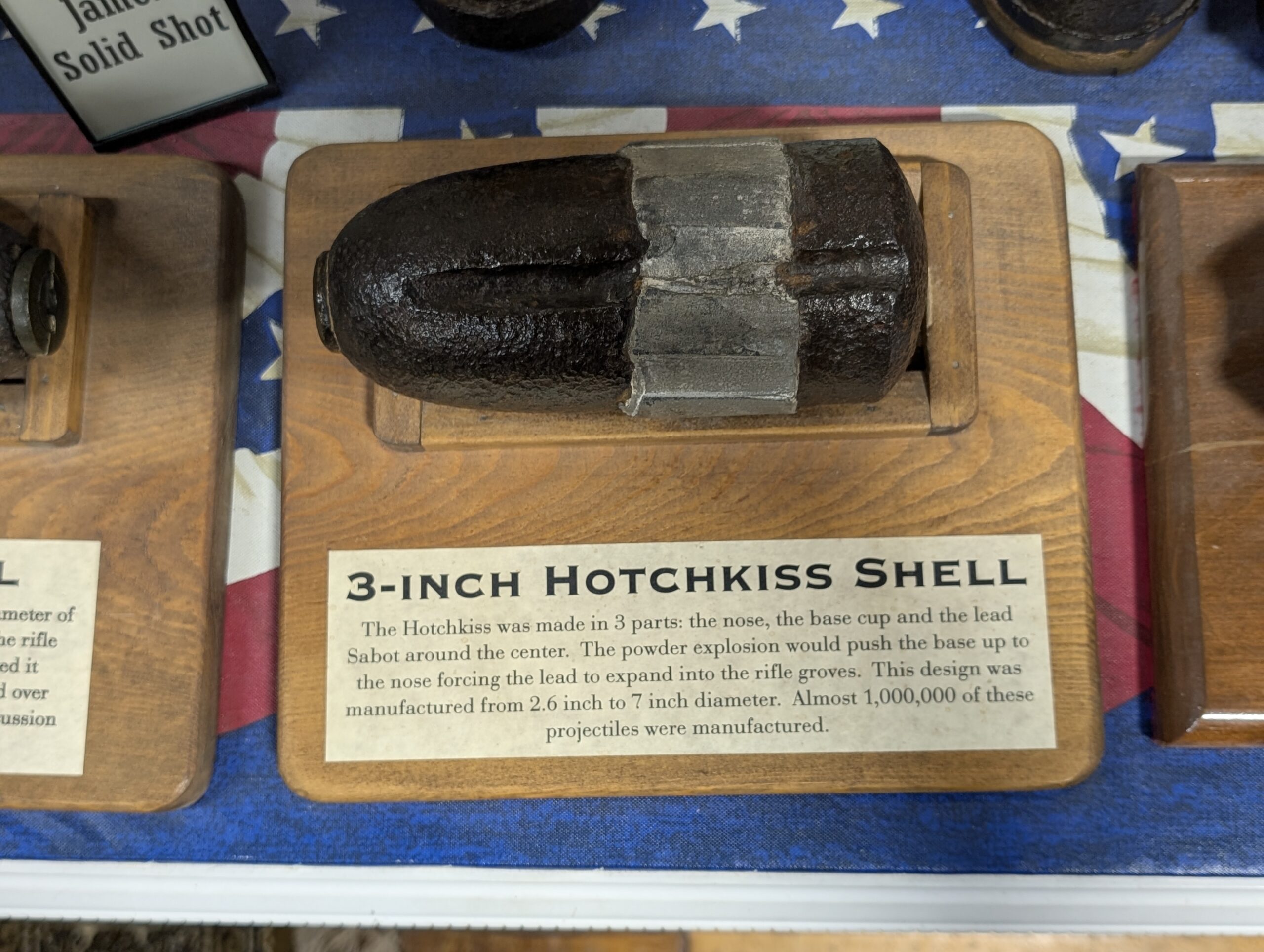
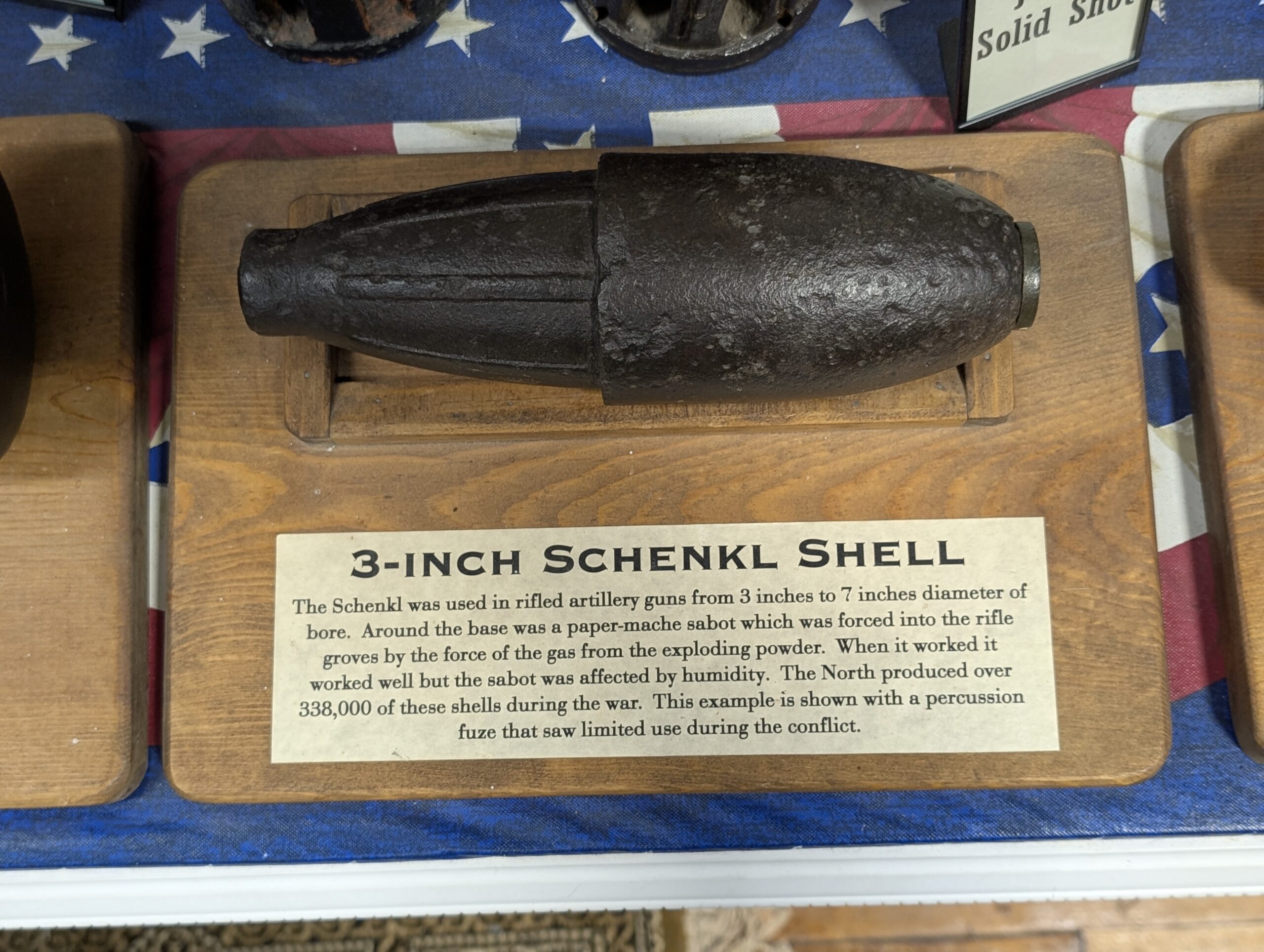
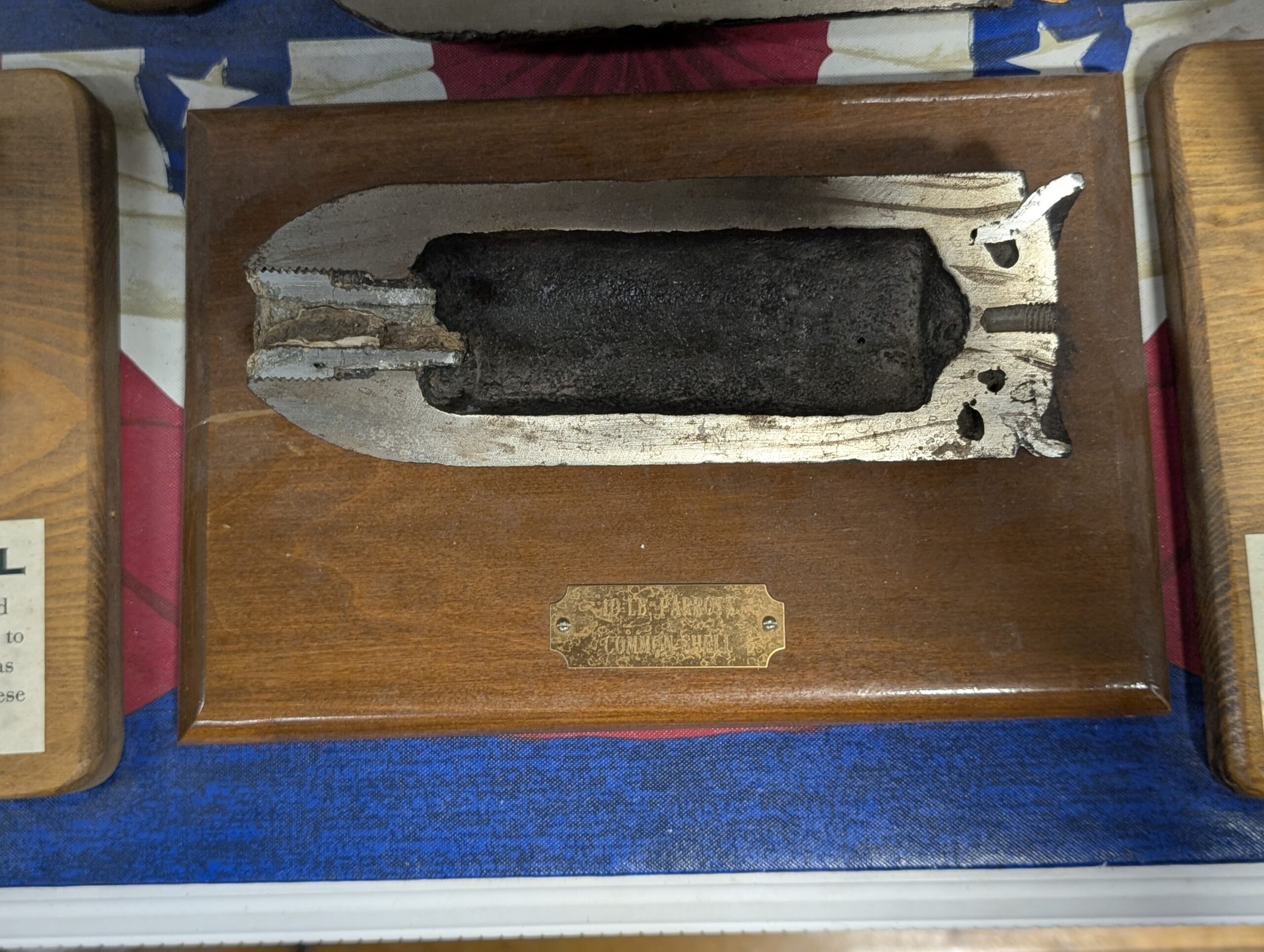
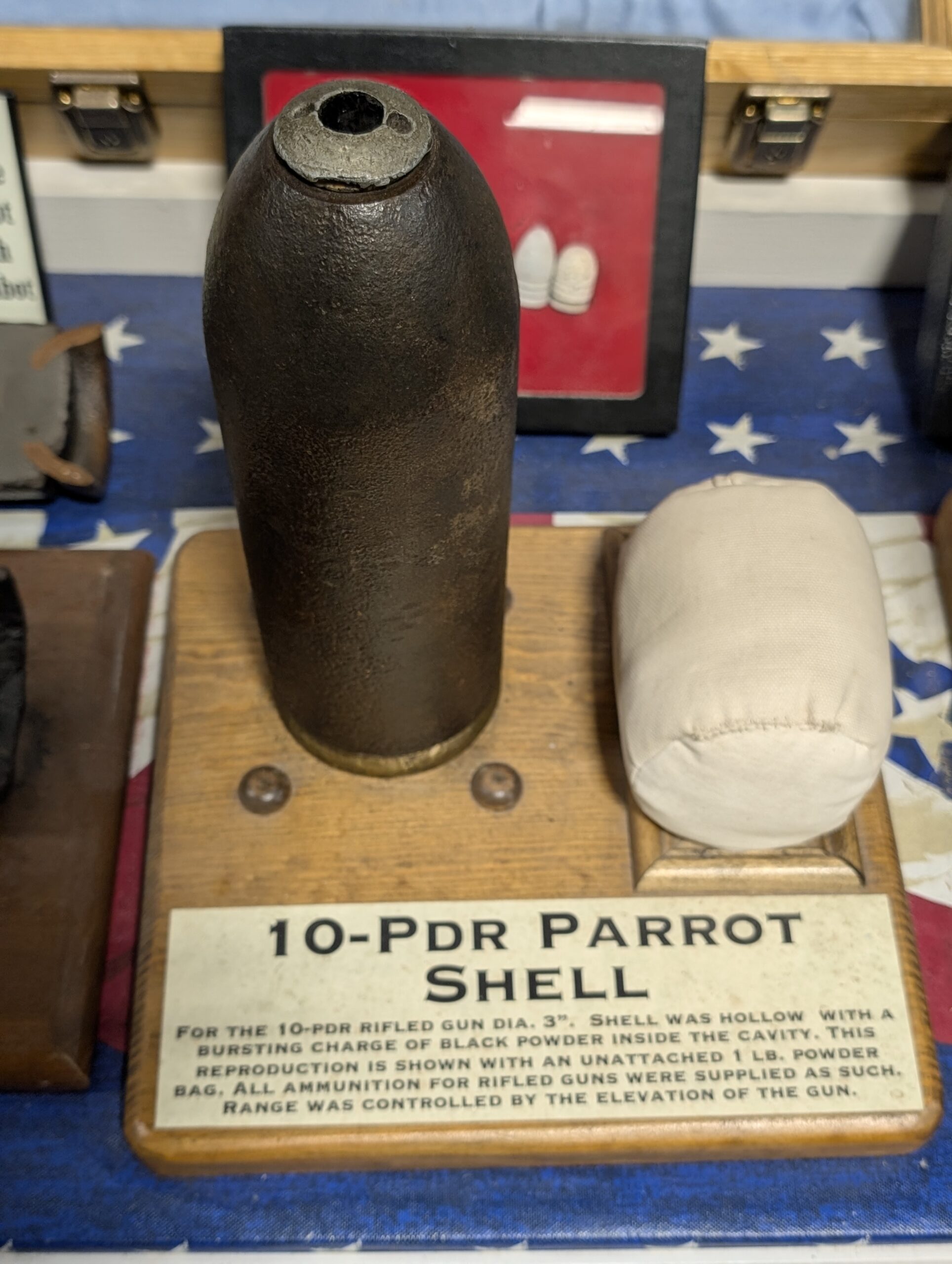
The introduction of rifled cannons, such as the Parrott Rifle and the 3-inch Ordnance Rifle, offered greater range and accuracy than their smoothbore counterparts. This required the development of new projectiles that could engage the barrel’s rifling to induce a stabilizing spin. The Hotchkiss shell used an expanding lead sabot, while the Schenkl shell utilized a paper-mache sabot. The Parrott shell, identified by its distinctive wrought iron reinforcing band at the base, was one of the most common projectiles of the war. This technological race led to a remarkable diversity of ammunition, each with a specific design to maximize its lethal effectiveness.
The Human Cost of Firepower
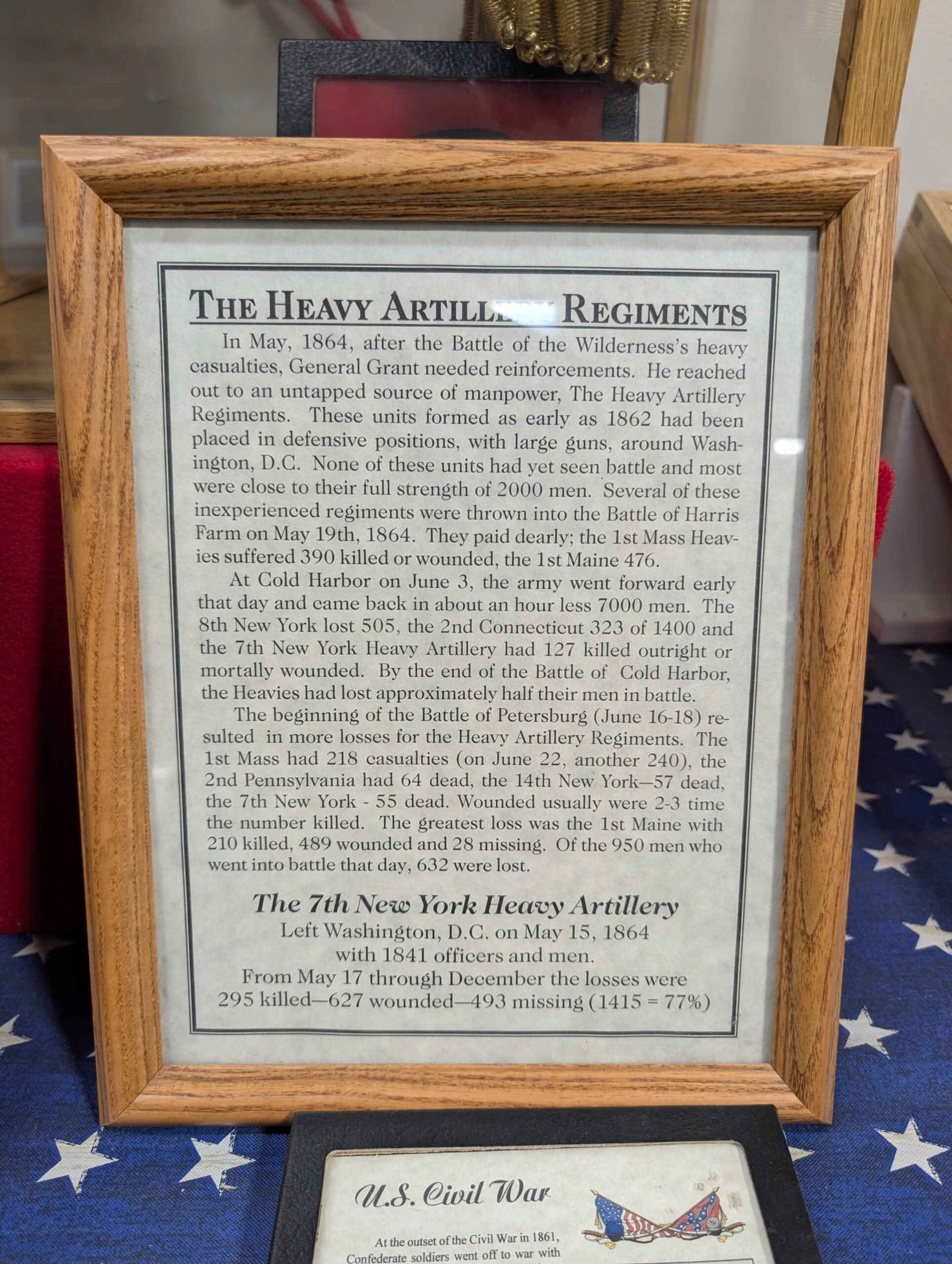
The increasing sophistication and power of artillery came at a terrible price. As documented, the Heavy Artillery Regiments originally intended for garrison duty were deployed as infantry reinforcements for General Grant in 1864. Unaccustomed to infantry tactics but massive in number, they were thrown into some of the war’s bloodiest engagements, such as Cold Harbor and Petersburg, and suffered casualty rates that were among the highest of the war.
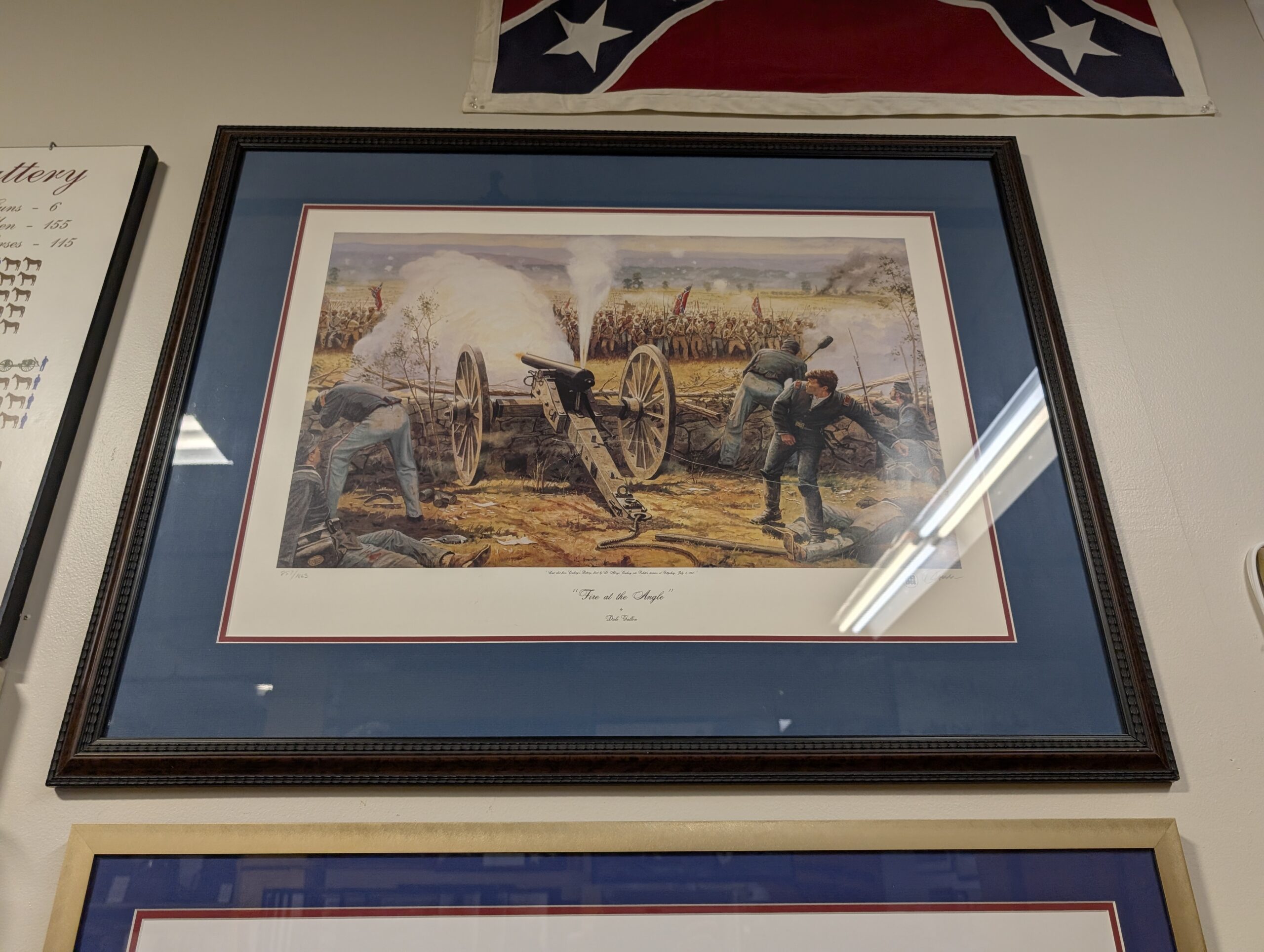
On the battlefield, artillery crews faced not only enemy fire but also desperate infantry charges. At the Battle of Gettysburg on July 3, 1863, Union cannoneers defending the stone wall at ‘the Angle’ were instrumental in repelling the Confederate assault known as Pickett’s Charge. As depicted in the artwork ‘Fire at the Angle,’ they fought their guns to the last, firing double loads of canister into the faces of the advancing infantry, a stark testament to the brutal, close-quarters reality of artillery combat.
From the precise science of the gunner’s quadrant and firing tables to the raw brutality of a canister blast, the artillery of the American Civil War represents a crucial pivot point in military history. The vast array of projectiles, equipment, and organizational tactics developed during this period laid the groundwork for the modern battlefield, forever cementing artillery’s role as its undisputed king.
Further Equipment & Ammunition Variations
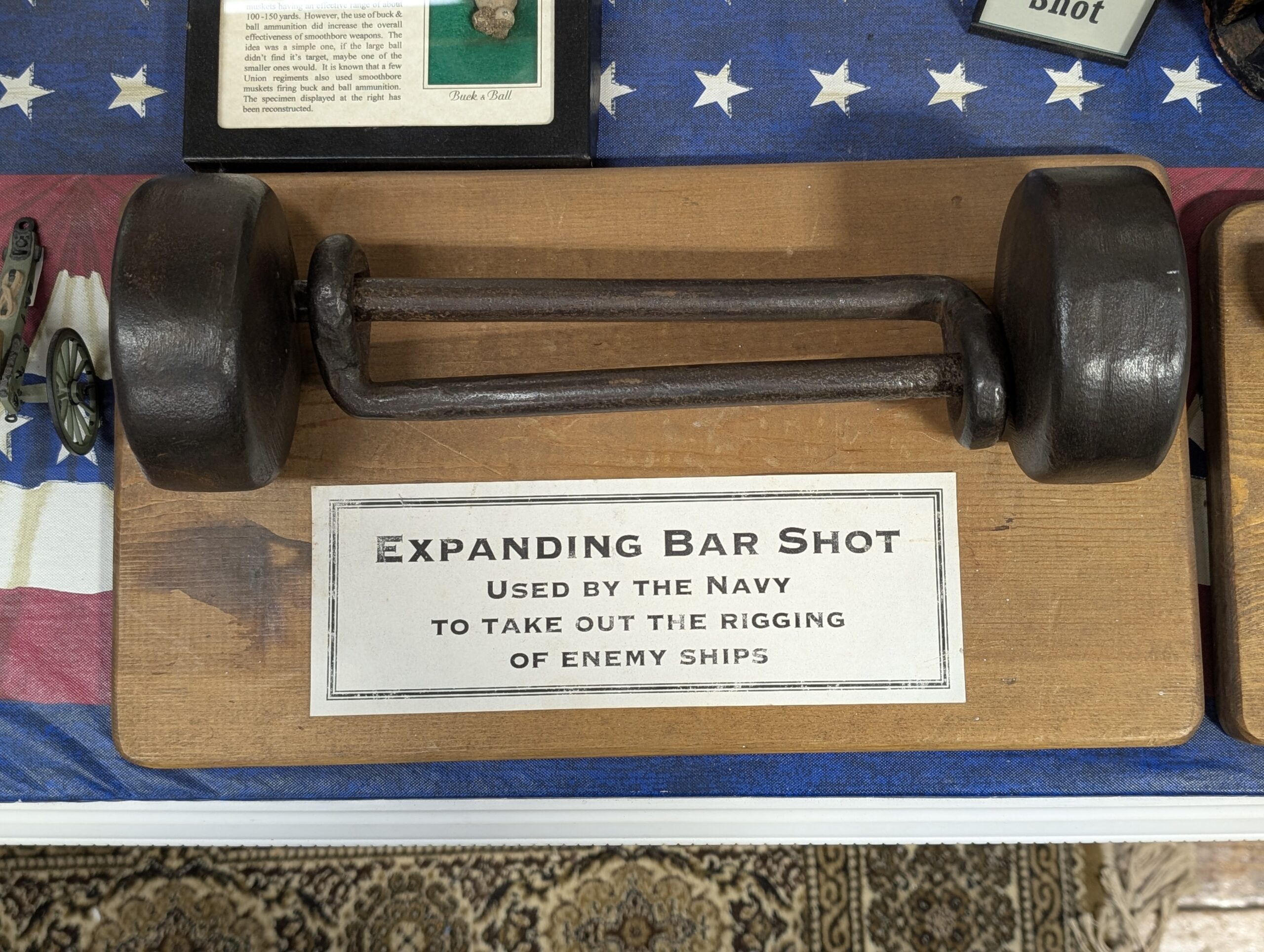
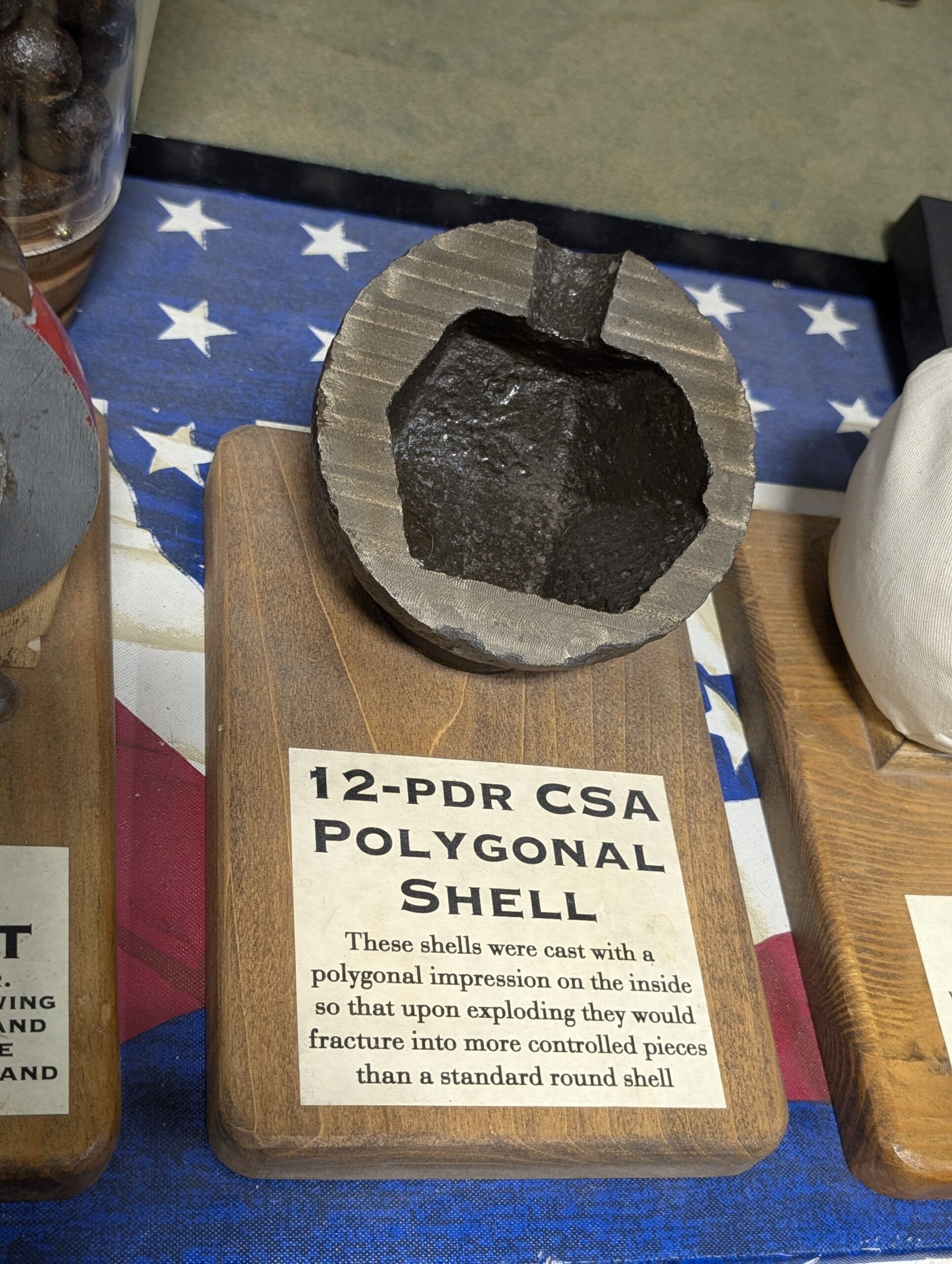
The vast scale of the conflict meant that individual units often utilized whatever equipment they could source. The artifacts below represent additional variations in specialized gear, uniform components, and structural shell designs deployed across various theaters of the war.
Supporting the Batteries
In addition to the ammunition itself, a massive logistical network was required to keep the guns firing. Limbers, caissons, and the horses required to pull them formed the lifeline of any field battery, making the tools of farriers and harness makers just as vital as the cannons.